How Modern Infrastructure Affects Urban River Flow and Health

Ryan Pierce
November 15, 2024
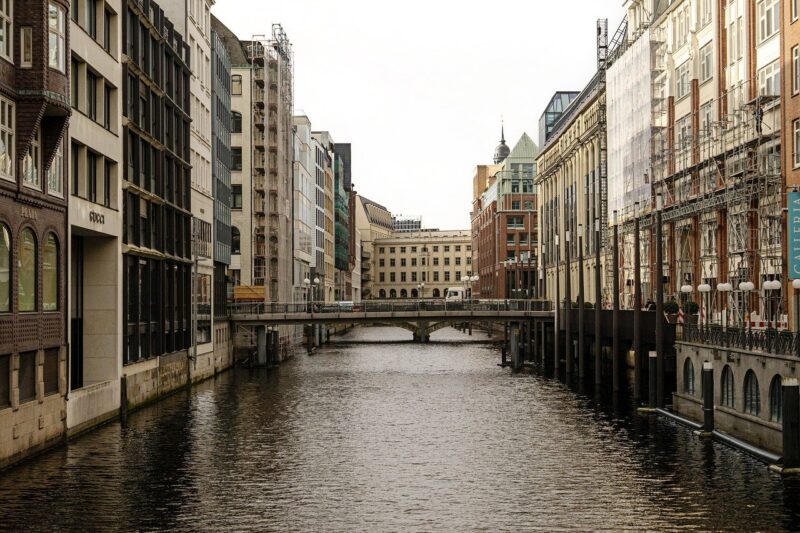
Urban rivers have long been integral to the development of cities, serving as sources of water, routes for transport, and aesthetically pleasing landscapes. However, the rapid growth of urbanization and the accompanying infrastructural developments present significant challenges to the natural flow and overall health of these vital waterways. This article delves into how modern infrastructure affects urban river flow and health, covering various elements such as stormwater management, dam construction, pollution, and habitat restoration initiatives.
1. The Role of Urban Infrastructure in River Dynamics
Urban infrastructure encompasses roads, buildings, bridges, and other human-made structures that shape the environment in cities. As urban populations grow, the demand for infrastructure increases, leading to an extensive alteration of river landscapes. When we discuss the role of infrastructure in river dynamics, several aspects come into play:
- Impervious Surfaces: Urbanization creates numerous impervious surfaces such as asphalt streets and concrete buildings that prevent water from being absorbed into the ground. This increases surface runoff, which leads to more significant and faster flows in urban rivers, potentially causing flooding and erosion downstream.
- Alteration of Natural Flows: The construction of dams and levees can alter the natural flow of rivers. While these structures can provide flood control, they often disrupt the natural ebb and flow, affecting both aquatic life and sediment transport.
- Sewage and Stormwater Systems: Many urban areas rely on combined sewer systems that collect both sewage and stormwater. Heavy rainfall can overwhelm these systems, leading to sewage overflows, which contaminate urban rivers and negatively impact water quality.
The interaction between urban infrastructure and river dynamics can lead to significant shifts in the health of aquatic ecosystems, making it imperative for city planners and environmentalists to collaborate on effective solutions.
2. Stormwater Management and Its Impact
Stormwater management is a critical component of urban infrastructure that directly affects river health. With increased impervious surfaces, urban areas tend to accumulate stormwater, leading to numerous challenges:
- Increased Runoff Volume: Cities with poor stormwater management systems experience rapid runoff after rain events, resulting in higher river flows. This sudden surge can erode riverbanks and transport pollutants into waterways, degrading the quality of river habitats.
- Pollution Concentration: The runoff often collects pollutants such as oils, pesticides, and heavy metals from urban surfaces. As this contaminated water enters rivers, it poses risks to aquatic life and human health, contributing to the overall decline in river health.
- Flooding Risks: The inability to manage stormwater can lead to localized flooding, affecting both infrastructure and surrounding communities. These floods can damage habitats, displace wildlife, and negatively impact public health and safety.
To address these issues, cities are increasingly adopting sustainable stormwater management practices such as green roofs, permeable pavements, and rain gardens, which help mitigate runoff and improve river health.
3. The Influence of Dams and River Modifications
Damming rivers has significant implications for water flow and ecosystem health. While dams provide benefits like flood control and hydropower, they also come with a range of adverse effects:
- Altered Natural Flow Regimes: Dams disrupt the seasonal patterns of river flow that many aquatic species depend on for breeding and survival. This alteration can lead to declines in fish populations and the overall biodiversity of river ecosystems.
- Sediment Trapping: Dams trap sediments that would typically nourish downstream ecosystems. The lack of sediment can lead to erosion of riverbanks and a loss of habitats for various plant and animal species.
- Increased Water Temperature: Water released from reservoirs can be warmer than natural river water, affecting the habitat suitability for cold-water fish species and disrupting local ecosystems.
Mitigating these impacts requires thoughtful river management strategies, including fish ladders, sediment management practices, and considering removal or modification of outdated dams.
4. Pollution and the Urban River Crisis
The health of urban rivers is critically compromised by pollution, which stems from diverse sources:
- Industrial Discharge: Factories and industries near rivers can contribute toxic pollutants directly into the water, impacting the flora and fauna reliant on these ecosystems. The presence of heavy metals and chemicals can lead to long-term ecological damage and public health concerns.
- Urban Runoff: As discussed previously, urban runoff during rainstorms carries significant pollutants from streets and urban surfaces, leading to decreased water quality in urban rivers. This pollution often results in harmful algal blooms that can deter recreational use and harm aquatic life.
- Agricultural Runoff: Nutrients such as nitrogen and phosphorus from nearby agricultural lands wash into rivers, causing nutrient pollution that leads to eutrophication, a process that diminishes oxygen levels and produces dead zones where aquatic life cannot thrive.
Addressing pollution requires robust regulatory frameworks and community engagement to foster better practices among industries, residents, and agricultural operators. Engaging in regular water quality monitoring and implementing source control measures can greatly enhance urban river health.
5. Restoration Efforts and Urban River Health
Despite the negative impacts of urban infrastructure, there are increasing efforts to restore urban rivers and enhance their health:
- Riparian Corridor Restoration: Restoring natural vegetation along riverbanks helps stabilize the bank, reduces erosion, and improves habitat for wildlife. Additionally, these corridors can filter pollutants from runoff before entering the river, improving water quality.
- Green Infrastructure Initiatives: Cities are investing in green infrastructure solutions that integrate natural systems into urban design. Examples include bioswales and rain gardens that capture and treat stormwater, which ultimately benefits urban rivers by reducing runoff volume and improving water quality.
- Public Engagement and Awareness: Community involvement plays a crucial role in river restoration efforts. Educating residents about their local waterways can foster a sense of stewardship and inspire actions to protect and enhance river ecosystems through cleanups, tree plantings, and advocacy for better policies.
By prioritizing restoration efforts, cities can effectively mitigate the adverse impacts of modern infrastructure and promote healthier urban rivers for future generations.
Conclusion
Modern infrastructure presents both challenges and opportunities for urban river health. By understanding how urban development alters river dynamics, implementing sustainable stormwater management practices, mitigating pollution, and engaging in effective restoration efforts, we can strike a balance between urban growth and the preservation of our vital waterways. A collaborative approach involving urban planners, engineers, environmentalists, and local communities is essential in creating cities that coexist harmoniously with nature.
Taking proactive steps will ensure that urban rivers remain not only functional assets for our cities but also healthy ecosystems that support biodiversity and improve the quality of life for all urban residents.