How High Altitude Affects Pilots and the Unique Challenges They Face

Ryan Pierce
November 11, 2024
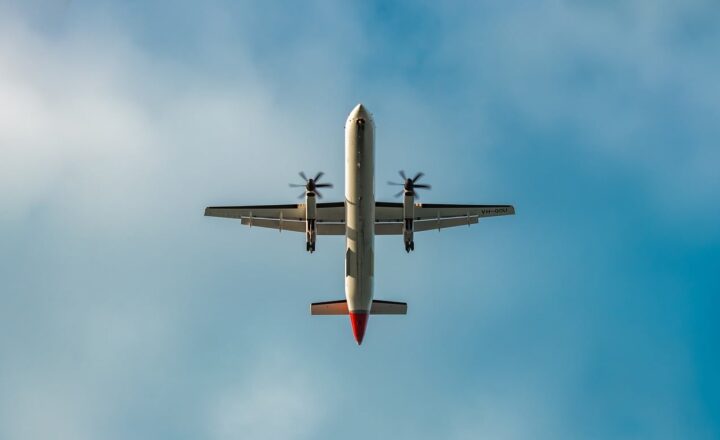
Flying at high altitudes is an integral part of aviation, but it comes with a set of unique challenges that pilots must navigate. As they ascend to levels higher than most of us will ever experience, they encounter changes to the environment that can affect their health, performance, and decision-making abilities. In this article, we will explore the physiological effects of high altitude on pilots, the risks involved, and the strategies they employ to manage these challenges effectively.
1. Understanding High Altitude
High altitude is generally defined as an elevation between 8,000 and 12,000 feet above sea level. This region is characterized by lower atmospheric pressure and reduced levels of oxygen available for respiration. As pilots ascend to higher altitudes, they must acclimatize to these conditions, which can significantly impact their physiological and cognitive functions.
One of the most critical concepts to understand is the impact of pressure on human physiology. Low pressure leads to lower partial oxygen pressure, meaning that the oxygen available for the body to absorb decreases. Better understanding these factors is vital for enhancing pilot safety and efficiency.
2. Physiological Effects of High Altitude
As pilots operate at high altitudes, they may experience several physiological effects, including:
- Hypoxia: A condition where the body does not get enough oxygen. At high altitudes, pilots may experience symptoms such as confusion, shortness of breath, and impaired cognitive functions. The severity increases with altitude, with significant effects often felt above 10,000 feet.
- Dehydration: Low humidity and increased respiratory rates can quickly lead to dehydration. This can cause fatigue and impair both physical and mental performance.
- Altitude Sickness: Acute Mountain Sickness (AMS) occurs when pilots ascend too quickly to high altitudes. It can lead to headaches, nausea, and general malaise. In severe cases, it can escalate to High Altitude Pulmonary Edema (HAPE) or High Altitude Cerebral Edema (HACE).
- Inner Ear Barotrauma: Changes in pressure during ascent can affect the inner ear, leading to discomfort or incapacitating conditions that can further impair pilots’ focus and capability.
Understanding these potential physiological challenges is crucial for maintaining safety in high-altitude operations.
3. Cognitive Impairments
Cognitive performance can decline due to the effects of high altitude, impacting a pilot’s ability to make sound judgments and operate aircraft effectively. Studies have demonstrated that higher altitudes correlate with reduced performance on tasks that require attention, decision-making, and reaction times.
Factors such as fatigue, hypoxia, and dehydration can compromise cognitive function, leading to:
- Poor Decision-Making: Under high altitude conditions, the ability to make quick judgments can be impaired, increasing the likelihood of errors during flight.
- Reaction Time Delays: Slowed response times to critical events can affect a pilot’s ability to operate under pressure.
- Situational Awareness Loss: Pilots may experience diminished situational awareness, making them less able to perceive, comprehend, and predict vital information relevant to flight safety.
These cognitive impairments underscore the importance of altitude training and preparation for pilots aiming to operate in various environments.
4. Managing High Altitude Risks
To counteract the numerous challenges associated with high altitude, pilots employ various strategies to enhance their performance and ensure safety:
- Pre-Flight Preparation: Adequate pre-flight education and pre-flight routines can help pilots monitor their fitness levels, hydration status, and overall readiness to fly at high altitudes.
- Aeromedical Training: Pilots undergo training that educates them about the effects of altitude on the body and mind, ensuring they understand the signs of hypoxia and can take appropriate actions.
- Use of Supplemental Oxygen: Pilots can employ supplemental oxygen systems during flights exceeding 12,000 feet, ensuring that they maintain adequate levels of oxygen to prevent hypoxia and related complications.
- Slow Ascent Rates: Gradual ascent allows for better acclimatization, minimizing risks associated with altitude sickness.
- Drink Plenty of Water: Staying hydrated helps mitigate the effects of altitude-related dehydration.
By addressing these challenges head-on, pilots can maintain higher levels of performance.
5. Technological Advances and Their Role
The aviation industry is continually evolving, with technological innovations aimed at enhancing pilot performance and safety. Aircraft are increasingly equipped with pressure-oxygen systems that provide supplemental oxygen and improved cabin pressurization, minimizing the effects of altitude:
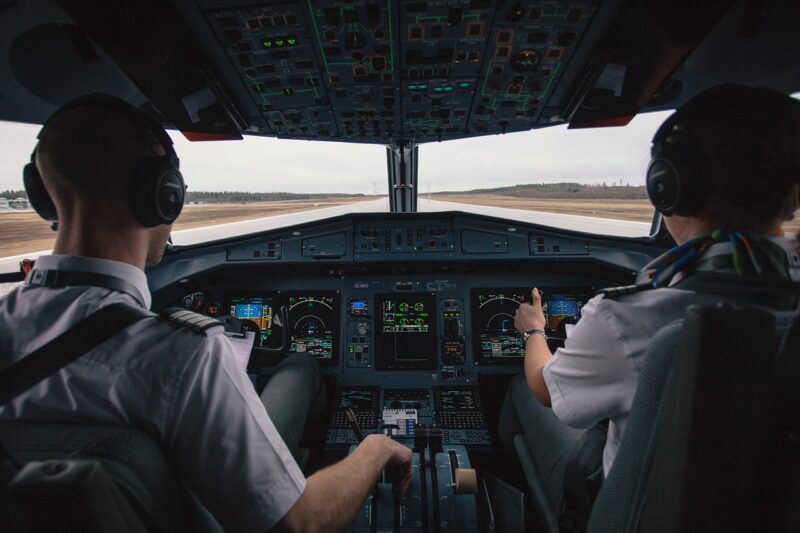
- Advanced Cockpit Displays: Modern cockpits feature advanced displays that offer real-time data on altitude and cabin pressure, helping pilots make informed decisions.
- Automated Systems: Automation in flight systems assists pilots in managing their workload, allowing for greater focus on situational awareness and decision-making.
- Better Pilot Training Programs: Enhanced training programs use simulators to expose pilots to high altitude conditions without the risks associated with actual flight, helping them develop the skills necessary to adapt to these challenging environments.
Technological advancements are pivotal in combating the challenges that altitude presents to pilots, helping them perform effectively and safely.
6. Conclusion
In conclusion, high altitude presents a unique set of challenges for pilots, affecting both their physiological and cognitive functions. Understanding these challenges is critical for pilot safety and performance. Through proper training, preparation, and the use of modern technology, pilots can effectively manage these challenges, ensuring safe flight operations amidst the complexities of high-altitude aviation. As the industry advances, ongoing research and improvements will likely continue to provide pilots with the tools they need to excel in even the most demanding flying environments.
Whether you’re a seasoned aviator or new to flying, the lessons learned about high altitude and its effects on pilots play a vital role in ensuring safety and optimizing performance in the skies.