How Electric Cars Handle Winter Driving: Tips for Maximizing Performance in Cold Weather

Explorix Team
October 25, 2024
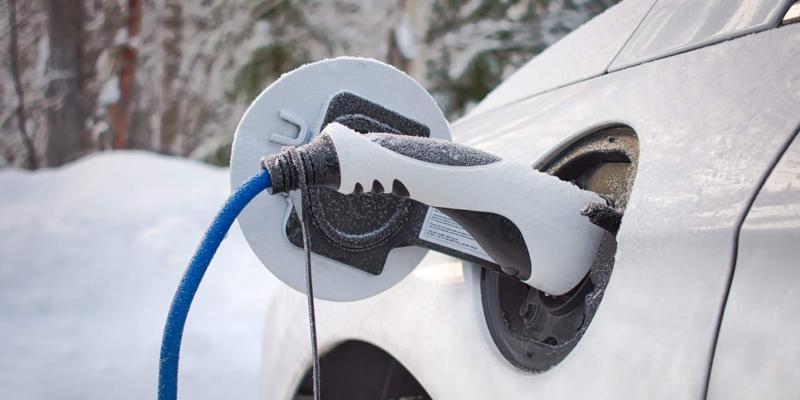
Winter can pose unique challenges for electric vehicles (EVs), as cold weather can impact battery performance, range, and overall driving comfort. However, with proper preparation and knowledge, you can ensure that your electric car performs well in cold temperatures, keeping you safe and comfortable throughout the winter months.
In this article, we’ll explore how electric cars handle winter driving, the specific challenges EV owners face, and provide tips for maximizing performance and efficiency in cold weather.
1. The Impact of Cold Weather on EV Batteries
Cold weather can reduce the efficiency of electric vehicle batteries, as lower temperatures slow down the chemical reactions that generate electricity. This results in reduced driving range, longer charging times, and decreased overall battery performance.
Why It Happens: Most EV batteries use lithium-ion technology, which is sensitive to temperature fluctuations. In freezing temperatures, the battery’s ability to store and discharge energy is reduced, leading to a drop in range—sometimes by as much as 20-40%.
Why It Matters: Knowing that your EV’s range may decrease in cold weather allows you to plan your trips accordingly and take steps to mitigate these effects.
2. Preconditioning Your Battery for Optimal Performance
One of the best ways to improve your EV’s performance in cold weather is by preconditioning the battery before driving. Preconditioning warms the battery and the cabin before you start your journey, ensuring that the car is operating at optimal efficiency from the moment you hit the road.
How to Precondition: Most modern EVs allow you to set a departure time and precondition the car using the vehicle’s app or infotainment system. By doing this while the car is still plugged in, you can heat the battery and cabin without using up valuable driving range.
Why It Matters: Preconditioning can significantly reduce range loss caused by cold weather and ensure that your battery is ready for the demands of winter driving.
3. Use Heated Seats and Steering Wheel Instead of Cabin Heat
Electric vehicles are highly efficient, but cabin heating can quickly drain the battery, as it requires a significant amount of energy to warm the entire cabin. To conserve battery power, it’s more efficient to use heated seats and the heated steering wheel (if available) to stay warm while driving.
Why It Works: Heating just the seats and steering wheel requires less energy than heating the entire cabin. By using these features, you can stay comfortable without significantly impacting your driving range.
4. Monitor Tire Pressure Regularly
Cold weather causes tire pressure to drop, which can lead to reduced traction and decreased efficiency. Properly inflated tires are essential for both safety and maximizing your EV’s range during winter driving.
Why It Matters: Low tire pressure can increase rolling resistance, reducing your car’s efficiency and driving range. By regularly checking and maintaining tire pressure, you can ensure optimal performance in cold weather.
5. Plan Charging Stops Strategically
During winter, your EV may take longer to charge, especially if the battery is cold. Planning your charging stops in advance and considering the impact of cold weather on range is crucial for long road trips.
Why It Matters: Cold weather can extend charging times, particularly if you arrive at a charging station with a cold battery. Fast chargers may not deliver peak power when the battery is cold, so allowing extra time for charging is essential when planning long journeys.
6. Drive Conservatively to Preserve Range
Aggressive driving, such as rapid acceleration or high speeds, can drain your battery faster, especially in cold weather. By adopting a more conservative driving style, you can help extend your EV’s range and improve overall efficiency.
Tips for Winter Driving:
- Avoid hard acceleration and braking
- Maintain steady speeds, particularly on highways
- Use regenerative braking to recover energy when slowing down
Why It Matters: Driving conservatively can help mitigate the range loss caused by cold weather, allowing you to get more miles out of each charge.
7. Use Eco Mode for Enhanced Efficiency
Most electric vehicles come equipped with an eco mode that optimizes the car’s settings for maximum efficiency. In eco mode, the vehicle limits power output, reduces the use of cabin heating, and enhances regenerative braking.
Why It Works: By activating eco mode during winter driving, you can reduce unnecessary energy consumption and maximize your vehicle’s range in cold weather conditions.
8. Winter Tires for Better Traction and Safety
Winter tires are specifically designed to provide better traction on icy and snowy roads. Unlike all-season tires, winter tires remain flexible in freezing temperatures, offering better grip and control in slippery conditions.
Why It Matters: Equipping your EV with winter tires improves handling and safety during winter driving, ensuring that your vehicle performs well in challenging weather conditions.
9. Plan for Extra Time on Long Road Trips
Winter weather, combined with reduced battery performance, means that long road trips may take longer in an electric vehicle. Be prepared for slower charging times and potentially reduced range by allowing extra time for your journey.
Why It Matters: Planning ahead and factoring in additional time for charging and slower driving conditions will help ensure that your winter road trips in an EV are smooth and stress-free.
10. Take Advantage of Regenerative Braking
Regenerative braking is an essential feature of electric vehicles, allowing you to recover energy that would otherwise be lost during braking. In winter conditions, regenerative braking can help maintain efficiency, particularly when driving in stop-and-go traffic or on downhill slopes.
Why It Works: Using regenerative braking helps extend your EV’s range by converting kinetic energy back into battery power, which is particularly useful in cold weather when every bit of range counts.
Conclusion
Winter driving can be challenging for electric vehicles, but with the right strategies and preparations, you can maximize performance and efficiency even in cold weather. From preconditioning your battery to using heated seats and winter tires, these tips will help you get the most out of your EV during the winter months.
As battery technology continues to improve and more EVs are designed with winter driving in mind, electric vehicles are becoming more capable of handling the challenges of cold weather. By following these tips, you can enjoy a smooth and comfortable winter driving experience in your electric vehicle.