How Airplane Pilots Handle Mid-Air Emergencies and What Passengers Should Know

Mia Jensen
November 11, 2024
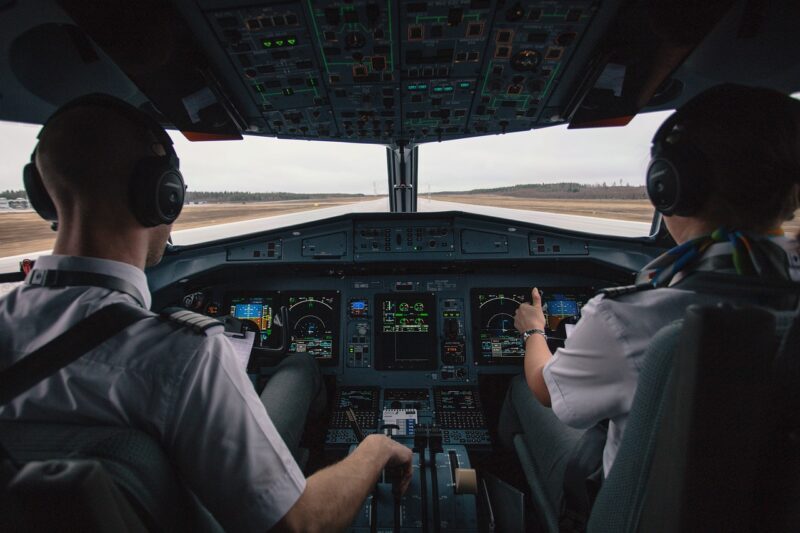
Flying is an incredible adventure that allows millions to traverse vast distances in mere hours. However, like any mode of transportation, flying comes with its risks. While the low incidence of mid-air emergencies contributes to the perception of safety in aviation, understanding how pilots address these situations can help alleviate fears and increase passenger confidence. In this detailed examination, we’ll unpack the protocols, training, and responses that pilots undergo to manage mid-air emergencies and what every passenger should be aware of for their safety.
1. Understanding Mid-Air Emergencies
Mid-air emergencies can range from mechanical failures and adverse weather conditions to medical emergencies among passengers. Recognizing these scenarios can help demystify the challenges pilots might face:
- Mechanical Failures: This category includes issues such as engine failure, failure of control systems, or malfunction of cabin pressurization. Modern aircraft are generally built with redundancy systems, meaning they have backup systems in place to handle failures safely.
- Weather-Related Emergencies: Pilots must navigate challenging weather conditions, including turbulence, thunderstorms, and icing conditions. They are trained to use on-board radar and air traffic control resources to navigate around severe weather safely.
- Medical Emergencies: Passengers may experience medical issues during flight, ranging from heart attacks to allergic reactions. Pilots must act swiftly to communicate with medical professionals and find the nearest airport for a potential emergency landing.
Understanding the varied nature of mid-air emergencies is crucial to appreciating the pilots’ ability to respond effectively.
2. Training for Emergencies: The Pilot’s Preparation
Pilots undergo extensive training before they ever step foot in a cockpit. Besides their core training, they have specialized training in emergency procedures, which includes:
- Simulator Training: Pilots spend a significant amount of time in flight simulators that can replicate various emergency scenarios—from engine failure to severe turbulence—allowing them to practice their responses without real-world consequences.
- Crew Resource Management (CRM): CRM training focuses on improving communication and teamwork among flight crews during emergencies, emphasizing that effective communication can better manage time, resources, and decisions under pressure.
- Regulation Compliance: Pilots must stay updated with Safety Management Systems and regulations dictated by aviation authorities like the FAA (Federal Aviation Administration). These protocols outline comprehensive response strategies for managing emergencies effectively.
Training is an ongoing process; pilots routinely train to refresh and enhance their skills even after they have obtained their licenses.
3. Determining the Course of Action: Decision-Making in the Cockpit
In the event of an emergency, pilots must make quick and informed decisions to ensure the safety of everyone on board.
- Assessment of the Situation: The first step involves identifying and assessing the nature of the emergency. Can the issue be resolved with current systems? Is it an immediate threat to safety?
- Communication with Air Traffic Control (ATC): Pilots maintain constant communication with ATC, reporting the situation and receiving guidance. ATC is trained to assist in emergencies and can direct pilots to the nearest airports for emergency landings.
- Crew Coordination: Pilots must collaborate with their co-pilots and cabin crew to manage the situation effectively. Clear division of responsibilities is critical during a crisis to ensure all essential protocols are followed without confusion.
- Landing Protocols: If a landing becomes necessary, pilots evaluate the nearest available airports and initiate descent protocols, ensuring preparedness for any emergency measures required during landing.
The pilots’ ability to remain calm under pressure and execute emergency protocols often saves lives.
4. Passengers: What You Should Know
As a passenger, knowing what to expect can help ease anxiety in the rare event of an emergency:
- Stay Calm: Panic is detrimental during emergencies. Listen to the crew’s instructions and remain seated with your seatbelt fastened until the situation is resolved or advised otherwise.
- Understand Safety Procedures: familiar yourself with safety cards in the seat pocket, including emergency exits. While uncommon, knowing your nearest exit can be invaluable in a crisis.
- Follow Crew Instructions: Cabin crew members are trained professionals who will guide you through emergencies. They know the protocols and will ensure your safety.
- Report Medical Issues Promptly: If you or a fellow passenger is experiencing a medical emergency, notify the cabin crew immediately to ensure appropriate action is taken promptly.
Your understanding and cooperation can assist the crew in managing difficult situations more effectively.
5. The Role of Technology in Enhancing Safety
Advancements in aviation technology have significantly bolstered pilot capabilities during emergencies:
- Aircraft Monitoring Systems: Modern aircraft are equipped with real-time monitoring systems that provide pilots with crucial data. This allows for early detection of mechanical issues, enabling proactive measures before they escalate into emergencies.
- In-flight Communication Technology: Advanced communication systems like satellite phones allow pilots to maintain contact with ground control, which is particularly helpful during critical situations over remote areas.
- Automated Systems: Many emergency situations can activate automated safety systems to stabilize the aircraft, giving pilots more time to manage the situation without excessive demands on their focus.
The continuous evolution of technology aims to mitigate risks associated with aviation, enhancing the overall safety of air travel.
Conclusion: Safety Through Preparedness
Mid-air emergencies, while rare, can happen. The rigorous training of pilots, clear protocols, and understanding of passenger roles combine to create a robust safety system in the aviation industry. Knowledge empowers passengers to remain calm and responsive during emergencies, while trust in pilots and crew reassures everyone on board that their safety is the top priority.
So, the next time you board a flight, you can take comfort in knowing that skilled pilots are prepared to handle nearly any situation with professionalism and efficiency. Be aware, stay calm, and trust the process—flying remains one of the safest ways to travel!