From Tanks to Tractors: How Military Vehicles Found New Uses in Peacetime

Mia Jensen
November 11, 2024
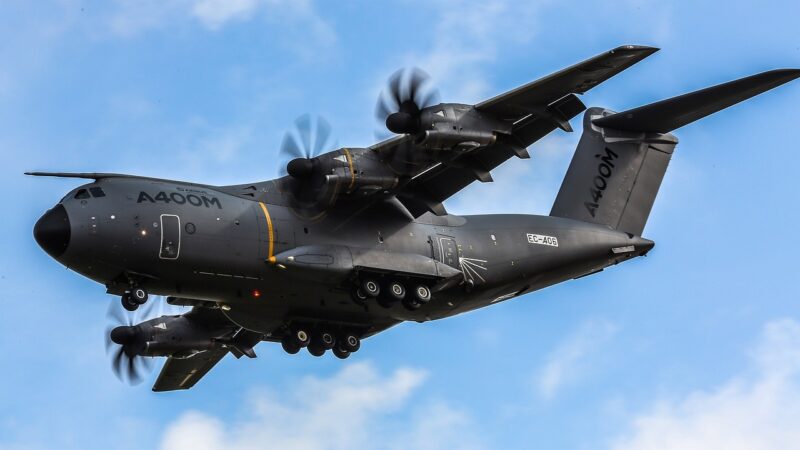
Military vehicles are often associated with warfare, destruction, and high-stakes combat scenarios. Yet, once the dust settles and peace is restored, many of these formidable machines undergo transformations that allow them to serve civilian purposes. This shift not only repurposes valuable resources but also facilitates technological advancements that benefit society as a whole. In this article, we explore how tanks, armored vehicles, and other military hardware have found new lives as tractors, transport vehicles, and even tools for ecological restoration.
1. The Need for Repurposing Military Vehicles
The end of hostilities often leaves nations with surplus military vehicles that require repurposing or disposal. The costs of maintaining these vehicles can be astronomical, and the environmental impact of simply scrapping them can be significant. By finding new uses for these vehicles, governments can effectively reduce waste and recoup some of their investments.
Moreover, adapting military technology for civilian purposes can lead to innovations that enhance efficiency and safety in various industries. The transition of military vehicles into civilian roles speaks volumes about resourcefulness and ingenuity, especially in contexts where agricultural and infrastructure demands are high.
2. Tanks as Tractors: A Case Study
During World War I, tanks were originally designed for frontline combat. However, during the interwar years, several countries discovered that these robust machines could be modified for agricultural use. Let’s explore how this transformation occurs:
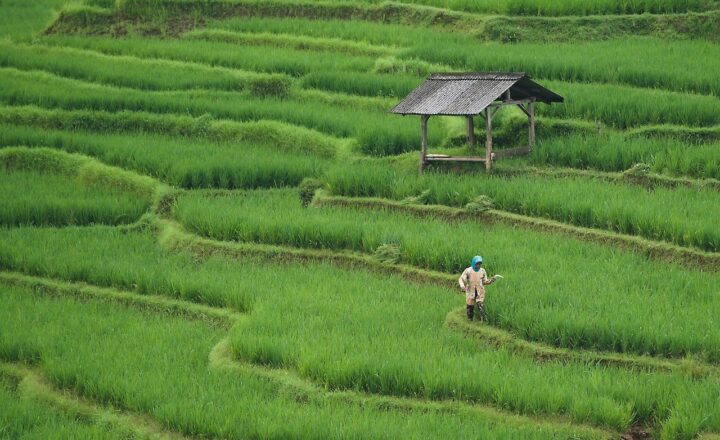
- Iconic Modifications: Tanks can be outfitted with customized plows, seeders, and harvesters. The high torque and traction that tanks possess allow them to navigate rugged terrains where conventional tractors may falter.
- Diverse Applications: Beyond agriculture, repurposed tanks have found roles in construction and land reclamation projects, transforming devastated areas into workable landscapes.
- Sustainability Angle: Utilizing tanks for agricultural work mitigates the need for new machinery, addressing sustainability in farming practices while minimizing environmental waste.
There are accounts of tanks being used as heavy plowing machines on farms, with farmer-operators gaining robust results from the vehicles’ power and reliability.
3. Armored Personnel Carriers as School Buses
In areas experiencing sporadic violence, repurposed military vehicles have become novel solutions for school transportation. With their robust design and protection features, armored personnel carriers (APCs) have been adapted to serve as safe school buses in conflict-prone regions.
- Safety First: APCs provide enhanced safety, allowing for secure transportation of children to and from school, particularly in areas where threats may exist. The bulletproof structures ensure students remain safe while traveling.
- Community Engagement: Such transformations bridge connections between military and civil sectors. Local military units often engage with communities to discuss how these vehicles can serve immediate needs.
- Guardians of Learning: In many countries, this repurposing effort is not just about vehicles but a symbol of a commitment to education and public service in the aftermath of conflict.
These changes do not just aim to utilize surplus military technology; they address urgent social needs while promoting safety and wellbeing.
4. From Battlefield to Biodiversity: Recovery Vehicles
In some cases, military vehicles are used for ecological restoration and recovery efforts in areas affected by disasters or war. Rehabilitating landscapes devastated by violence or environmental disasters deserves serious consideration, and modified vehicles play a crucial role.
- Erosion Control: Modified military vehicles can be used to transport heavy equipment necessary for erosion control. The size and durability of these vehicles provide a significant advantage in challenging terrains.
- Creation of Wildlife Habitats: Many forests and savannahs require intervention to support biodiversity. Articulated military vehicles can navigate difficult ground conditions to support planting efforts for native flora, which – in turn – helps preserve local fauna.
- Infrastructure Projects: When rebuilding communities post-conflict, repurposed vehicles help transport building materials and humanitarian aid to areas that require urgent attention, thus participating in recovery efforts.
Therefore, military vehicles now symbolize reclamation and restoration rather than just war and destruction.
5. The Cultural Shift: Changing Perceptions
As more militarized technologies spill over into civilian sectors, the perception of military hardware begins to shift. Understanding their potential for positive impact encourages innovative thinking and creativity:
- Schools and Educational Programs: Some communities utilize decommissioned military vehicles for educational programs that impart civic responsibility, history, and the importance of sustainability—even hands-on workshops that showcase adapting technology for constructive use.
- Art and Culture: Public art installations featuring military vehicles invite conversations about their historical significance, often transforming views that embrace their role in innovation and community building.
- Reminders of Resilience: Repurposed vehicles inspire narratives of resilience in communities, showing how resources can be utilized constructively after wartime, thus contributing to long-lasting change.
Through these dialogues, society can appreciate both the military’s contributions and evolution into peaceful, constructive avenues.
6. Conclusion: The Future of Repurposed Military Vehicles
The transformation of military vehicles from instruments of war into tools of civilian utility is a compelling narrative of adaptation, resilience, and communal spirit. As global conflicts become more complex, embracing innovative repurposing strategies allows for sustainable solutions that aid not only immediate communities but also the environment.
In the years to come, as technology continues to challenge our perspectives, we anticipate seeing more creative collaborations between militaries and civilian sectors. By fostering this dialogue and practice, we can ensure these once-feared machines evolve into symbols of hope, unity, and healing.
Whether as tanks-turned-tractors or armored vehicles serving as community protectors, repurposed military hardware reminds us of humanity’s ability to create from destruction. The journey of these machines mirrors that of communities striving for a better future and symbolizes the potential for adaptive change in today’s world.