From Rust to Riches: The Most Dramatic Car Restorations Ever

Oliver Sutton
November 11, 2024
Car restoration is a captivating blend of artistry, engineering, and nostalgia. For many automotive enthusiasts, the thrill of taking a rusted hulk and transforming it into a masterpiece is a dream worth pursuing. In this article, we delve into some of the most dramatic car restorations ever documented, from barn finds that reveal hidden treasures to full-body restorations that return classics to their former glory.
1. The Allure of Car Restoration
Car restoration is not merely about fixing a vehicle; it’s about breathing new life into a relic of the past. For collectors and hobbyists alike, the journey can be as rewarding as the destination. Many restaurateurs seek to preserve the history and craftsmanship of vintage cars while enhancing them with modern technology, resulting in unique encounters of past and present.
The passion for restoration often stems from a personal connection—perhaps a father-son project or memories tied to a beloved family car. This emotional investment adds layers to the undertaking, making it a labor of love.
2. Historic Restorations That Captivated the World
Across the globe, numerous iconic car restorations have left enthusiasts awestruck. Here are a few prominent examples:
1967 Ford Mustang Fastback
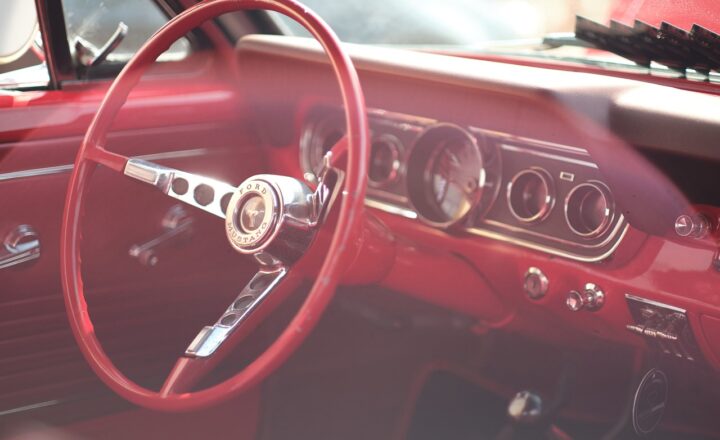
One of the most recognizable cars in American history, the 1967 Ford Mustang Fastback, has become synonymous with freedom and rebellion. A recent restoration project took a dilapidated model found in a junkyard and meticulously rebuilt it to its original glory. The car underwent a full body restoration, complete with factory-correct paint and original engine components. The final product was unveiled at a classic car show and received accolades not only for its beauty but for the dedication to authenticity.
1937 Bugatti Type 57
The 1937 Bugatti Type 57 is often considered the pinnacle of automotive design. A stunning restoration project took this timeless beauty, which had seen decades of neglect, and brought it back to life. The team of artisans worked over two years to restore not just the mechanics but the intricate details of the bodywork. The end result was a stunning work of art that fetched a staggering price at auction, showcasing that even the most storied cars can triumph from their rusty past.
1955 Mercedes-Benz 300SL Gullwing
The Mercedes-Benz 300SL Gullwing is an automotive icon with a legacy that endures. In one of the most ambitious restoration projects, a team uncovered a forgotten model in a rural barn. After intense research to ensure authenticity, the car was restored using original parts, painstakingly recreating its unique gullwing doors. Upon completion, it was featured in several classic car exhibitions and highlighted the importance of preserving automotive history.
3. Challenges Faced in Restoration
Restoring a car is fraught with challenges that test the limits of patience, skill, and resources. Here are some common difficulties faced by restorers:
Finding Original Parts
Authentic parts are essential for accurate restorations. This pursuit often leads restorers on a treasure hunt through junkyards and online marketplaces, sometimes leading them to fabricate pieces from scratch. No part is too small to be overlooked; even missing bolts can derail an entire project.
Budget Constraints
Restoration costs can skyrocket quickly. Budget overruns often occur due to unexpected repairs, needing specialized labor, or sourcing rare parts. It’s crucial for restorers to plan meticulously and allocate funds wisely to avoid project halts.
Time Commitment
A successful restoration can take anywhere from months to years, depending on the vehicle’s condition and the level of restoration intended. This extensive timeline requires dedication and consistency, which can be tough to maintain alongside daily responsibilities.
4. The Emotional Journey of Restoration
The road to restoration isn’t just one of nuts and bolts; it’s an emotional journey filled with triumphs and challenges. Many restorers form deep bonds with their projects, often feeling an emotional connection akin to that of a parent to a child.
Sharing progress with family, friends, and fellow enthusiasts fosters community and support, making the journey even more fulfilling. For some, the finale of successfully restoring a car is about more than just restoring its mechanical capabilities; it’s about storytelling, history, and personal legacy.
5. The Benefits of Car Restoration
Car restoration offers numerous benefits that extend beyond just revamping a vehicle:
Historical Preservation
By restoring classic cars, enthusiasts are preserving pieces of history. Each vehicle tells a story of its time, and restorers contribute to telling that story through their work.
Skill Development
Engaging in car restoration cultivates valuable skills, including mechanical knowledge, problem-solving, and mastering various techniques in welding, painting, and finishing. These skills can translate into other areas of life, enhancing overall craftsmanship.
Community Engagement
Car enthusiasts often find camaraderie within their community through clubs, shows, and events. Restoration projects serve as conversation starters and bridges to friendship.
6. Conclusion: The Transformative Power of Restoration
Car restoration is more than just a trend; it’s a deep-rooted passion that showcases the transformative power of dedication and creativity. From humble beginnings, a car can be reborn into an extraordinary creation that reflects both the history of automotive engineering and the personal touch of its restorer.
As long as people hold a love for nostalgia and craftsmanship, the world of car restoration will continue to thrive. Each restoration serves as a testament to what can be achieved through hard work, resilience, and imagination. So, whether it’s a barn find or a family heirloom, remember that every car has a story waiting to be told—if only we take the time to revive it.
If you’re contemplating a restoration project or simply a fan of classic cars, take inspiration from these dramatic transformations and consider what stories your own projects might tell. Collecting these automotive artifacts matters; they are ephemeral reminders of where we’ve been and where we might still be headed.
As you dive deeper into this exciting community, remember that every restoration opens a window into the soul of the vehicle and, inevitably, into the heart of the restorer.