From Gumballs to Grudges: The Evolution of Cartoon Culture Over Decades

Ethan Reynolds
November 17, 2024
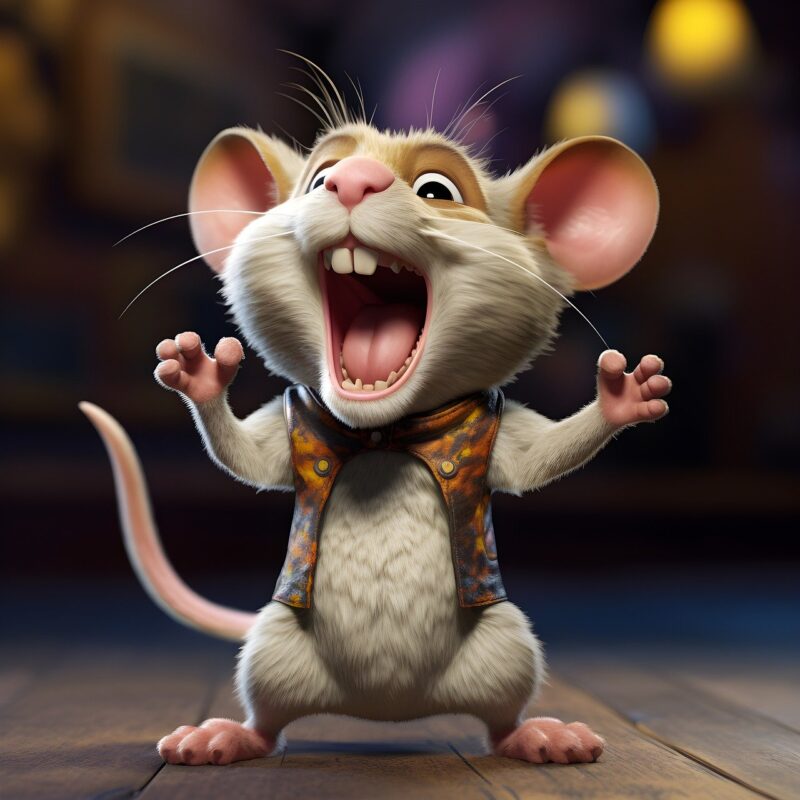
Cartoons have always held a special place in the hearts of audiences around the globe. From the whimsical charms of early animations to the depth and complexity of contemporary storytelling, the evolution of cartoon culture reflects societal changes, technological advancements, and shifts in viewer expectations. In this article, we’ll take a detailed journey through the stages of cartoon history, examining how the genre has morphed over the decades to become a multifaceted form of entertainment.
1. The Birth of Animation: The Early Years (1920s-1940s)
The roots of cartoon culture can be traced back to the early 20th century when animation was born from the creative minds of pioneers like Walt Disney and Max Fleischer. Cartoons were primarily short films shown in theaters, often displayed alongside feature films as part of the collective movie-going experience.
One of the most significant early influences was the creation of the iconic character Mickey Mouse in 1928. Mickey opened the floodgates for a slew of memorable characters that soon followed:
- Betty Boop: She epitomized the jazz age, representing the flapper culture and the lively spirit of the 1930s.
- Popeye: This spinach-loving sailor captured audiences’ imaginations with his simple yet moralistic adventures.
These cartoons were often slapstick in nature, relying heavily on physical comedy and visual gags. The societal backdrop of the Great Depression played a crucial role in shaping early cartoons, offering a form of escapism and laughter in challenging times.
2. The Golden Age of Cartoons (1940s-1960s)
As World War II drew to a close, the late 1940s saw the rise of the Golden Age of Cartoons, characterized by longer formats and more polished animations. Warner Bros. created memorable characters such as Bugs Bunny, Daffy Duck, and Porky Pig, who became household names.
During this era, cartoons began to incorporate satire and complex storylines that challenged societal norms. For instance, Chuck Jones’ work on the Looney Tunes and Merrie Melodies often poked fun at the American dream, dealing with themes of rivalry, greed, and morality. In addition, cartoon shorts started reaching a broader audience via television in the 1950s, bringing them into homes across America.
Typical Characteristics of this Era:
- Iconic character-driven narratives
- Incorporation of cultural references and social commentary
- Transition from theater to television screens
3. The Rise of Television Cartoons (1960s-1980s)
The cartoon landscape significantly shifted during the 1960s with the advent of television. Animation studios created series that directly targeted children, leading to classics like The Flintstones and Scooby-Doo. These shows not only entertained children but also embedded themselves into mainstream culture, becoming a regular staple of Saturday morning television.
The late 70s and early 80s saw the emergence of shows that appealed to both children and adults, incorporating humor that resonated across age groups. Series like The Jetsons and Garfield and Friends explored contemporary themes through the lens of animated characters, portraying modern-day life in humorous and relatable ways.
Key Themes Addressed in This Era:
- Technological advances and modern lifestyles
- Parody and humor that resonated with multiple generations
- Syndication of cartoon series, expanding their eventual influence
4. The Renaissance of Animation (1990s-2000s)
Entering the 1990s, cartoons underwent a renaissance period as animation became a prominent medium for storytelling. With the advent of Disney’s feature films like The Lion King and Beauty and the Beast, animation became a respected art form, showcasing emotional depth and character development.
At the same time, animated television evolved as well. Shows like The Simpsons pushed the boundaries of traditional cartoon humor by addressing pressing social issues, politics, and family dynamics. It not only became a cultural phenomenon but also raised the stakes for television animation, leading to more mature themes in shows like South Park and Futurama.
Significant Trends During This Period:
- Emotional storytelling and character complexity
- Targeting adult audiences with layered humor
- Integration of animation with live-action elements
5. The Digital Age and Contemporary Cartoons (2000s-Present)
With the explosion of the internet and digital technology, the landscape of animation has transformed yet again. Cartoons are now produced not just for TV but also for streaming platforms and web channels like YouTube, opening the door to creative expression.
Today’s animations often reflect current social issues, cultural conversations, and a broader range of narratives. Shows like Adventure Time and Steven Universe have garnered acclaim for their inclusive storytelling and complex themes, appealing to a new generation of viewers who demand authenticity and representation.
Moreover, traditional animation techniques blend with CGI and even virtual reality, leading to more engaging formats. Audiences now expect multi-dimensional experiences that entertain while sometimes delivering poignant commentary.
Contemporary Animation Trends Include:
- Diverse representation and inclusive storylines
- Cross-platform availability, reaching viewers on various devices
- Integration of technology in storytelling and animation techniques
Conclusion: The Ongoing Journey of Cartoon Culture
Throughout the decades, cartoons have evolved in lockstep with societal values, technological advances, and cultural narratives. From the simplistic gags of early animations to the rich, multifaceted stories of today, cartoon culture serves as a mirror reflecting the ever-changing human experience.
While the characters and styles may change, the essence of cartoons as a significant form of storytelling remains constant. As we look toward the future, it’s clear that cartoons will continue to adapt and resonate with audiences, providing laughter, lessons, and lasting memories for generations to come.