From Concept to Reality: How Car Prototypes Become the Vehicles We Drive

Lucas Grant
November 11, 2024
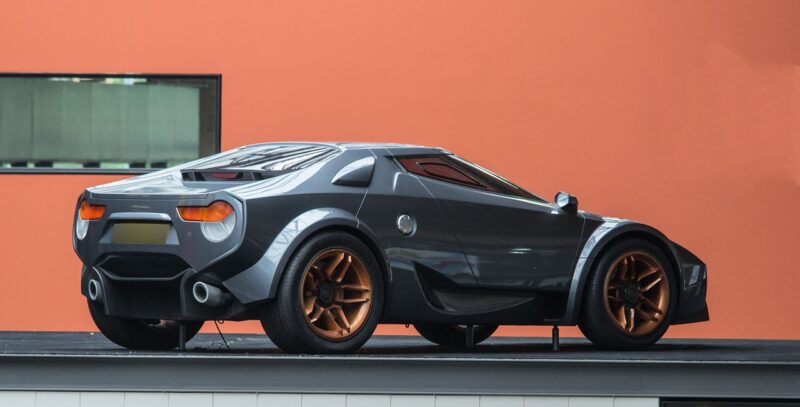
The journey from a car prototype to a fully realized vehicle is a fascinating process that merges creativity, engineering, and market strategy. With the automotive industry continuously evolving, understanding this transformation is essential for enthusiasts and potential buyers who wish to comprehend the intricate dance between innovation and practicality. This article delves deep into the stages that car prototypes go through to become the actual vehicles we encounter on the roads today.
1. The Importance of Prototyping in the Automotive Industry
Prototyping is a cornerstone of the automotive development process. It allows manufacturers to explore the feasibility of design concepts, test innovations, and gather crucial data on performance, safety, and user experience before full-scale production.
Key Objectives of Prototyping:
- Testing Design Aesthetics: Evaluating how innovative designs resonate with consumer preferences.
- Evaluating Performance: Assessing the mechanical, aerodynamic, and efficiency properties of new technologies.
- Safety Analysis: Ensuring prototypes undergo rigorous testing to comply with safety regulations.
- Market Feedback: Gaining insights from focus groups or expert reviews to refine features that enhance user experience.
Without prototypes, automakers would risk launching vehicles that fail to meet user expectations or regulatory standards, potentially jeopardizing their market position.
2. The Prototyping Process: From Sketch to Initial Model
The journey of a vehicle from concept to reality usually begins in the minds of designers and engineers. The multi-phased process can be broken down into the following stages:
2.1. Ideation and Conceptualization
Initially, automotive designers brainstorm concepts based on market trends, consumer needs, and technological advancements. This phase results in initial sketches and 3D models, reflecting both form and function. Concepts also focus on:
- Sustainability: Considering eco-friendly materials and energy-efficient systems.
- User-Centric Design: Prioritizing user experience, safety, and ease of use.
- Technological Integration: Including advanced tech features like AI and Internet of Things (IoT) capabilities.
2.2. Creating Clay Models
Once the concept is solidified, designers often create clay models at a scale of 1:1. These tangible renditions allow for:
- Physical Evaluation: Designers can assess proportions and aesthetics in three dimensions.
- Collaborative Reviews: Teams provide input, which can lead to adjustments before moving into digital modeling.
2.3. Digital Prototyping
Thanks to advancements in technology, computer-aided design (CAD) software allows for detailed and accurate virtual modeling. Design specifications and mechanical aspects are simulated, offering insights into:
- Aerodynamics: Evaluating airflow and efficiency through virtual wind tunnel tests.
- Structural Integrity: Analyzing load and stresses that different components will encounter.
The digital model evolves through iterations based on feedback, where engineers and designers continuously tweak the specifications.
3. Building the Prototype: From Parts to Assembly
After the design is finalized, it’s time to build the physical prototype. This stage combines artistry with engineering precision.
3.1. Manufacturing Components
Car manufacturers often create specialized components that differ from standard production parts. These pieces may include:
- Custom Chassis: Designed to support unique features and modifications.
- Experimental Engine Systems: Often employing novel fuel pathways and energy management systems.
3.2. Assembly Process
The assembly of the prototype often occurs in a dedicated space to allow for detailed builds and adjustments. Engineers must ensure that:
- All components function cohesively, including electrical systems, sensors, and the drivetrain.
- Rigorous quality control measures are in place to maintain safety standards.
The assembly of prototypes often takes a significant amount of time and effort due to their complexity and the need for precision.
4. Testing the Prototype: Ensuring Performance and Safety
With the prototype constructed, extensive testing is crucial to ensuring its readiness for the marketplace.
4.1. Performance Testing
Engineers perform a host of tests to measure parameters such as:
- Acceleration and Handling: Evaluating the responsiveness of the vehicle in various conditions.
- Fuel Efficiency: Testing different driving conditions to determine fuel economy.
4.2. Crash Testing
Safety is of utmost importance. This stage usually involves:
- Simulated Crash Scenarios: Performing extensive crash tests to measure how the vehicle holds up under impact.
- Analyzing Safety Features: Evaluating the efficiency of airbags, crumple zones, and seat belts.
Undoubtedly, testing is one of the most resource-intensive stages, as every iteration aims to improve reliability and safety.
5. Production Readiness: Final Adjustments
After extensive testing, it’s time for final adjustments to ensure ready-to-market vehicles produce consistently high-quality results.
5.1. Feedback Loop
Critiques from test drivers and engineers lead to essential tweaks, ensuring the vehicle meets expectations for:
- Comfort & Ergonomics: Fine-tuning the interior layout for ease of use.
- Technology Integration: Ensuring seamless functionality with infotainment and safety features.
5.2. Start of Production
Once all adjustments are finalized and the prototype is evaluated for performance consistency, mass production can commence. The manufacturer sets up a production line, ensuring all processes are optimized for efficiency.
This last phase showcases how successful prototypes evolve into finished products, ready to hit showrooms worldwide.
Conclusion: The Road Ahead
The automotive industry’s path from concept to reality is a complex process that requires a meticulous approach, balancing creativity with technical expertise. Each stage of prototyping not only serves to identify potential issues but also enhances the end product and ensures it resonates with consumers.
As we move towards an era of electric and autonomous vehicles, the prototyping process will undoubtedly evolve. Future manufacturers must adapt quicker than ever, responding to emerging technologies and changing consumer expectations. Understanding these processes allows us to appreciate the innovations driving the vehicles of tomorrow—vehicles that stemmed from the visionary concepts of today.