From Bait to Tackle: Everything You Need to Know to Start Freshwater Fishing

Jack Avery
November 11, 2024
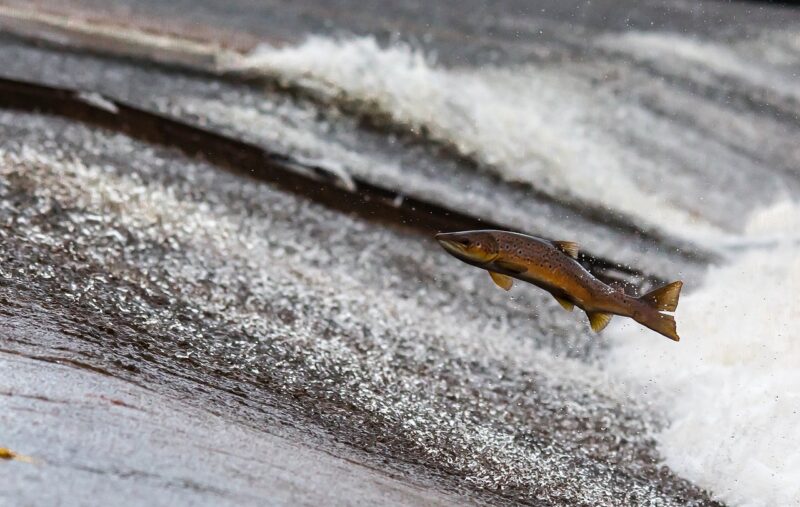
Fishing is more than just a hobby; it’s a peaceful escape into nature that connects us with the environment and challenges our patience and skills. Freshwater fishing, in particular, offers a wide array of experiences, from tranquil lakes to rushing rivers. For those looking to dip their toes into this rewarding pastime, understanding the basics of freshwater fishing is essential. In this article, we will cover everything you need to know to get started—from the types of species to target and equipment required, to bait selection and techniques.
1. Understanding Freshwater Fishing
Freshwater fishing takes place in bodies of water that are not salty, including rivers, lakes, ponds, and streams. Common species to catch in freshwater include bass, trout, catfish, and panfish. Knowing where these fish are likely to be found, their feeding patterns, and the best times to fish can drastically improve your success rate.
Different types of freshwater fishing include:
- Bank Fishing: Fishing from the shore of a water body is an accessible way to get started. It requires minimal equipment and can be done from nearly anywhere there’s water.
- Boat Fishing: Using a boat provides access to deeper waters and spots that are hard to reach from shore. Small inflatable boats or fishing kayaks are popular for novice anglers.
- Fly Fishing: A more advanced technique, fly fishing uses specialized equipment and bait (flies) to catch fish. It requires practice, but is highly rewarding.
Understanding these different types will help you choose the right approach as you embark on your fishing adventure.
2. Essential Fishing Gear
Before heading out, it’s essential to gather the necessary equipment. The basics include:
A. Fishing Rod and Reel
Your rod choice depends largely on what species you target:
- Spinning Rods: Versatile and user-friendly, spinning rods are great for beginners targeting smaller species like panfish and trout.
- Casting Rods: Ideal for catching larger fish, casting rods require a bit more skill but can yield great results for species such as bass or catfish.
- Fly Rods: Specific to fly fishing, these rods are lightweight and designed to cast the flies accurately.
Once you have your rod, pair it with a compatible reel. Spinning reels are popular due to their ease of use.
B. Fishing Line
Choosing the right fishing line is crucial. Lines come in three forms:
- Monofilament: Ideal for beginner anglers, it’s affordable and has good stretch, making it forgiving on the fish.
- Fluorocarbon: Less visible underwater, it is great for clear waters and wary fish.
- Braid: Extremely strong and durable, braid is suitable for fishing in heavy cover or when targeting large fish.
Choose the right pound test based on the target species; lighter lines (6-10 lbs) for panfish, and heavier lines (15-30 lbs) for larger species.
C. Hooks and Bait
Hooks come in various sizes, shapes, and styles. As a general rule:
- Use smaller hooks (sizes 8-12) for panfish and larger hooks (sizes 1-4) for bass and catfish.
- Barbed hooks hold fish more securely but may require care when releasing caught fish.
Choosing the right bait often depends on what fish species you’re targeting. Live bait—like worms, minnows, or crickets—works best for beginners. Artificial lures can be highly effective as well, offering various colors and movements to attract fish.
3. Understanding Fishing Regulations
Before you grab your gear and hit the water, it’s essential to familiarize yourself with local fishing regulations. These rules exist to protect fish populations and their habitats. You may need a fishing license, and there are often specific guidelines regarding:
- Species Limits: Many areas have restrictions on how many fish of each species you can catch and keep.
- Size Limits: Some species have minimum and/or maximum size requirements for harvest.
- Seasons: Certain species may have specific seasons when they can be caught, while others may be protected during spawning.
Make sure to check with your local wildlife management agency for complete regulations before heading out.
4. Basic Fishing Techniques
Once you’ve assembled your gear and understand the regulations, it’s time to learn a few essential fishing techniques:
A. Casting
The basic cast consists of:
- Start by holding the rod at a 90-degree angle and keeping the line taut.
- Pull the rod back over your shoulder, then flick it forward to cast, releasing the line at the right moment.
- Aim for a target area, such as around structure like rocks or submerged trees where fish like to hide.
Practice casting in an open area before heading out on the water to become proficient.
B. Bobber Fishing
Using a bobber helps anglers detect when a fish bites:
- Attach the bobber to your line, so it floats above where the bait is placed.
- When a fish bites, the bobber will either submerge or move; wait for the right moment before reeling in.
This technique is especially effective for panfish.
C. Fishing with Lures
When using lures, your primary goal is to entice fish visually or through movement:
- Retrieving the lure at various speeds can help mimic the movements of prey, so experiment to see what works best.
- Try different lures like crankbaits, spinnerbaits, or soft plastics depending on what’s working best that day.
Using a combination of these techniques will enhance your fishing experience and effectiveness.
5. Fishing Etiquette
As with any activity, it’s essential to practice proper etiquette while fishing to ensure a positive experience for everyone on the water:
- Respect Other Anglers: Maintain a reasonable distance from others, and avoid casting into occupied areas.
- Clean Up After Yourself: Always leave your fishing area cleaner than you found it. Dispose of trash, unused bait, and tackle properly.
- Practice Catch and Release: If you’re not fishing for food, consider releasing your catch responsibly to help maintain local fish populations.
By being respectful and responsible, you contribute to a thriving fishing community.
Conclusion
Starting your freshwater fishing journey is both exciting and enriching. With the right equipment, knowledge, and techniques, you can embark on countless adventures in nature while enjoying the peace that fishing offers. Always remember to respect regulations and the environment, and most importantly, have fun! Whether you’re casting from a serene lakeside or a rushing river’s edge, every fishing trip will teach you something new about the aquatic world and yourself.
Get Ready to Fish!
With this guide, it’s time for you to grab your gear, find a spot, and start your fishing adventure. Embrace the tranquility of nature, enjoy the thrill of the catch, and make memories that will last a lifetime. Happy fishing!