Fast Charging Explained: How New Technology is Reducing EV Charging Times

Sophia Chen
October 25, 2024
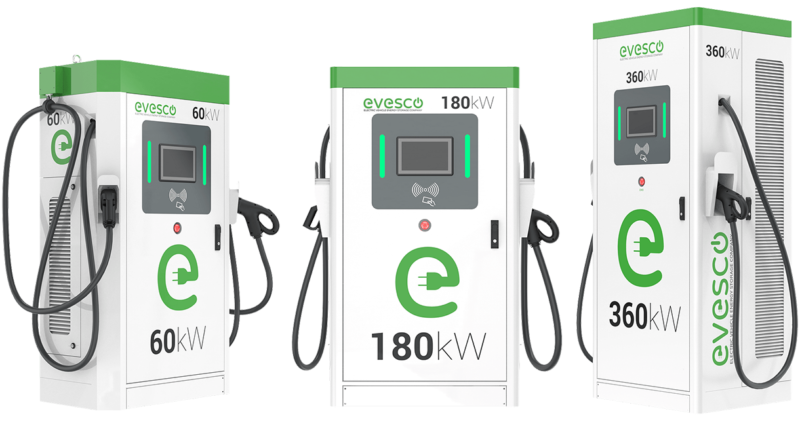
As electric vehicles (EVs) become more popular, one of the key challenges for widespread adoption has been the time it takes to recharge compared to filling up a traditional gasoline-powered car. However, advancements in fast-charging technology are changing that, significantly reducing the amount of time needed to charge an EV. With the goal of making EVs more convenient and accessible, fast charging is a major focus for automakers and infrastructure providers alike.
In this article, we’ll dive into how fast charging works, the latest technologies driving these advancements, and what this means for the future of electric mobility.
1. What is Fast Charging?
Fast charging, also known as rapid charging, is a technology that allows electric vehicles to recharge their batteries much more quickly than traditional charging methods. By increasing the power output, fast charging systems can deliver a higher rate of energy to the battery, dramatically shortening charging times.
Charging Power Levels:
- Level 1 Charging: Uses a standard household outlet (120V), offering a slow charging rate that can take up to 20 hours to fully charge an EV.
- Level 2 Charging: Uses a 240V outlet, commonly found in homes or public charging stations, and can charge an EV in 4-8 hours.
- Level 3 Charging (DC Fast Charging): Also known as DC fast charging, this is the fastest option, capable of recharging an EV to 80% capacity in as little as 20-40 minutes.
Why It Matters: Fast charging is crucial for the widespread adoption of electric vehicles, particularly for drivers who need to cover long distances and cannot afford to wait several hours for their car to charge.
2. How Does Fast Charging Work?
Fast charging operates by supplying direct current (DC) electricity to the vehicle’s battery, bypassing the vehicle’s onboard charger, which typically converts alternating current (AC) from standard power outlets into DC for storage in the battery. By delivering high-voltage DC power directly to the battery, fast chargers are able to charge an EV much more quickly.
Charging Curves: Most fast charging systems follow a charging curve, where the charging rate is fastest at the beginning when the battery is low, and then gradually slows down as the battery approaches full capacity. This helps to protect the battery and extend its lifespan.
Why It Matters: Understanding how fast charging works can help EV owners manage their charging habits, optimizing the balance between charging speed and battery health.
3. The Latest Fast-Charging Technologies
Recent advancements in fast-charging technology are making EV charging even faster and more efficient. These innovations are driven by improvements in both battery technology and charging infrastructure.
- Ultra-Fast Chargers: New ultra-fast chargers, capable of delivering up to 350 kW of power, are being deployed in charging networks around the world. These chargers can add up to 200 miles of range in just 15 minutes, making EVs more practical for long-distance travel.
- Solid-State Batteries: While still in development, solid-state batteries promise faster charging times and longer ranges compared to traditional lithium-ion batteries. These batteries use a solid electrolyte instead of a liquid one, allowing for higher energy density and greater safety.
- Wireless Charging: Another exciting development is wireless EV charging, which uses inductive charging pads to transfer energy to the vehicle without the need for physical cables. While currently slower than wired fast charging, this technology is expected to improve in speed and convenience.
Why It Matters: These new technologies are driving the next wave of EV adoption, making charging faster and more convenient, and helping to overcome one of the major hurdles in the shift to electric transportation.
4. The Impact of Fast Charging on Battery Life
One of the key concerns with fast charging is its impact on battery life. Rapidly charging a battery generates more heat than slower charging methods, which can degrade the battery over time if not properly managed.
Battery Management Systems (BMS): To address this, modern electric vehicles are equipped with sophisticated battery management systems that regulate charging speed and temperature to minimize the impact on battery health. These systems can adjust the charging rate to prevent overheating and optimize the lifespan of the battery.
Why It Matters: While fast charging is convenient, it’s important for EV owners to understand how to balance frequent fast charging with slower home charging to extend the life of their vehicle’s battery.
5. Expanding Fast-Charging Infrastructure
The expansion of fast-charging networks is critical to making electric vehicles more viable for long-distance travel. Public fast chargers are being installed at key locations such as highways, shopping centers, and rest stops, making it easier for drivers to quickly charge their EVs while on the go.
Global Fast-Charging Networks: Companies like Tesla, Electrify America, and Ionity are leading the charge in building ultra-fast charging networks across the globe. These networks are designed to provide EV drivers with access to fast chargers in convenient locations, reducing range anxiety and making electric vehicles more practical for everyday use.
Why It Matters: The availability of fast chargers is crucial for the widespread adoption of electric vehicles. As fast-charging infrastructure continues to grow, it will become easier and more convenient for drivers to switch to electric vehicles.
6. The Future of Fast Charging: What’s Next?
As the demand for electric vehicles continues to rise, the future of fast charging looks bright. Researchers and companies are working on further advancements to reduce charging times even more, making EVs as convenient as traditional gasoline-powered cars.
- Faster Charging Speeds: Future fast chargers may deliver even higher power levels, potentially recharging EVs in less than 10 minutes.
- Smart Charging Networks: Smart grids and charging networks will use real-time data to optimize charging speed, minimize energy waste, and ensure that charging stations are distributed efficiently across regions.
- Renewable Energy Integration: As more charging networks integrate renewable energy sources like solar and wind, the environmental benefits of electric vehicles will increase, creating a cleaner energy ecosystem.
Why It Matters: The continued innovation in fast-charging technology will play a critical role in the transition to a fully electric transportation system, making EVs more appealing to a wider audience.
Conclusion
Fast charging is revolutionizing the electric vehicle industry, making it easier and quicker to recharge EVs than ever before. With advancements in charging speeds, battery technology, and infrastructure, the future of electric mobility looks promising. Understanding how fast charging works and the latest innovations in this space can help drivers make informed decisions and embrace the shift to cleaner, more efficient transportation.
As the world continues to move towards electric vehicles, the expansion of fast-charging networks and the development of new technologies will ensure that EVs become a viable and convenient alternative to traditional cars.