Ancient Rome was one of history’s most powerful and influential civilizations, leaving a lasting legacy in art, architecture, law, and government. But beyond the grand structures and famous emperors, Ancient Rome was filled with intriguing and lesser-known facts that paint a vivid picture of life in the ancient world. Here are some fascinating facts about Ancient Rome that may surprise you.
1. Rome Wasn’t Built in a Day – But Its Road Network Was Remarkable
The saying “All roads lead to Rome” comes from the extensive road network built by the Romans, which connected the vast empire and facilitated trade, travel, and military expeditions.
- Length: Rome built over 250,000 miles of roads, with some still in use today.
- Milestones: Romans placed stone markers along roads to help travelers gauge distances and find their way.
2. Romans Had Central Heating and Plumbing
Ancient Rome was advanced in engineering, with many homes featuring central heating, running water, and even sewage systems.
- Hypocaust System: Romans used hypocaust systems, which involved heated floors and walls, to warm homes and public baths.
- Aqueducts: Aqueducts carried fresh water from the mountains to cities, providing clean drinking water to citizens.
3. The Romans Created Concrete That Lasted Millennia
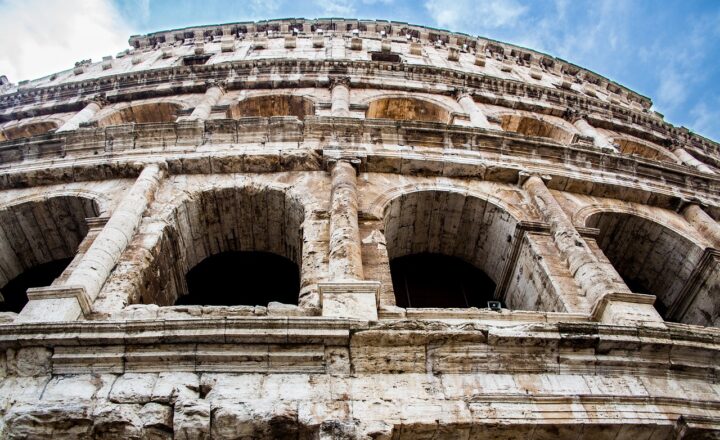
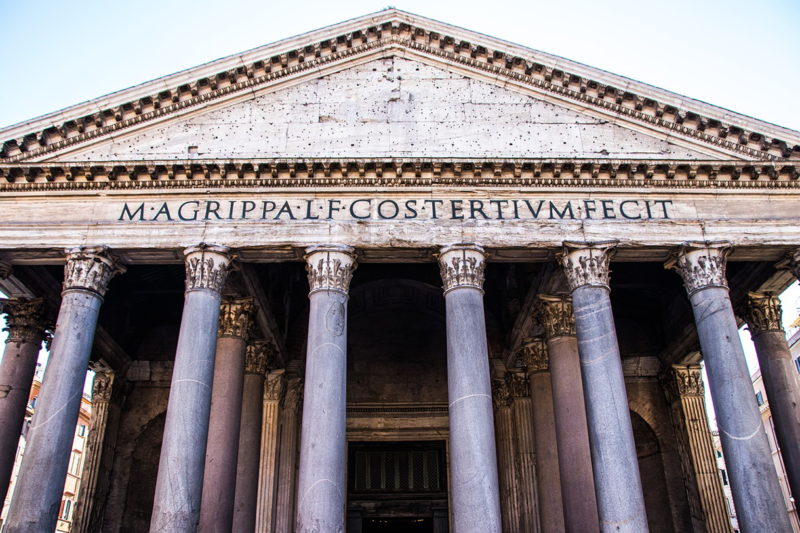
Roman concrete is known for its durability, and many ancient Roman structures still stand today, including the Pantheon and the Colosseum.
- Unique Formula: Roman concrete included volcanic ash, which made it more durable than modern concrete.
- Self-Healing Properties: Exposure to seawater strengthens Roman concrete, which is why coastal structures have lasted for centuries.
4. The Colosseum Had a Retractable Roof
The Colosseum, an architectural marvel, featured a retractable awning called the “velarium” to protect spectators from the sun and rain.
- Design: Sailors operated the velarium, which was made of large canvas sails attached to ropes.
- Capacity: The Colosseum could hold up to 50,000 spectators, all shielded from the elements by the velarium.
5. Gladiators Were Often Celebrities
Though they were typically slaves or prisoners, gladiators could achieve fame and wealth. Some even won their freedom and became icons.
- Merchandise: Gladiators were popular among Romans, and items such as gladiator sweat and blood were sold as souvenirs.
- Training Schools: Gladiators trained rigorously and were housed in schools with specialized instructors and medical staff.
6. Roman Emperors Were Sometimes Declared Gods
Many Roman emperors were deified by the Senate after their death, allowing citizens to worship them as gods and ensure their legacy.
- Temples: Temples were built in honor of deified emperors, where citizens could offer prayers and sacrifices.
- Political Influence: The deification of emperors was often used to legitimize the authority of their successors.
7. Roman Banquets Were Extravagant Events
Wealthy Romans hosted lavish feasts with multiple courses, exotic foods, and entertainment such as music, poetry, and acrobatics.
- Unusual Dishes: Romans enjoyed exotic foods like peacock, flamingo, and even dormice as delicacies.
- Vomitorium Myth: Contrary to popular belief, the vomitorium was not a room for vomiting during feasts, but rather an architectural feature in theaters.
8. Romans Were Pioneers of Public Health and Hygiene
Public health was important to the Romans, and they built baths, latrines, and sewage systems to maintain cleanliness in cities.
- Public Baths: Romans frequented public baths for bathing, socializing, and relaxation.
- Sewage System: The Cloaca Maxima, one of the world’s earliest sewage systems, helped keep Rome clean.
9. Romans Believed in Omens and Superstitions
Superstitions and omens played a big role in Roman life, with people consulting soothsayers and interpreting signs to predict the future.
- Augurs: Augurs were priests who interpreted the will of the gods by studying the flight patterns of birds.
- Auspicious Days: Certain days were considered more favorable for activities like weddings, wars, or political decisions.
Conclusion: Ancient Rome’s Legacy Lives On
Ancient Rome’s advanced engineering, culture, and social customs continue to fascinate us today. From monumental structures to fascinating customs, the Romans left a lasting legacy that continues to influence modern society. As we uncover more about Ancient Rome, we gain insight into one of history’s most intriguing civilizations.