Exploring the Future of Transportation: How Electric Aircraft Could Revolutionize Travel in 2024 and Beyond

Sophia Chen
October 20, 2024
As the world transitions to more sustainable modes of transport, one area gaining increasing attention is the development of electric aircraft. While electric vehicles (EVs) have already taken over roads, the skies are the next frontier for electrification. With advancements in battery technology, aerodynamics, and renewable energy sources, electric aircraft are no longer a distant dream but an emerging reality.
This article will explore the exciting innovations happening in electric aviation, the companies leading the charge, and how this technology could reshape the future of travel.
The Rise of Electric Aircraft: What’s Driving the Trend?
Global aviation is responsible for about 2-3% of total global CO2 emissions, and with air travel projected to increase, the need for cleaner alternatives is urgent. Electric aircraft offer a promising solution by significantly reducing emissions and operating costs, making air travel more sustainable and accessible.
Key Drivers Behind the Shift to Electric Aviation
- Environmental Concerns: As governments and industries push to reduce their carbon footprint, electric aircraft are seen as a major step toward decarbonizing aviation.
- Technological Advancements: Advances in battery technology, lightweight materials, and electric motors have made it feasible to develop electric aircraft capable of short- to medium-range flights.
- Cost Efficiency: Electric propulsion systems are simpler and have fewer moving parts than traditional jet engines, which translates to lower maintenance costs and operational savings for airlines.
- Government Regulations and Incentives: Many countries are introducing policies to encourage the development and adoption of cleaner aviation technologies. This includes funding for research and tax incentives for airlines that reduce emissions.
The Technology Behind Electric Aircraft
The basic principle behind electric aircraft is similar to that of electric vehicles: replacing the combustion engine with electric motors powered by batteries or hybrid systems. However, building an electric aircraft involves unique challenges, particularly when it comes to energy storage and weight.
Batteries: The Heart of Electric Aviation
Battery technology is central to the development of electric aircraft. Currently, lithium-ion batteries are the most commonly used, similar to those in electric cars. However, to power aircraft, these batteries must store significantly more energy while remaining lightweight.
- Energy Density: One of the biggest hurdles is achieving the energy density required to support longer flights. While current battery technology is sufficient for short regional flights, breakthroughs in solid-state batteries or lithium-sulfur batteries could extend flight ranges.
- Hybrid Systems: Some companies are developing hybrid-electric aircraft that combine traditional jet engines with electric propulsion to improve fuel efficiency on longer routes.
Electric Propulsion: How Electric Motors Power Aircraft
Electric motors in aircraft convert electrical energy from the battery into mechanical power, turning the propellers or fans that generate thrust. These motors are highly efficient and can deliver precise power adjustments, making electric planes not only quieter but also more efficient in flight.
Companies Leading the Charge in Electric Aviation
Several companies and startups are pioneering the development of electric aircraft. Here are some of the key players to watch:
1. Joby Aviation
Joby Aviation, a California-based startup, is one of the leaders in electric vertical take-off and landing (eVTOL) aircraft. Joby’s electric air taxis are designed for short urban flights, providing an environmentally friendly alternative to traditional helicopters.
- Range and Speed: Joby’s aircraft can carry up to four passengers, with a range of around 150 miles on a single charge and speeds up to 200 mph.
- Partnerships: The company has partnered with major firms, including Toyota, and is working toward launching an electric air taxi service by 2025.
2. Lilium
Lilium is another eVTOL company making waves in the electric aviation space. Based in Germany, Lilium is developing an all-electric jet that can carry multiple passengers across regional distances.
- Design: The Lilium Jet features 36 electric engines integrated into its wings, allowing for vertical takeoff and efficient cruising.
- Range: Lilium’s aircraft can travel up to 186 miles at a top speed of 186 mph, making it ideal for regional flights.
3. Eviation
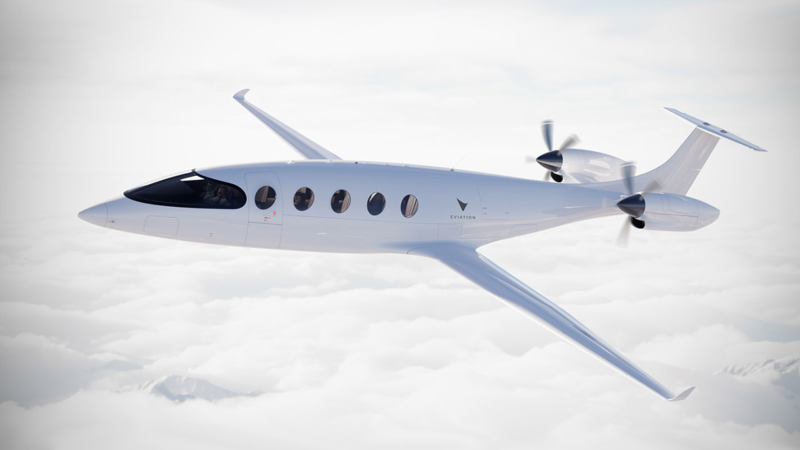
Eviation is an Israeli startup focused on building electric commuter aircraft. Its flagship model, the Alice, is a fully electric plane designed for regional travel, capable of carrying nine passengers.
- Range: Alice has a range of approximately 500 miles, making it suitable for short-haul flights between cities.
- Innovation: With its sleek design and all-electric propulsion system, Alice is aimed at reducing operational costs by as much as 70% compared to traditional aircraft.
Benefits of Electric Aircraft: Why They Could Change the Future of Travel
Electric aircraft offer numerous advantages, from reducing carbon emissions to making air travel more accessible and cost-effective. Here’s how electric planes could transform the aviation industry:
1. Environmental Impact
Perhaps the most significant benefit of electric aircraft is their potential to drastically reduce the aviation industry’s carbon footprint. With zero emissions from electric propulsion, these aircraft can help mitigate the environmental impact of air travel.
- Noise Pollution: Electric planes are also much quieter than their fossil-fuel-powered counterparts. This means less noise pollution for cities and airports, especially for urban air taxis.
- Sustainable Aviation Fuels (SAF): While fully electric planes may take time to become mainstream, hybrid models and the use of SAF can bridge the gap by reducing emissions while increasing range and reliability.
2. Lower Operating Costs
Electric aircraft are expected to have lower operating costs compared to traditional planes. The simpler design of electric motors means fewer moving parts, reducing maintenance needs and associated costs.
- Fuel Savings: With electric propulsion, airlines will no longer need to rely on expensive jet fuel, which fluctuates in price based on global oil markets.
- More Affordable Air Travel: These cost savings could translate into lower ticket prices, making air travel more affordable for passengers, particularly on short-haul regional flights.
3. Regional Air Mobility
Electric aircraft are especially well-suited for regional flights, which make up a significant portion of global air travel. With ranges of up to 500 miles, electric planes could revolutionize short-haul flights, connecting smaller cities without the need for large airports or long runways.
- Urban Air Mobility (UAM): The rise of eVTOL aircraft opens up new possibilities for urban transportation. Air taxis could become a common sight in major cities, providing fast and efficient transport across congested urban areas.
Challenges Facing Electric Aviation
While electric aircraft offer numerous benefits, there are still significant challenges that need to be addressed before they become a mainstream mode of transport.
1. Battery Technology
As mentioned earlier, the energy density of batteries remains a limiting factor for long-range electric flights. While advances are being made, the batteries required to power larger, long-haul aircraft are still in development.
2. Infrastructure
Electric planes require charging infrastructure, similar to electric vehicles. Airports will need to be equipped with high-capacity charging stations to support electric aircraft, and this infrastructure is still in its infancy.
- Charging Time: While fast-charging technology is improving, recharging electric planes quickly enough to maintain the efficiency of current airline schedules is another hurdle that needs to be overcome.
3. Regulation and Certification
The aviation industry is heavily regulated, and any new technology must meet strict safety standards before it can be adopted. Certifying electric aircraft for commercial use is a complex process that can take years, slowing the path to widespread adoption.
The Road Ahead: When Will We See Electric Aircraft in the Skies?
Despite the challenges, electric aircraft are expected to become a reality within the next decade. Regional electric flights could be commercially viable by 2026, with urban air mobility services potentially launching even sooner.
Looking ahead, as battery technology improves and charging infrastructure expands, electric aircraft could take on longer routes, reshaping not only regional air travel but eventually intercontinental flights as well.
Electric aviation is poised to play a key role in the future of sustainable transportation, offering a cleaner, quieter, and more affordable way to fly.