Charging Your EV at Home: What You Need to Know About Installation and Costs

Evan Morgan
October 25, 2024
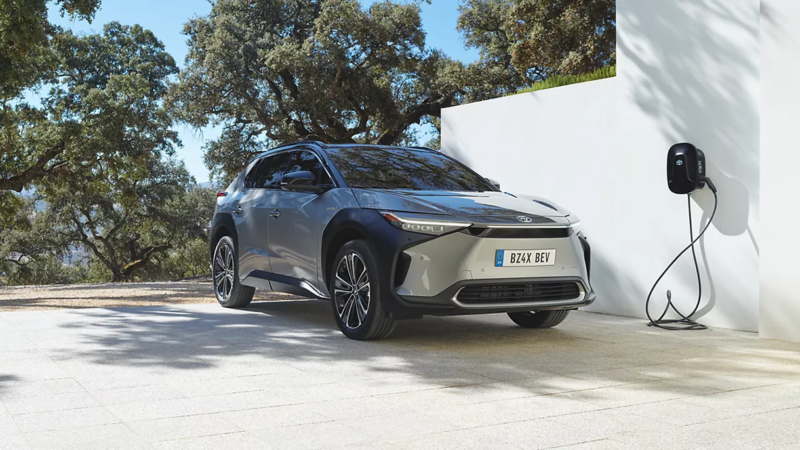
One of the most significant advantages of owning an electric vehicle (EV) is the ability to charge it at home, eliminating the need for frequent trips to public charging stations. Home charging is not only convenient but can also be more cost-effective over time. However, installing an EV charging station at home requires some planning, including understanding the installation process, costs, and the type of charger that best fits your needs.
In this article, we’ll cover everything you need to know about charging your EV at home, from the installation process to associated costs and tips for maximizing efficiency.
1. Types of Home EV Chargers: Level 1 vs. Level 2
When it comes to charging your EV at home, there are two main types of chargers: Level 1 and Level 2. Each option offers different charging speeds and installation requirements.
Level 1 Chargers:
- Charging Speed: Level 1 chargers use a standard 120-volt household outlet and provide the slowest charging speed. On average, they deliver about 3-5 miles of range per hour of charging.
- Installation Requirements: Level 1 chargers do not require any special installation, as they can plug directly into a regular outlet. This makes them a cost-effective option for drivers who don’t need fast charging.
- Best For: Drivers with low daily mileage or those who can leave their EV plugged in overnight for extended charging sessions.
Level 2 Chargers:
- Charging Speed: Level 2 chargers use a 240-volt outlet, similar to what is used for large appliances like electric dryers. They provide significantly faster charging, typically adding 20-30 miles of range per hour of charging.
- Installation Requirements: Installing a Level 2 charger usually requires the help of an electrician to install a 240-volt outlet or hardwire the charger. This option is more expensive but offers much faster charging times.
- Best For: Drivers with higher daily mileage, or those who want the convenience of quickly charging their EV at home.
Choosing between Level 1 and Level 2 charging depends on your driving habits and how quickly you need to recharge your vehicle.
2. The Installation Process for Home EV Chargers
Installing a home EV charger, particularly a Level 2 charger, involves several steps and may require some upgrades to your electrical system. Here’s a breakdown of the process:
Step 1: Evaluate Your Electrical System
Before installing a Level 2 charger, you’ll need to assess whether your home’s electrical system can handle the additional load. Most homes can accommodate a Level 2 charger, but older homes may require an upgrade to the electrical panel to support a 240-volt outlet. An electrician can help determine whether your electrical system is adequate.
Step 2: Choose a Charger
Once you’ve evaluated your electrical system, it’s time to choose a charger. There are many options on the market, from basic models to smart chargers with Wi-Fi connectivity and energy monitoring features. Look for chargers that are compatible with your EV and offer the charging speed you need.
Step 3: Professional Installation
Hiring a licensed electrician is essential for safely installing a Level 2 charger. The electrician will install a dedicated 240-volt outlet or hardwire the charger into your home’s electrical system. In some cases, you may also need to obtain a permit, depending on local regulations.
Step 4: Testing and Setup
Once installed, the electrician will test the charger to ensure it’s working correctly. If you’ve purchased a smart charger, you can set it up with your home Wi-Fi network to monitor energy usage and schedule charging sessions.
3. Costs of Installing a Home EV Charger
The cost of installing a home EV charger varies depending on several factors, including the type of charger, your home’s electrical system, and the complexity of the installation. Below is a breakdown of the costs you might encounter:
Level 1 Charger Costs:
- Charger Price: Most EVs come with a Level 1 charger included, so there is typically no additional cost for the charger itself.
- Installation Costs: Since Level 1 chargers can plug into a standard outlet, there are no installation costs unless you need to upgrade the outlet or add a dedicated circuit.
Level 2 Charger Costs:
- Charger Price: Level 2 chargers range in price from $300 to $1,200, depending on the brand and features. Basic models are more affordable, while smart chargers with Wi-Fi connectivity and energy management features are on the higher end of the price spectrum.
- Installation Costs: Professional installation by a licensed electrician can range from $500 to $1,500, depending on the complexity of the job. If your home requires an electrical panel upgrade, this can add an additional $1,000 to $2,500 to the total cost.
Total Cost: For a Level 2 charger, the total cost (including the charger and installation) typically ranges from $800 to $3,000. However, many EV owners may be eligible for tax credits or incentives that can help offset these costs.
4. Saving Money with Incentives and Rebates
To encourage the adoption of electric vehicles, many governments and utility companies offer incentives, rebates, and tax credits for installing home EV chargers. These incentives can significantly reduce the overall cost of installation.
Common types of incentives:
- Federal Tax Credits: In some countries, including the United States, there are federal tax credits available for the installation of EV chargers. These credits can cover a portion of the cost of the charger and installation.
- State and Local Rebates: Many states and local governments offer rebates for installing home charging stations. These rebates vary by location but can cover up to 50% of the installation costs in some areas.
- Utility Company Programs: Some utility companies offer incentives or discounts on electricity rates for EV owners who install home chargers. These programs may include rebates for the charger itself or lower off-peak electricity rates for overnight charging.
Be sure to research available incentives in your area to take advantage of potential savings when installing a home EV charger.
5. Maximizing Efficiency: Tips for Home Charging
Once your home EV charger is installed, there are several ways to maximize efficiency and reduce your overall charging costs. Here are some tips to get the most out of your home charging setup:
- Charge During Off-Peak Hours: Many utility companies offer lower electricity rates during off-peak hours (usually overnight). By scheduling your charging sessions during these times, you can reduce your overall electricity costs.
- Use a Smart Charger: Smart chargers allow you to monitor your energy usage, schedule charging sessions, and even integrate with solar panels or home energy systems. This can help you optimize charging times and minimize energy consumption.
- Maintain Your Charger: Regularly inspect your charger and charging cable for signs of wear and tear. Keeping the charger in good condition will ensure safe and efficient charging.
- Precondition Your EV: If your EV has a preconditioning feature, use it to heat or cool the cabin while the vehicle is still plugged in. This reduces the amount of energy the car uses from the battery for climate control, extending your driving range.
By following these tips, you can make home charging more efficient and cost-effective over the long term.
Conclusion: Charging Your EV at Home
Charging your electric vehicle at home offers convenience, flexibility, and long-term cost savings. While the upfront costs of installing a home charger can vary depending on the type of charger and the complexity of the installation, many drivers find that the convenience of home charging far outweighs the initial investment. By choosing the right charger, taking advantage of available incentives, and optimizing your charging habits, you can enjoy a seamless home charging experience that keeps your EV ready for the road.