Are Cats Truly Solitary Animals? The Complex Social World of Our Feline Companions

Lucas Bennett
November 13, 2024
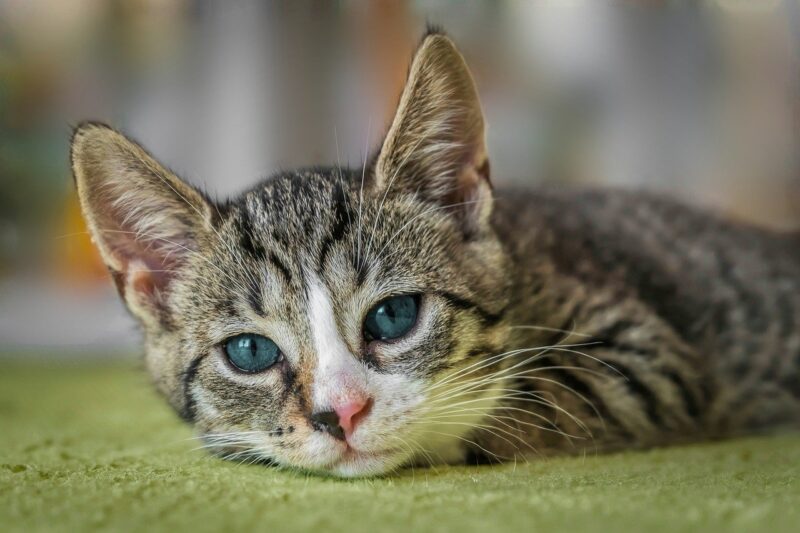
Cats have long been considered solitary animals, prone to independence and aloofness. Many people believe that cats are asocial, preferring to spend their time alone rather than seeking companionship. However, recent research and anecdotal evidence suggest that this perception might be flawed. In this article, we delve into the intricacies of feline social behavior and explore the truth behind the notion that cats are solitary animals.
1. Understanding Feline Nature
Cats are descendants of the wildcat species, which were indeed solitary hunters. This evolutionary background influences the way cats interact with their environment and social groups. Unlike dogs, which are pack animals and exhibit strong social hierarchies, cats have adapted to a different lifestyle. However, this does not mean they lack social instincts or the ability to bond with others.
While it’s true that feral cats can often be seen living solitary lives, they are also known to form colonies. A study published in the journal Animal Behaviour found that in areas where food is abundant, feral cats will cluster, forming social groups and establishing hierarchies similar to their canine counterparts. These colonies demonstrate that cats can thrive socially, not merely survive alone.
2. The Social Structure of Cats
Research shows that cats do possess complex social behaviors. Unlike dogs, which rely on a more structured pack hierarchy, cats display an individualistic approach to social interaction. They navigate social situations based on personal relationships rather than strict hierarchies. Here are key elements that embody cats’ social structures:
- Social Bonds: Cats often form strong bonds with their caregivers and other animals. These bonds can be seen in how they choose to interact with humans and fellow pets in the home. Many cat owners can attest to their feline companions seeking out attention and affection.
- Communication: Cats use vocalizations, body language, and scent markings to communicate with one another. Each cat has a unique way of expressing needs and emotions, revealing their ability to engage socially. Researchers emphasize that understanding a cat’s body language can help decode their emotional state and desires.
- Play Behavior: Cats engage in play not only as a means of honing their hunting skills but also for social interaction. Kittens learn to socialize with their littermates through play, which teaches them social boundaries like bite inhibition and appropriate behaviors toward other cats.
These behaviors contradict the stereotype of cats as purely solitary and illustrate their potential for engaging in complex social relationships.
3. The Role of Environment
The environment in which a cat lives plays a significant role in shaping its social interactions. Indoor cats, for example, may exhibit different social behaviors compared to their outdoor counterparts. Factors influencing these behaviors include:
- Living Arrangements: Cats in multi-pet households often develop social bonds with each other. They may groom one another, play, and even sleep together. However, they also establish personal space and show affection on their own terms.
- Human Interaction: Cats raised in homes with regular human interaction tend to be more social. Early socialization is crucial; kittens exposed to humans and other animals during their critical learning phase are likely to grow into well-adjusted adults who seek companionship.
- Resource Availability: Access to food, litter boxes, and safe sleeping areas can influence how cats interact with each other. When resources are plentiful, cats are more likely to engage socially as they feel less stress regarding competition for necessities.
The environment deeply impacts a cat’s inclination toward sociability, underscoring that their behavior is not solely driven by innate traits but also by their experiences and surroundings.
4. The Myth of Feline Independence
One of the most persistent myths about cats lies in the idea of their independence. While cats are more self-sufficient than dogs regarding daily care, this does not equate to emotional independence. Cats still express affection, seek comfort, and form attachments just as other pets do. Here are some insights into this perspective:
- Affectionate Behaviors: Many cat owners report that their cats follow them around the house, cuddle at night, or sit on their laps. Such behaviors indicate a desire for companionship and socialization rather than independence.
- Vocalizations: Cats also communicate with their owners through a variety of vocalizations. Some cats develop specific sounds or meows that they reserve for their humans, showing a desire to engage and interact with their caregivers.
- Territoriality and Preferences: While cats easily adapt to their surroundings, they often choose specific people or other pets to bond with, showcasing preferences and social attachments rather than a desire for isolation.
This understanding shifts the view of cats as lonely creatures and highlights that, although they may exhibit independent traits, their social needs are equally significant.
5. Conclusion: Embracing the Social Side of Cats
In conclusion, the belief that cats are solely solitary animals is a misconception. While they may possess characteristics that lean toward independence, their behavior reflects a complex social world. Through play, communication, and the formation of bonds, cats engage in rich social interactions, both with humans and other animals. By recognizing and embracing the social capabilities of our feline friends, we can build deeper connections and provide them with enriched lives that align with their social nature.
Remember, every cat is unique, and their social preferences may vary widely. Understanding these dynamics can lead to healthier relationships and greater happiness for our beloved companions. So, the next time you observe your kitty, think about the vibrant social life they might be hiding beneath their independent veneer.
As we continue to study and learn more about the intricate world of feline behavior, it becomes increasingly clear that cats are not only capable of significant social engagement but thrive in environments that allow for loving connections.