AI in Environmental Conservation: Using Machine Learning to Protect Ecosystems

Evan Morgan
November 10, 2024
As the world grapples with climate change, habitat destruction, and loss of biodiversity, innovative solutions are desperately needed to conserve our planet’s ecosystems. Artificial Intelligence (AI) and Machine Learning (ML) are at the forefront of this technological revolution, providing powerful tools for environmental conservation. This article explores how AI and ML are being harnessed to protect ecosystems, enhance biodiversity, and promote sustainable practices.
1. Understanding AI and Machine Learning in Conservation
AI and ML involve the use of algorithms that enables computers to learn from data and make decisions based on that learning. In the context of environmental conservation, these technologies can process vast amounts of data to identify patterns, predict outcomes, and even provide real-time solutions to pressing conservation challenges.
Some key applications of AI in environmental conservation include:
2. Monitoring Wildlife Populations
One of the fundamental challenges in conservation is accurately monitoring wildlife populations. Traditional methods often involve time-intensive data collection and analysis, which can be costly and inefficient. AI is helping drive changes in this area through:
- Automated Camera Traps: AI-powered camera traps can capture images of wildlife in their natural habitat. Machine learning algorithms can quickly sort through thousands of images to identify species and estimate population sizes, drastically reducing the time required for data analysis.
- Acoustic Monitoring: Using AI to analyze sound recordings of animal calls can help researchers detect species presence and abundance, providing insights into biodiversity in a particular area.
- Behavioral Analysis: AI can also track animal movements using GPS collars and analyze their behaviors. This information can assist in understanding migration patterns, habitat preferences, and potential threats to their survival.
For example, a project in Tanzania used AI to analyze thousands of photos from camera traps and successfully identified trends in wildlife populations of elephants and lions, leading to improved conservation strategies.
3. Habitat Monitoring and Restoration
AI and ML are also pivotal in habitat monitoring and restoration efforts. By leveraging satellite imagery and remote sensing data, conservationists can:
- Assess Land Use Changes: Algorithms can detect changes in land use patterns, such as deforestation or urbanization, allowing organizations to address threats to ecosystems proactively.
- Model Ecosystem Health: AI can analyze various datasets to gauge ecosystem health, including soil quality, pollution levels, and species diversity, providing a more holistic understanding of habitat conditions.
- Optimize Restoration Projects: Machine learning can help optimize reforestation efforts by analyzing which species of plants will thrive in degraded areas, thus accelerating habitat recovery.
A notable application of this technology is Root AI, which employs AI-powered robots to assess soil health and plant trees, actively contributing to reforestation efforts in various regions around the globe.
4. Combating Poaching and Illegal Activities
Illegal poaching and wildlife trafficking are among the gravest threats to global biodiversity. AI technologies are changing the landscape of conservation law enforcement in several ways:
- Predictive Policing: Machine learning algorithms can analyze historical data to identify poaching hotspots and predict potential future incidents, allowing authorities to allocate resources more effectively.
- Real-time Intelligence: AI-equipped drones can monitor protected areas in real-time, enabling rapid response to poaching activities. These drones can cover vast swaths of land far quicker than ground patrols.
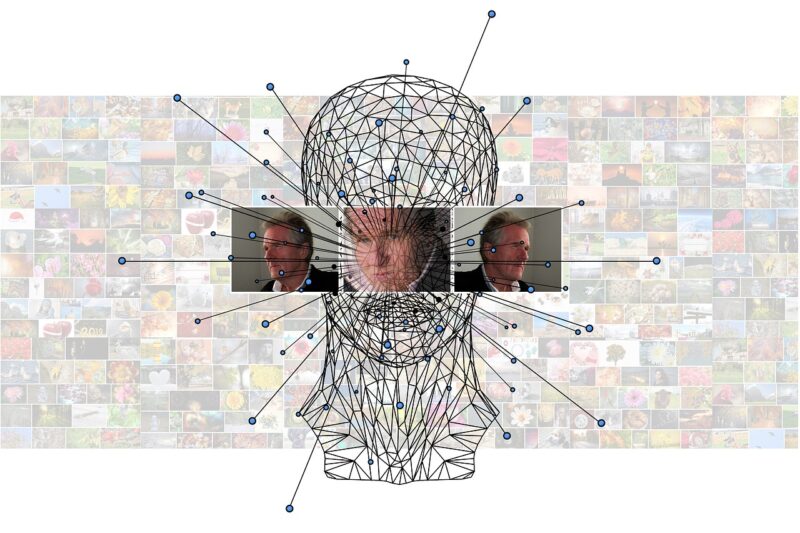
- Facial Recognition for Animals: AI can analyze unique markings and features of endangered species, creating a database that can aid in monitoring populations and preventing illegal hunting practices.
With these advancements, wildlife rangers can significantly enhance their efforts to protect endangered species, ensuring that many of these animals survive for future generations.
5. Engaging Communities and Raising Awareness
AI and ML are not only transforming the scientific aspects of conservation but are also changing how communities engage with their environment. This engagement is critical for sustainable conservation efforts:
- Citizen Science Initiatives: Mobile apps utilizing AI can encourage communities to report wildlife sightings, contributing valuable data to conservation efforts and fostering a sense of responsibility and ownership over local ecosystems.
- Educational Tools: Interactive platforms powered by AI can educate the public on biodiversity and conservation, maximizing outreach through engaging visualizations and tailored content.
- Social Media Monitoring: AI can analyze social media sentiment related to conservation issues, providing insights into public attitudes and helping tailor communication strategies for various audiences.
By bridging the gap between science and the public, AI encourages greater collaboration in conservation efforts, increasing both awareness and action toward environmental protection.
6. The Future of AI in Environmental Conservation
While AI and ML have shown remarkable promise in environmental conservation, ongoing research and innovation are necessary to further leverage these technologies. Future trends to watch include:
- Integration with IoT Devices: The convergence of AI with the Internet of Things (IoT) will enhance real-time monitoring and data collection, giving conservationists unprecedented insights into ecosystems, thus leading to more effective interventions.
- Improving Predictive Models: As more data becomes available, machine learning algorithms will continue to improve, leading to better predictive capabilities regarding ecosystem responses to various environmental pressures.
- Policy Inclusion: As awareness of AI’s potential grows, policymakers are likely to incorporate these technologies into environmental regulations and conservation strategies, facilitating a broader application of AI in protecting ecosystems.
The intersection of technology and conservation has never been more fruitful, and the future holds exciting prospects for AI’s role in helping ensure a sustainable planet.
Conclusion
AI and machine learning are fast emerging as transformative forces in environmental conservation. By enabling better monitoring of wildlife, enhancing habitat restoration, combating poaching, and engaging communities, these technologies offer hope for protecting our planet’s biodiversity against the backdrop of urgent environmental challenges. Adopting these innovative approaches could indeed be the key to a more sustainable future, allowing us to safeguard our ecosystems while embracing technological advancements.
As we stand at a critical juncture in the fight for environmental conservation, it’s essential that stakeholders—including scientists, policymakers, and the public—collaborate to ensure that AI is harnessed responsibly and effectively, paving the way for healthier ecosystems and a thriving planet.