A Beginner’s Guide to Home Brewing: How to Make Your Own Beer

Lily Harper
November 2, 2024
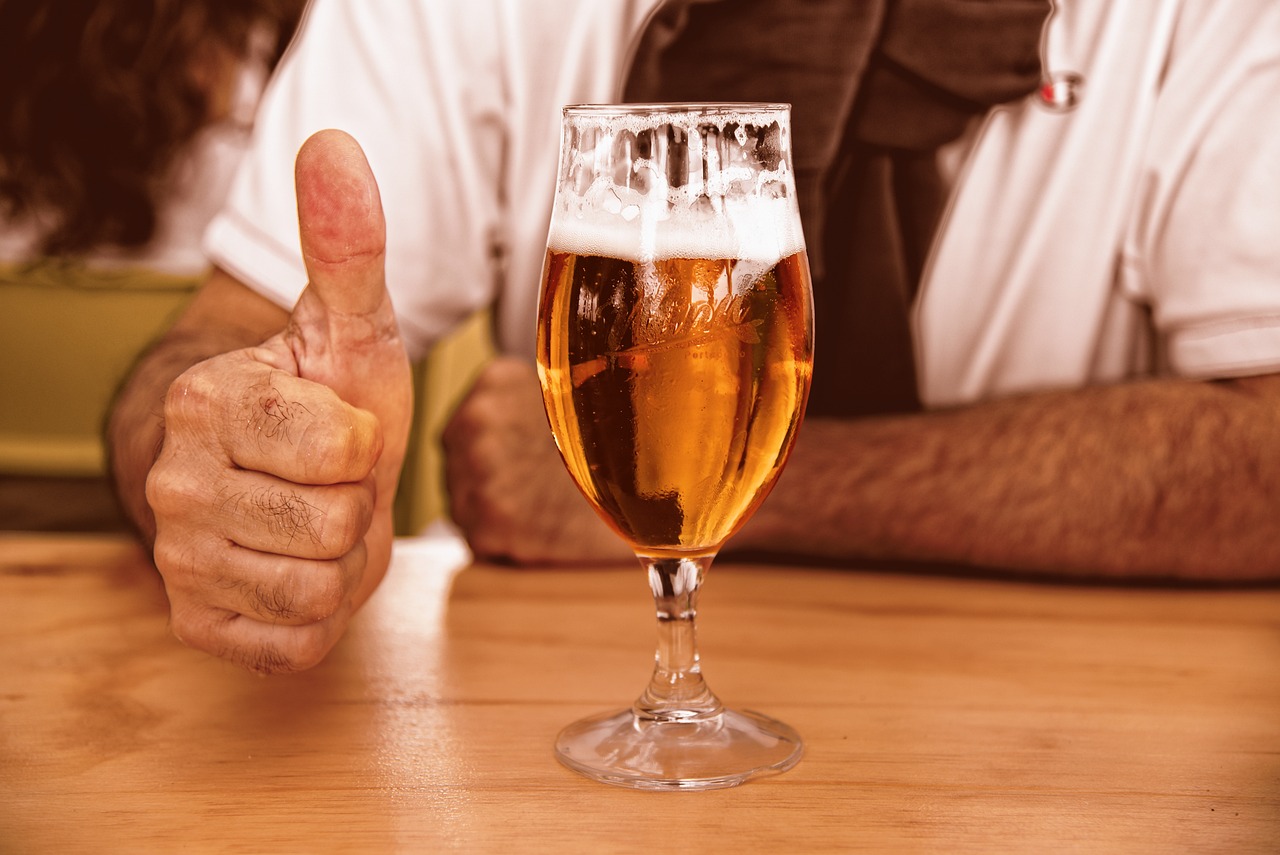
Home brewing is an exciting hobby that allows you to experiment with flavors, ingredients, and techniques to create your own unique beer. While the process may seem complex, with the right guidance, anyone can start brewing at home. This beginner’s guide covers the essential steps, ingredients, and equipment needed to make your first batch of beer.
1. Understanding the Basics of Home Brewing
Home brewing involves a few fundamental stages, including fermentation, bottling, and aging. Here’s a quick overview of the brewing process:
- Mash: The first step, where grains are soaked in hot water to release fermentable sugars.
- Boil: The wort (sugar water) is boiled, and hops are added to infuse flavor and bitterness.
- Fermentation: Yeast is added to the cooled wort to convert sugars into alcohol and carbonation.
- Bottling and Aging: Once fermentation is complete, the beer is bottled and left to carbonate and develop flavor.
Each of these stages plays a critical role in determining the taste, aroma, and quality of your homemade beer.
2. Essential Equipment for Home Brewing
To start brewing at home, you’ll need some basic equipment:
- Fermenter: A container, typically a glass or plastic carboy, for fermenting the beer.
- Airlock: Allows gases to escape during fermentation without letting air in.
- Boiling Pot: A large pot for boiling the wort, usually around 5 gallons.
- Hydrometer: Measures the specific gravity of the wort to monitor fermentation progress.
- Bottles and Caps: For bottling and storing the finished beer.
- Thermometer: Ensures accurate temperature readings during different stages of brewing.
These essentials will get you started, but as you gain experience, you can invest in more advanced brewing tools.
3. Ingredients Needed for Brewing
Brewing beer at home requires four main ingredients:
- Water: The primary ingredient, so it’s essential to use clean, filtered water.
- Grains: Typically malted barley, which provides fermentable sugars and flavor.
- Hops: Add bitterness, flavor, and aroma, balancing the sweetness of the malt.
- Yeast: Converts sugars into alcohol and carbonation during fermentation.
These ingredients form the base of most beers, but you can experiment with varieties to create your own flavors.
4. Step-by-Step Guide to Brewing Your First Batch
Follow these steps to brew your first batch of beer:
Step 1: Sanitize Your Equipment
Cleanliness is crucial in brewing. Make sure all equipment is sanitized to avoid contamination.
Step 2: Heat the Water and Mash the Grains
Heat water to around 150-160°F, add the grains, and let them steep to extract sugars. After about an hour, remove the grains, leaving you with the wort.
Step 3: Boil the Wort and Add Hops
Bring the wort to a boil and add hops according to the recipe. The hops will add bitterness and aroma.
Step 4: Cool the Wort
After boiling, cool the wort as quickly as possible. Many brewers use an ice bath or a wort chiller for this step.
Step 5: Add Yeast and Start Fermentation
Transfer the cooled wort to your fermenter, add the yeast, seal with an airlock, and let fermentation begin. This process usually takes one to two weeks.
Step 6: Bottle the Beer
Once fermentation is complete, bottle your beer, adding a small amount of sugar to each bottle for carbonation.
Step 7: Age and Enjoy
After bottling, let the beer age for a few weeks to develop flavor and carbonation. Then, enjoy the fruits of your labor!
5. Tips for Successful Home Brewing
To ensure a smooth brewing experience, keep these tips in mind:
- Follow Recipes: For your first few batches, stick to established recipes to learn the basics before experimenting.
- Be Patient: Fermentation and aging take time, so don’t rush the process.
- Keep a Brewing Journal: Track each batch’s ingredients, times, and results to refine your process.
- Experiment with Flavors: Once comfortable, try adding fruits, spices, or herbs to create unique brews.
These tips can help improve your brewing skills and lead to tastier results.
6. Common Mistakes to Avoid
Learning to brew comes with some trial and error. Here are a few common mistakes to avoid:
- Poor Sanitation: Not properly sanitizing equipment can ruin a batch, so always prioritize cleanliness.
- Incorrect Temperature Control: Too high or low temperatures can affect fermentation, so monitor carefully.
- Impatience: Skipping steps or rushing can lead to off flavors, so give the beer time to develop.
Being mindful of these mistakes will help you achieve better consistency and quality in your brews.
Conclusion
Home brewing is a rewarding and creative process that allows you to craft your own beers. By understanding the basics, gathering essential equipment, and following careful steps, you’ll be on your way to brewing delicious, homemade beer. Whether you stick to traditional recipes or experiment with unique flavors, home brewing offers endless possibilities. Grab your equipment, choose your ingredients, and start brewing today!