How Military Drones Are Changing Warfare and the Ethical Questions They Raise

Ryan Pierce
November 12, 2024
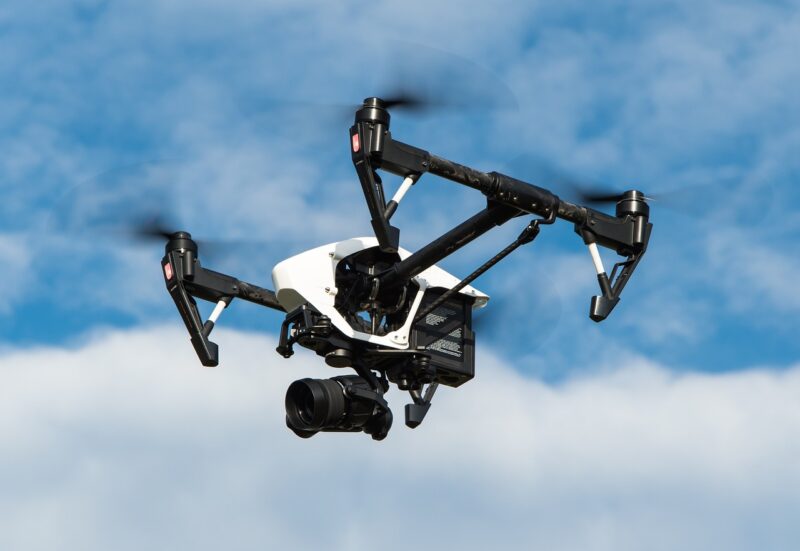
Military drones, also known as unmanned aerial vehicles (UAVs), have revolutionized modern warfare dynamics. They offer a new paradigm of combat, transforming how military operations are conducted and introducing numerous ethical considerations that are increasingly at the forefront of public and academic discourse. In this article, we will explore both the technological advancements of military drones and the complex moral questions that accompany their use.
1. The Evolution of Military Drones
The use of drones in military operations is not a new concept. Their origins date back to World War I when they were first conceived as a means to conduct reconnaissance. Over the decades, advancements in technology have propelled drones to the forefront of military strategy, particularly following the events of September 11, 2001.
As of 2023, military drones come in various shapes and sizes, equipped with advanced surveillance equipment, weapons, and artificial intelligence that enhance their capabilities. The key types of military drones include:
- Reconnaissance Drones: These are designed for surveillance and intelligence gathering, allowing military forces to monitor enemy movements without putting personnel in harm’s way.
- Combat Drones: Equipped with weapons, these drones can carry out targeted strikes against enemy forces, providing an effective means of striking from a distance.
- Combat Support Drones: These assist troops on the ground by providing real-time intelligence and coordinating ground forces through data transmission.
The rapid development of drone technology has enabled militaries to deploy these systems in various combat operations, proving their effectiveness in minimizing casualties for military personnel while maximizing operational effectiveness.
2. Advantages of Military Drones
The benefits of utilizing military drones are manifold, ranging from strategic to operational advantages:
- Risk Reduction: Drones allow for the execution of high-risk missions without endangering pilot lives. This technological shift not only saves personnel but also provides a more robust response option.
- Cost-Effectiveness: Compared to traditional manned aircraft, drones are often less expensive to operate and maintain, enabling militaries to allocate resources more efficiently.
- Enhanced Surveillance Capabilities: Drones equipped with advanced sensors can gather extensive reconnaissance data, providing real-time information and conducting long-duration missions that exceed human capabilities.
- Precision Strikes: Modern drones are capable of executing pinpoint strikes with minimal collateral damage, which is crucial in urban and populated areas where maintaining civilian safety is paramount.
These advantages reflect how military drones have reshaped conventional warfare, allowing for strategies that prioritize efficiency and reduced risk.
3. Ethical Questions Surrounding Military Drones
While military drones bring significant benefits, they also raise critical ethical concerns, which are important to address:
- Dehumanization of Warfare: The use of drones can lead to a detachment from the realities of war. Operators often remotely control drones from thousands of miles away, raising questions about compassion and accountability when civilian casualties occur.
- Civilian Casualties: Despite the ability to conduct precision strikes, military drones have been associated with significant civilian casualties in conflict zones. Mistaken targeting and intelligence failures can lead to the loss of innocent lives, complicating the moral justifications of drone warfare.
- Sovereignty Issues: The use of drones for military operations often occurs without the consent of the countries in which strikes are executed. This raises concerns about violations of sovereignty and international law, as nations grapple with the legality of unilateral attacks.
- Blurring of War Ethics: The remoteness of drone warfare challenges traditional notions of combat ethics, including rules of engagement and the just war theory, as they create a disparity between combatants and civilians.
These ethical dilemmas necessitate a comprehensive dialogue surrounding the use of military drones. Policymaking, regulations, and military protocols are essential to address the moral implications of drone warfare responsibly.
4. The Future of Military Drones
As drone technology evolves, their roles in military operations will continue to expand. The development of artificial intelligence and machine learning may further enhance drones’ capabilities, leading to autonomous decision-making processes in combat.
The implications of autonomous drones present unprecedented ethical questions about accountability should these systems make decisions resulting in civilian casualties. Additionally, the potential arms race surrounding drone technology warrants careful international monitoring to prevent escalation and misuse.
Potential Future Developments Include:
- Increased Autonomy: More sophisticated AI may lead to fully autonomous drones, which would raise severe ethical and legal concerns regarding the delegation of life-and-death decisions to machines.
- Enhanced Security Measures: As drone warfare becomes more prevalent, nations are likely to develop more advanced defenses against drones, including electronic warfare systems that can disrupt their operation.
- Greater Regulation and Oversight: There is a pressing need for international laws and frameworks governing the use of military drones, especially concerning their deployment in conflict zones.
Understanding these potential future developments is vital for responsibly navigating the evolving landscape of military drones and their implications for global security.
Conclusion
Military drones are undoubtedly changing warfare and challenging traditional concepts of ethics and accountability. While their benefits in terms of effectiveness and efficiency in military operations are evident, they are accompanied by complex moral dilemmas that society must confront. As military forces adopt drone technology and its enhancements continue, fostering a comprehensive dialogue about the ethical implications of drone warfare is crucial. Addressing these questions not only influences policy and military strategy but shapes the future of warfare itself.
In conclusion, the discourse surrounding military drones goes beyond technology; it embodies a critical examination of humanity’s responsibility in war and conflict resolution. Moving forward, it is imperative for policymakers, military leaders, and philosophers alike to engage in meaningful discussions that guide the ethical deployment of military drones in the complex landscape of global warfare.