How the Metric System Spread Across the World and Why Some Resisted It

Emily Carter
November 12, 2024
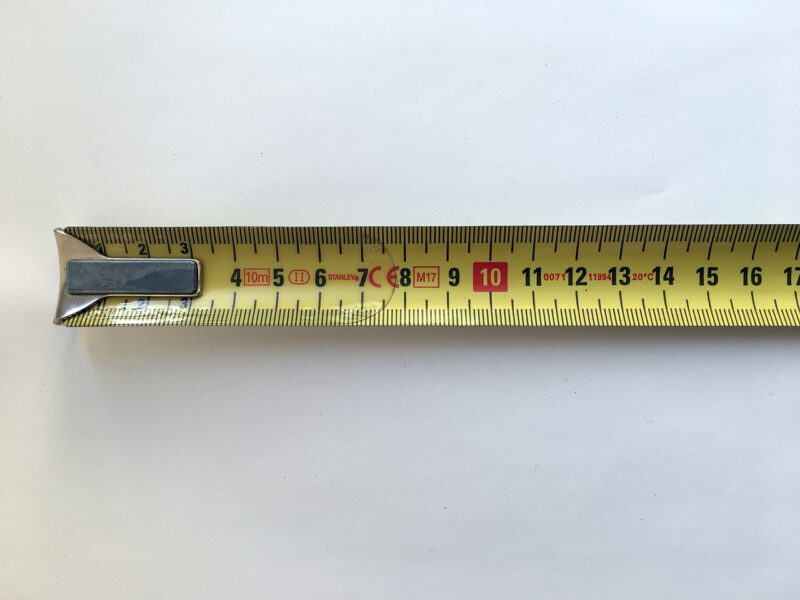
The metric system, a universally accepted decimal-based measurement system, has transformed how we perceive and quantify the world around us. From scientific research to daily life, the metric system plays a critical role in ensuring uniformity and precision across various fields. But how did this system originate, spread across the globe, and why did certain regions resist its adoption? This article delves into the compelling history of the metric system, its global dissemination, and the various factors contributing to its resistance.
1. The Birth of the Metric System
The roots of the metric system can be traced back to the late 18th century during the French Revolution. The existing systems of measurement were seen as inconsistent, confusing, and deeply tied to local customs. This limitation prompted French leaders to create a universal measurement system that could enhance trade, aid scientific research, and embody the principles of equality and reason set forth by the revolution.
The metric system was officially adopted in France in 1795, introducing foundational units such as the meter for length, the kilogram for mass, and the second for time. This new system aimed to be logical and decimal-based, simplifying calculations and making it easier for common people to understand.
2. The Spread of the Metric System
The acceptance of the metric system was gradual and varied across countries. Key milestones in its global dissemination include:
- 1820s: Several European countries, including Belgium and Switzerland, adopted the metric system, influenced by the ideals of the Enlightenment and the French Revolution.
- 1875: The Treaty of the Meter was signed in Paris by 17 nations, creating the International Bureau of Weights and Measures (BIPM), which standardized metric measurements internationally.
- 20th Century: Nations including Japan, China, and India embraced the metric system as part of modernization efforts, recognizing its benefits for trade and scientific advancement.
- Late 20th Century: Many American industries began to adopt metric units, driven by global trade demands and scientific community pressures, even though the United States has not officially adopted it.
The metric system’s rise was aided by its simplicity and ability to integrate seamlessly with new technologies arising during the Industrial Revolution.
3. Resistance to the Metric System
Despite its advantages, several regions resisted adopting the metric system. Key reasons for this resistance include:
- Cultural and Historical Ties: In many countries, traditional measurement systems are embedded in the culture and history, making them a source of national pride. For example, the United States’ reluctance can be traced to its established customs and the nostalgic value of the imperial system.
- Economic Concerns: Transitioning to the metric system often requires significant investment in education, equipment, and infrastructure changes. Companies and governments may oppose the costs associated with making this shift, especially if existing systems work well enough for current needs.
- Political Factors: The adoption of the metric system is sometimes perceived as a form of imperialism, particularly in former colonies where the system is seen as an extension of European control and ideology. Consequently, the resistance might be rooted in nationalism or anti-colonial sentiment.
These factors have created a complex landscape where the metric system is celebrated in some regions while viewed with suspicion in others.
4. Case Studies of Resistance
Several notable examples highlight resistance to the metric system:
- The United States: Although the U.S. formally recognized the metric system with the Metric Act of 1866, it has never been completely adopted. This reluctance is tied to the country’s extensive use of the imperial system in sectors like construction, manufacturing, and everyday commerce. The sentiment that “if it isn’t broken, don’t fix it” prevails, resulting in ongoing debates about switching to metric.
- The United Kingdom: The UK’s transition to the metric system has faced hurdles, particularly in sectors such as pub measurements (pints) and road signs (miles). Though legally metric since 1995, cultural resistance remains strong.
- Other Countries: Several nations, especially in Africa and the Middle East, have faced political and economic instability, hindering the transition from traditional systems of measurements to the metric system even if the benefits are evident.
These case studies illustrate how emotional, political, and economic factors intertwine to foster resistance to the metric system.
5. The Future of the Metric System
The metric system continues to evolve, meeting the demands of a rapidly changing world. As globalization and international cooperation grow, there is hope that the metric system will gradually be embraced around the globe, even in resistant regions. The rise of science and technology as drivers of modern education may also increase exposure to the metric system, making its adoption a necessity for future generations.
Education plays a pivotal role in this shift. By introducing younger generations to the metric system early on, nations can foster an understanding and appreciation for its benefits and necessity in a globalized society.
Conclusion
The journey of the metric system demonstrates the complexities of cultural and societal changes regarding measurement standards. While its adoption has provided countless benefits in fields such as science, commerce, and trade, resistance remains an essential aspect of understanding global dynamics. By examining the history and future of the metric system, we can appreciate the various influences that shape our understanding and use of measurement globally.
As we move forward, recognizing the historical significance and practical necessity of the metric system could lead to debate and possibly, greater acceptance worldwide.