The Most Extreme Weather Patterns on Earth and the Forces Behind Them

Sophia Chen
November 12, 2024
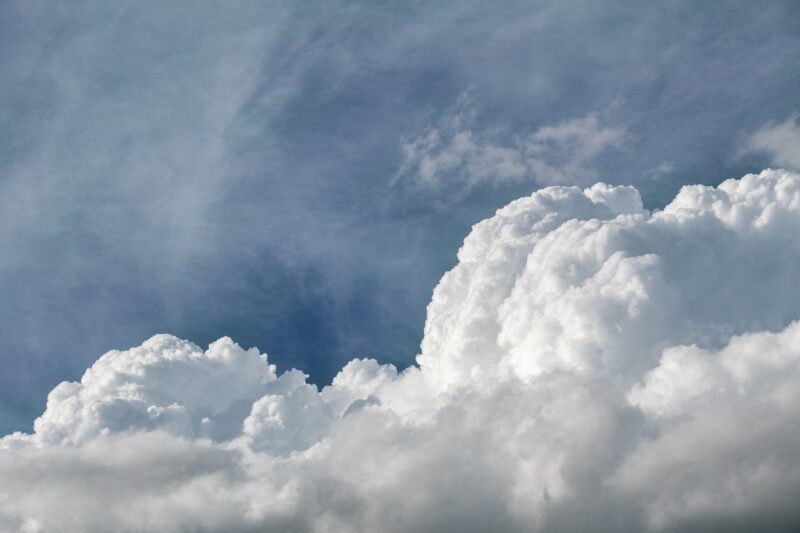
Weather is a complex system, interlinked with environmental dynamics and influenced by countless factors. On our planet, weather can be both beautiful and devastating, leading to remarkable extremes. From torrential hurricanes and scorching heatwaves to bone-chilling blizzards and torrential downpours, these extreme weather patterns can leave lasting impacts on our world. In this article, we will explore some of the most extreme forms of weather, the forces that drive them, and their consequences on the environment and society.
1. Understanding Extreme Weather Patterns
Extreme weather refers to unusual, severe, or unseasonal weather conditions. These phenomena are significantly different from the average climate of a region and can pose hazards to human life, infrastructure, and ecosystems. Common examples include hurricanes, tornadoes, droughts, and heavy rainfall.
Extreme weather events are monitored and reported by meteorologists, who use various tools and technologies to predict their occurrences. Understanding these events is crucial to preparing for their potential impact.
2. Categories of Extreme Weather
Extreme weather can be categorized into various types:
- Heatwaves: Prolonged periods of excessively high temperatures that can have drastic health effects on human populations, especially the elderly.
- Tropical Storms and Hurricanes: Powerful storms characterized by strong winds and heavy rainfall. They are fueled by warm ocean waters and can cause devastating flooding and property damage.
- Tornadoes: Violently rotating columns of air extending from thunderstorms to the ground, they are known for their destructive power and can destroy buildings and vegetation.
- Floods: Overflow of water onto land that is usually dry, often resulting from heavy rainfall or snowmelt. Floods can devastate communities, destroy infrastructure, and lead to loss of life.
- Blizzards: Severe snowstorms accompanied by strong winds and low visibility. They can disrupt travel and create hazardous living conditions.
- Droughts: Extended periods of below-average precipitation, leading to water shortages and affecting agriculture and ecosystems.
3. The Forces Behind Extreme Weather
Several atmospheric and environmental conditions contribute to the formation of extreme weather patterns:
- Temperature Variations: Warm air can hold more moisture than cold air, which can lead to intense precipitation, storms, and severe weather when the warm air rises and cools, causing condensation.
- Pressure Systems: High-pressure systems can lead to clear skies and heatwaves, while low-pressure systems are often associated with storms and precipitation.
- Jet Stream: This high-altitude conveyor of air plays a critical role in influencing weather patterns and can lead to severe winter weather or unseasonably warm temperatures when it shifts its normal pattern.
- El Niño and La Niña: These periodic climate patterns in the Pacific Ocean can significantly alter weather worldwide, causing everything from increased rainfall to droughts across different regions.
- Climate Change: As global temperatures rise due to human activities, extreme weather events have become more frequent and severe, with more heatwaves, heavy rainfall, and other phenomena noted by scientific studies.
4. Notable Examples of Extreme Weather Events
Here are some extreme weather events that have occurred in recent memory, showcasing the severe impacts these phenomena can have:
- Hurricane Katrina (2005): This catastrophic hurricane struck the Gulf Coast of the United States, particularly affecting New Orleans, leading to widespread destruction and loss of life.
- European Heatwave (2003): An intense heatwave swept across Europe, causing heat-related deaths in the tens of thousands and significant agricultural damage.
- Typhoon Haiyan (2013): One of the strongest tropical cyclones ever recorded, it devastated parts of Southeast Asia, particularly the Philippines, resulting in widespread destruction.
- Tornado Outbreak (Joplin, Missouri, 2011): A series of tornadoes struck the Midwest United States, including an EF5 tornado that obliterated large portions of Joplin.
- California Wildfires (multiple years): Rising temperatures and prolonged drought conditions have led to increasingly destructive wildfire seasons in California.
5. Consequences of Extreme Weather
The ramifications of extreme weather patterns are profound and often multifaceted:
- Human Impact: Loss of life, displacement of communities, and widespread health issues stemming from heat, flooding, or air quality degradation.
- Economic Costs: Damage to infrastructure, loss of crops and livestock, and costs associated with recovery and rebuilding can place a significant burden on local and national economies.
- Environmental Changes: Altered ecosystems, habitat loss for numerous species, and long-term changes to landscape due to erosion or sediment deposition.
- Social Disruptions: Increased migration due to environmental changes, strained resources in vulnerable areas, and growing socio-economic disparities.
6. Preparing for Extreme Weather
Preparation is crucial to mitigate the impacts of extreme weather:
- Emergency Plans: Individuals and communities should have preparedness plans in place to respond to various emergencies, including evacuation routes and communication strategies.
- Community Awareness: Education on extreme weather patterns and emergency protocols can empower communities to react swiftly and effectively.
- Infrastructure Resilience: Building codes and urban planning should incorporate resilience measures to withstand extreme weather, like elevating structures in flood-prone areas.
- Policy and Governance: Local and national policies should prioritize climate adaptation and investment in early warning systems to enhance readiness against extreme weather events.
Conclusion
Extreme weather is an ever-present reality of our planet, driven by natural forces and exacerbated by climate change. As these weather patterns become increasingly severe, understanding their causes, impacts, and preparation strategies is vital for individuals, communities, and governments. By fostering awareness and resilience, we can better navigate the challenges posed by extreme weather and work towards a more sustainable future.