The Engineering Feats Behind the World’s Largest and Heaviest Trucks

Ryan Pierce
November 11, 2024
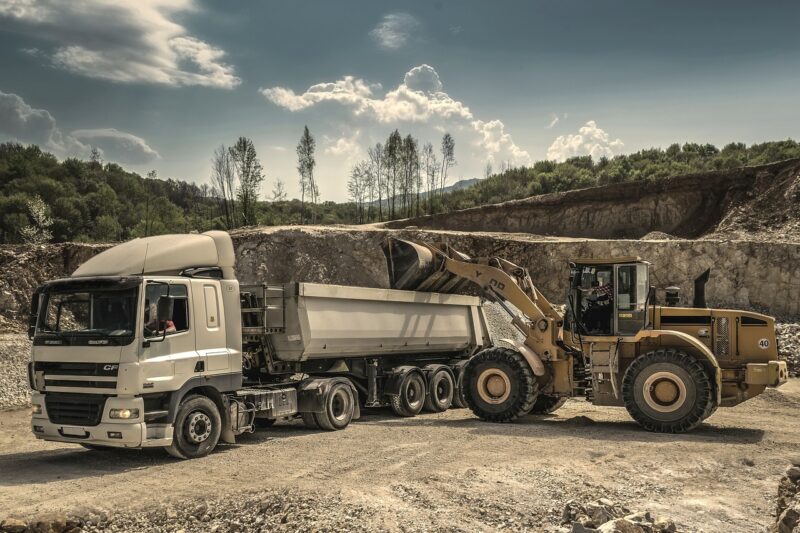
When it comes to the magnificent machines that traverse our planet, few vehicles are as awe-inspiring as the world’s largest and heaviest trucks. These colossal giants are engineered to fulfill specific roles in demanding environments, such as mining, construction, and heavy transport. From their immense size to their robust capabilities, they are a testament to what modern engineering can achieve.
1. The Scale of the Giants: An Overview
The largest and heaviest trucks in the world are predominantly used in the mining industry, specifically in surface mining operations. These vehicles are designed to haul massive loads of extracted materials, such as coal, iron ore, and copper.
One prominent example is the BHP Billiton’s Caterpillar 797F, which holds the record for the world’s largest production truck. Here are some astonishing statistics about this engineering marvel:
- Length: 20.6 feet (6.3 meters)
- Height: 14.9 feet (4.5 meters)
- Width: 40.5 feet (12.3 meters)
- Payload Capacity: 400 short tons (approximately 363 metric tonnes)
- Engine Power: 4,000 horsepower
These figures not only showcase its dimensions but also highlight the engineering challenges involved in constructing such machinery.
2. Engineering Innovations: What Makes Them Unique
A myriad of engineering innovations contribute to the functionality and efficiency of these massive trucks. Here are some noteworthy technologies integrated into their designs:
2.1 Advanced Suspension Systems
The sheer weight and size mean that traditional suspension systems would simply not work. These giants utilize sophisticated suspension systems that include large shock absorbers and air suspension technology. These features allow them to carry heavy loads over rugged terrains, absorbing shocks from bumps and inclines effectively.
2.2 Powerful Engines
The engines powering these trucks are marvels in their own right. Caterpillar trucks employ diesel engines that generate upwards of 4,000 horsepower. This power is crucial for moving massive loads and maintaining speed on steep gradients, which can be as high as 10%.
Additionally, modern trucks focus on emissions standards, leading to advancements in emission control technologies to reduce their environmental footprint.
2.3 Tire Technology
The tires of these trucks are engineered to withstand immense stress. For instance, the tires on a Caterpillar 797F can weigh over 5,000 pounds each! They are constructed using specially formulated compounds designed for durability and traction, allowing safe navigation across challenging mining terrains.
3. The Role of Scale Models and Simulations
Before constructing these enormous machines, engineers rely on scale models and computer simulations to assess their performance in various scenarios. Advanced software allows for virtual testing of factors such as:
- Load Distribution: Ensuring even load distribution to prevent tipping under various conditions.
- Engine Efficiency: Assessing how efficiently engines perform under different loads.
- Durability Tests: Simulating long-term use under extreme conditions to predict potential failures.
This rigorous assessment ensures that trucks can handle the demanding tasks they face.
4. Environmental Considerations
As industries focus more on sustainable practices, the large truck manufacturing sector is also adapting. Innovative practices include:
- Alternative Fuel Sources: Engineering teams are exploring hybrid and electric solutions to reduce reliance on diesel fuels, thereby lowering emissions.
- Recyclable Materials: Utilizing materials that can be recycled at the end of a truck’s lifespan helps lessen environmental impact.
These efforts not only help in complying with increasingly stringent regulations but also show a commitment to a more sustainable future in heavy-duty transport.
5. Iconic Trucks Around the Globe
Aside from the Caterpillar 797F, there are several other trucks that have left their mark on the heavy-duty landscape:
- BelAZ 75710: Known as the world’s largest mining truck with a payload capacity of 450 tons, it has a unique design featuring two axles but four tires per axle.
- Komatsu 980E-4: This truck is known for its combination of power and efficiency, designed for large mining operations while offering lower operational costs.
- Terex MT6300AC: This electric drive truck has the ability to transport up to 400 tons, focusing on fuel efficiency and reduced downtime.
With each new model introduced, the quest for efficiency and sustainability continues to drive innovation.
6. Conclusion: The Future of Heavy-Duty Trucks
As technology evolves, so too does the design and functionality of the world’s largest trucks. Investing in research and development will continue to yield advances that not only push the boundaries of size and capability but also create a more sustainable and responsible industry. In a world where every ton counts, these trucks define what is possible through engineering, making them truly remarkable feats of human ingenuity.
Whether you’re fascinated by their engineering design, their immense capabilities, or their placed role in our industries, large trucks will continue to be a prevalent symbol of power and efficiency in the years to come.