The Secrets Behind Air Traffic Control and How It Keeps the Skies Safe

Sophia Chen
November 11, 2024
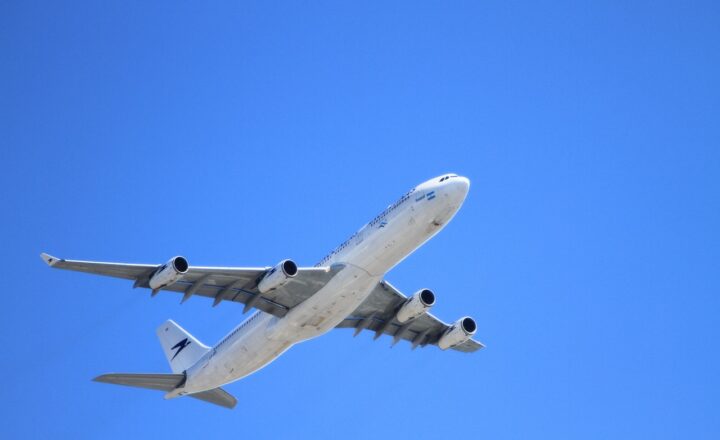
Air travel is one of the most complex modes of transportation man has devised, involving millions of flights carrying billions of passengers every year. Yet, the seamless organization of this massive operation is often taken for granted. At the heart of this intricate system lies air traffic control (ATC), an essential service that ensures that aircraft are kept safe and guided through their journeys from departure to arrival. This article dives into the secrets behind air traffic control, its processes, technology, and pivotal role in maintaining safety in our skies.
1. What is Air Traffic Control?
Air traffic control is primarily concerned with the separation of aircraft in the sky and on the ground. The service is responsible for ensuring safe and efficient operations by managing the flow of air traffic to prevent collisions. ATC works through a system of communication, procedures, and technology that coordinate and direct aircraft during various phases of flight.
2. The Structure of Air Traffic Control
ATC is structured into several key components:
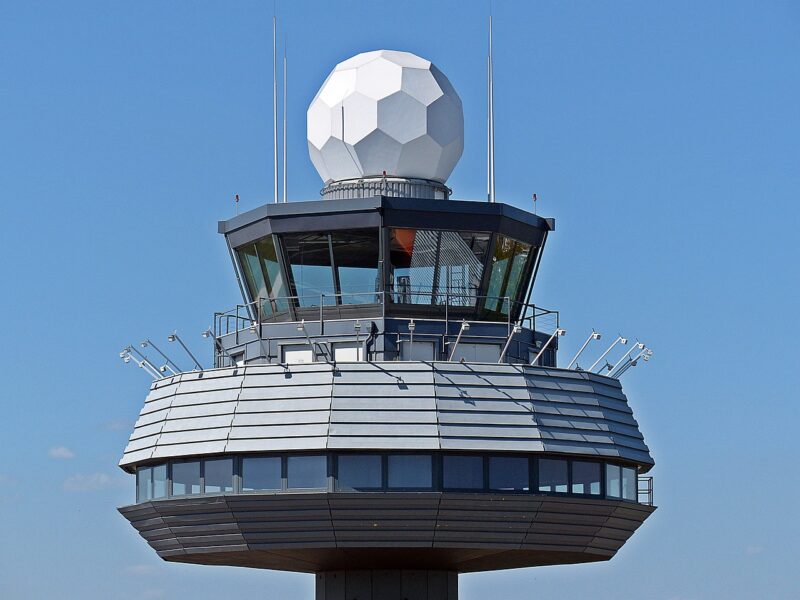
- Tower Control: Located at airports, tower controllers manage aircraft as they taxi on the runways and approach for landing. They ensure that aircraft are spaced adequately on the ground and maintain safe distances during takeoff and landing.
- Approach Control: This division manages aircraft as they approach an airport. They guide planes from high altitudes into the proper approach routes, ensuring a safe and orderly arrival at the destination airport.
- En Route Control: Also known as area control, this division oversees aircraft flying at cruising altitudes. Their responsibility is to manage the flow of traffic over vast areas and provide instructions about altitude changes and course corrections.
Each level of ATC communicates seamlessly with the next, creating a cohesive system that manages flight safety. Each controller undergoes rigorous training to ensure they can handle the high-stress environment inherent in air traffic management.
3. How Air Traffic Control Works in Real-Time
The operations of ATC begin long before an aircraft takes off. Here’s a breakdown of the process:
- Pre-flight Coordination: Before an aircraft takes off, pilots file a flight plan that outlines the route, altitude, and other important information. ATC reviews these plans to ensure there’s sufficient spacing between aircraft and that the route is safe and efficient.
- Takeoff Clearance: Once ready to leave, pilots request clearance from tower control to taxi to the runway and take off. Controllers communicate with pilots, providing instructions and updates as needed.
- In-flight Management: En route controllers monitor aircraft altitude and position using radar technology. They provide instructions related to airspace changes, weather updates, and upcoming traffic to maintain safety and efficiency.
- Landing & Arrival Procedures: As the aircraft closes in on the destination airport, approach control takes over. They guide the plane to a safe landing, coordinating with tower control for final instructions on when to land.
This precise coordination ensures that aircraft remain separated, reducing the risk of mid-air collisions, which can lead to disastrous consequences.
4. The Technology Behind ATC
Modern air traffic control relies on a wide variety of technology to perform its functions:
- Radar Systems: Radar allows controllers to visualize the position of aircraft in their airspace. Primary radar detects reflections from the aircraft, while secondary radar communicates with transponders to collect more detailed data about an aircraft’s altitude and velocity.
- Automated Systems: Advanced systems, such as the Automated Terminal Information Service (ATIS), provide pilots with vital weather and airport information automatically, minimizing the workload for controllers.
- Communication Systems: Controllers communicate with pilots using High Frequency (HF) radio, Very High Frequency (VHF) radio, and satellite communication to relay vital instructions and updates throughout the flight process.
- Flight Data Processing Systems (FDPS): These systems help controllers manage and visualize information, allowing for timely decision-making and efficient air traffic routing.
The evolution of technology in ATC has significantly improved air travel safety and efficiency, enabling controllers to manage increasingly busy airspaces.
5. The Role of Air Traffic Controllers
The personnel in ATC are highly trained professionals responsible for maintaining safety. Major roles include:
- Safety Analysis: Controllers must monitor air traffic and film potential risks in real-time, adjusting flight operations according to evolving situations such as weather changes and aircraft emergencies.
- Decision Making: Controllers must make quick and calculated decisions under immense pressure. This includes giving instructions to pilots and determining the safest routes for landing and takeoff.
- Communication Skills: Clear and precise communication is essential in ATC. Controllers must convey vital information concisely to ensure that pilots can respond quickly and correctly to instructions.
Because of the high stakes, air traffic controllers often work in shifts to prevent fatigue, which can impair decision-making and reduce alertness crucial for air safety.
6. Challenges Facing Air Traffic Control
While ATC plays a critical role in air travel safety, it faces several challenges:
- Increasing Air Traffic: The sharp increase in air travel demand has led to more crowded skies. Balancing heightened traffic and safety requires continuous adjustments to airspace management and technology upgrades.
- Technological Advancements: With the rise of new technologies such as drones and urban air mobility vehicles, ATC must adapt its procedures and communications to accommodate these innovations safely.
- Weather Conditions: Severe weather can dramatically impact flight safety, requiring controllers to reroute aircraft, ground planes, or delay operations to ensure safety, which can disrupt schedules significantly.
The continuous enhancement of ATC systems, alongside better collaboration among international air traffic controllers, helps mitigate these challenges and keep air travel safe.
7. Conclusion: The Unsung Heroes of the Skies
Air traffic controllers are the unsung heroes of the sky, working tirelessly behind the scenes to ensure every flight is safe, efficient, and organized. Their position requires extensive training, sharp decision-making skills, and advanced technological support. As we continue to rely heavily on air travel, understanding the critical role of ATC is essential for acknowledging the complexities and the dedicated professionals employed in this field. The secrets behind air traffic control not only illustrate the intricacies involved in aviation but reflect the commitment to safety and efficiency that keeps our skies secure.
Knowing how air traffic control works gives us a deeper appreciation for those who maintain the delicate balance of controlling the skies, shedding light on the vital importance of each flight that takes to the air.