What It’s Like to Fly a Vintage Warplane in Today’s Airspace

Oliver Sutton
November 11, 2024
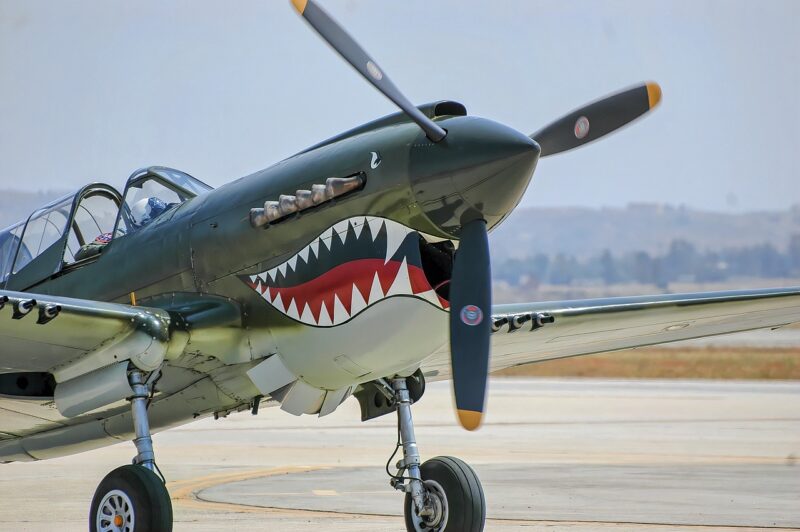
Flying a vintage warplane is nothing short of an exhilarating experience that few get to partake in. Imagine being at the helm of a historic aircraft, where every cockpit switch and throttle lever not only serves a purpose but also carries with it a rich tapestry of aviation history. For aviation enthusiasts, pilots, and even mere spectators, the allure of warplanes evokes a sense of nostalgia and admiration for the engineering marvels that fought in conflicts past.
1. The Charm of Vintage Warplanes
Vintage warplanes—be it a Spitfire, Mustang, or Corsair—hold a unique charm with their wooden propellers, rounded wings, and intricate designs. They possess a character that modern aircraft often lack, representing a time when aviation was struggling to establish itself as a reliable mode of transport and military might.
These are not just machines; they are pieces of history with tales woven into the fabric of their aluminum skin. Pilots who fly these aircraft are not merely engaging in a recreational pastime; they are custodians of history, keeping alive the stories of bravery, sacrifice, and the pioneering spirit.
2. Before the Flight: Preparation and Training
Preparation for flying a vintage warplane begins long before you enter the cockpit. Pilots often undergo specialized training to get accustomed to the idiosyncrasies of these aircraft. Each model has its nuances that set it apart. For instance:
- Spitfire: Known for its agility and speed, pilots undergo rigorous training in handling its unique controls compared to modern jets.
- B-17 Flying Fortress: The massive multi-engine bomber requires a solid understanding of its coordination due to its weight and power.
- Corsair: With its distinct gull wing, the Corsair demands respect and understanding of its landing and takeoff characteristics due to its powerful engine and lower visibility on the ground.
Instructors often emphasize the importance of a pre-flight check and familiarize pilots with emergency protocols, which may differ significantly from today’s commercial aircraft. A thorough understanding of the aircraft’s systems is essential, considering some of these warplanes have unique start-up procedures and even quirky idiosyncrasies that one must handle with care.
3. The Take-off: A Powerhouse Ignited
As you grip the control yoke and rev the engine, the anticipation builds. There’s something enchanting about feeling the rumble of old engines come to life, resonating from the working parts that have been in operation for decades.
Taking off in a vintage warplane is a different experience compared to modern aircraft. The sound is a thunderous roar, the vibrations are tactile, and the sense of connecting with history is palpable. As the aircraft accelerates down the runway, you feel the world falling away, and with a gentle pull back on the controls, the nose lifts up, breaking free from the constraints of the runway—an experience that epitomizes freedom.
4. In the Skies: Sensations and Challenges
Once airborne, the vintage warplane transforms into a different creature. Every rise and dip is felt viscerally. Unlike the computer-assisted flight of modern jets, flying a vintage model means relying heavily on your instincts and tactile feedback.
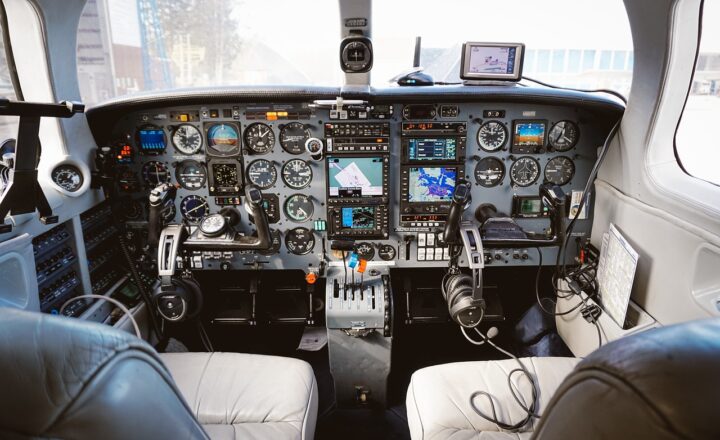
Inside the cockpit, it’s just you, the machine, and the vast ocean of sky. The sensation of flying these aircraft is raw and unpolished; the control surfaces are less responsive than those in modern jets, giving you a greater sense of connection with the aircraft.
However, flying a vintage warplane poses challenges that a modern pilot might not encounter. High-speed stalls can be more prevalent, and some aircraft have a tendency to pull to one side during landing. Pilots must remain vigilant and nimble, ready to respond to the plane’s behavior and make quick adjustments.
5. The Landing: A Delicate Touch
Landing a vintage warplane requires finesse. The approach angles can differ significantly from more modern aircraft, and gear placement is crucial for a safe return to earth. As you descend, the earth rises to meet you, and a soft, controlled landing is paramount. Pilots must be prepared to engage in a go-around if conditions are not ideal, maintaining control and calm as they reconcile the weight and balance of their aircraft.
Soaring through the air, experiencing history firsthand, and then executing a safe landing connects the entire experience—bringing the thrill of flight full circle.
6. The Community and Beyond
Flying vintage warplanes brings you into a vibrant community filled with passionate individuals who share a love for aviation history. From air shows to veteran meetings, the camaraderie among pilots and enthusiasts is palpable, filled with stories of heroism both in the cockpit and behind the scenes.
Organizations dedicated to preserving these aircraft often offer opportunities for public flights or displays, allowing more people to appreciate aviation’s historical significance. Volunteer services, fundraisers, and community events provide platforms for those who wish to contribute to the heritage of flight.
Additionally, vintage aircraft representation in educational programs enhances appreciation among younger generations, ensuring that the stories of those who flew them are never forgotten.
Conclusion: The Future of Vintage Aviation
Flying vintage warplanes isn’t just about the exhilaration of flight; it’s an emotional journey through history. The sense of pride that comes with being a part of something that transcends mere aviation is profound. As modern technology advances, the preservation and enjoyment of these vintage aircraft are crucial to acknowledge our past and embrace their unique beauty.
As more individuals embark on their flying dreams, vintage warplanes will continue to soar through today’s airspace, embodying the spirit of adventure, freedom, and shared history. Flying a piece of history is an experience unlike any other—an invitation to remember, honor, and celebrate the legacy of aviation.