How Fish Farms Are Changing the Way We Think About Seafood

Benjamin Parker
November 11, 2024
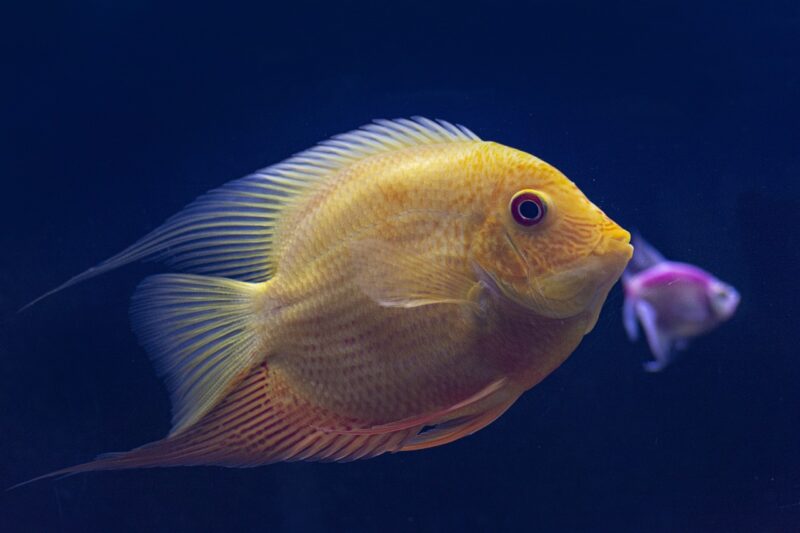
In recent years, the seafood industry has undergone a profound transformation, largely due to the technology and practices associated with fish farming, also known as aquaculture. This method of producing seafood has become a viable alternative to traditional fishing, promising sustainable solutions to overfishing and environmental concerns. In this article, we explore how fish farms are altering the landscape of seafood production and consumption, and the broader implications for the industry as a whole.
1. The Shift from Wild Catch to Farmed Fish
The demand for seafood has surged globally, putting pressure on wild fish populations. Overfishing has become a critical issue, threatening ecosystems and the livelihoods of communities dependent on fishing. According to the FAO (Food and Agriculture Organization), around 90% of the world’s fish stocks are either fully exploited or overfished.
Fish farming presents a solution to this crisis. With controlled breeding, feeding, and harvesting methods, aquaculture can significantly reduce the pressure on wild stocks, providing a more reliable supply of seafood to meet growing consumer demand. Today, over half of the fish consumed globally is farmed, with species like salmon, tilapia, and catfish leading the market.
2. Sustainable Practices in Aquaculture
The modern fish farming industry increasingly emphasizes sustainability. By employing practices that minimize environmental impact and ensure the health and welfare of fish, aquaculture can present a viable solution to the problems posed by traditional fishing. Key practices include:
- Effluent Management: Ensuring that waste products from fish farms do not pollute local waterways through effective filtration and recycling systems.
- Integrated Multi-Trophic Aquaculture (IMTA): This system uses a variety of species that benefit from each other’s waste, leading to a more sustainable and productive system. By incorporating plants, shellfish, and fish, farms can enhance biodiversity and reduce waste.
- Feed Innovation: Research into alternative feeds is underway to create diets that do not rely heavily on wild fish stocks, reducing dependence on fishmeal and fish oil.
Such innovations are not only beneficial for the environment but can also lead to healthier ecosystems in aquaculture settings. As a result, fish farming can help sustain the marine environment while providing food security.
3. Consumer Perception of Farmed Seafood
While the rise of fish farms offers tremendous benefits, consumer perception often poses a challenge. Some consumers express concerns about the quality and safety of farmed seafood. Issues such as disease outbreaks, habitat destruction, and the use of antibiotics or hormones have raised red flags in the minds of many.
However, advancements in aquaculture practices have addressed these concerns:
- Traceability: Many fish farms now employ traceability systems to ensure that consumers can verify the source and farming practices of the seafood they purchase. This transparency helps build trust with consumers.
- Certification Programs: Labels such as the Aquaculture Stewardship Council (ASC) and Best Aquaculture Practices (BAP) indicate that products meet environmental and social standards, helping consumers make informed choices.
The perception of farmed seafood is gradually changing as more consumers become aware of these practices and seek sustainably produced options.
4. The Role of Technology in Fish Farming
Technology is profoundly influencing fish farming, from breeding to feeding to monitoring conditions in aquaculture systems. Some key innovations include:
- Water Quality Monitoring: Sensors and IoT devices can constantly monitor the quality of water in fish farms, ensuring optimal conditions for fish health and growth.
- Automated Feeding Systems: These systems can optimize feeding schedules and quantities based on fish size and behavior, reducing waste and improving growth rates.
- Genetic Selection: Advances in genetics allow for the breeding of fish that grow faster, resist diseases, and are more efficient in converting feed into body mass.
These technological advancements not only increase productivity but also enhance the sustainability and welfare of fish farming operations.
5. Economic Implications of Fish Farms
Fish farming is not just crucial for environmental sustainability; it also presents significant economic opportunities. Aquaculture can generate jobs and support local economies, particularly in regions that may be struggling with declines in traditional fishing industries. In addition, fish farms can provide a consistent supply of seafood that can stabilize prices and reduce reliance on imports.
Furthermore, successful aquaculture businesses can export farmed fish, boosting trade and contributing to national economies. With global seafood consumption projected to rise, the potential for profitability in fish farming looks promising for those willing to invest.
6. Conclusion: The Future of Seafood Production
As we move forward, the relationship between consumers and seafood will continue to evolve. Fish farms represent a crucial shift towards more sustainable seafood production methods, addressing the pressing problems of overfishing and environmental degradation. With public awareness and acceptance growing, fish farms provide a solution to our global seafood needs while promoting better ecological practices.
As we rethink our seafood choices, investing in aquaculture not only supports sustainable practices but also ensures that future generations will enjoy the benefits of diverse and healthy seafood options. Embracing responsible aquaculture can lead to a thriving seafood industry that balances human needs with environmental stewardship.
When the next time you sit down to enjoy a seafood meal, consider the journey it has taken from the farm to your plate and the sustainable practices that are now paving the way for the future of oceanic resources.