The Most Efficient Transport Systems in the World and What We Can Learn from Them

Olivia Barrett
November 11, 2024
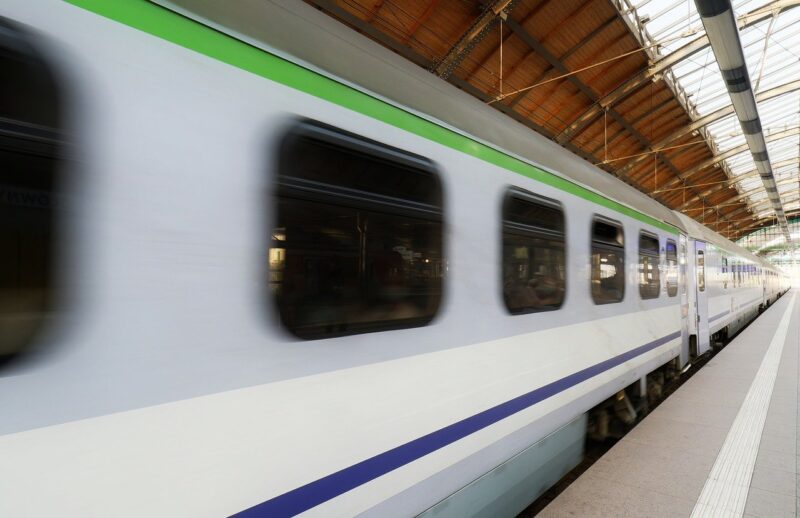
Throughout history, transport systems have played a crucial role in shaping societies and economies. From facilitating trade to enabling tourism, efficient transportation is at the heart of urban development and growth. In this article, we will explore some of the most efficient transport systems around the world, analyze their key features, and discuss valuable lessons we can apply in our communities.
1. The Importance of Efficient Transport Systems
An efficient transport system minimizes travel time, decreases congestion, and enhances accessibility, contributing significantly to economic productivity. Here are a few key benefits of efficient transport systems:
- Economic Growth: Efficient transport systems facilitate the movement of goods and people, thus powering financial and commercial activities throughout regions. Businesses can operate more effectively, resulting in higher GDP growth rates.
- Environmental Impact: Modern transport systems often incorporate green technologies and practices, helping to reduce carbon emissions and improve air quality. Sustainable transport solutions create a cleaner environment for future generations.
- Quality of Life: Reliable transportation options enhance the quality of life for residents by providing easy access to jobs, education, and leisure activities. It reduces stress and improves overall well-being for the community.
2. Case Studies of Efficient Transport Systems
Let’s delve into some standout examples of transport systems recognized globally for their efficiency:
2.1 Tokyo Metro, Japan
The Tokyo Metro is renowned for its punctuality, cleanliness, and safety. With an extensive network that supports millions of passengers each day, it operates on a well-coordinated schedule that rarely experiences delays.
Key Features:
- Extensive Network: Covering 1,500 kilometers, it connects urban and suburban areas, ensuring accessibility for all residents.
- Technology Integration: Smart card technology allows for seamless fare collection across multiple transport modes.
- Real-Time Information: Users receive live updates about train schedules and delays through user-friendly apps and screens at stations.
2.2 Singapore Mass Rapid Transit (MRT)
The MRT system in Singapore efficiently transports over 2 million passengers daily. It is a prime example of how integrating public transport with urban planning can create seamless connectivity within a city.
Key Features:
- Integrated Transport: The MRT is well-linked with bus services, making it convenient for passengers to transfer between modes of transport.
- Clean and Safe: The trains and stations are known for their cleanliness, ensuring a pleasant travel experience for passengers.
- Affordable Pricing: The MRT offers competitive rates that encourage the use of public transport, helping to reduce traffic congestion on the roads.
2.3 Amsterdam, Netherlands
Amsterdam stands out for its extensive cycling infrastructure, making it one of the most bicycle-friendly cities in the world. Approximately 63% of residents regularly cycle for their daily commute.
Key Features:
- Safe Cycling: Designated bike lanes ensure a safe environment for cyclists, minimizing accidents and encouraging cycling culture.
- Public Bicycle Systems: Bike-sharing programs make bicycles accessible to visitors and residents alike.
- Integration with Public Transport: Bicycles can be easily translated between public transport systems, providing a comprehensive travel experience.
3. Lessons Learned from Efficient Transport Systems
By analyzing these efficient transport systems, we can extract valuable lessons that can be adapted to other cities and communities around the globe:
3.1 Emphasis on Integration
Integrating different modes of transportation ensures seamless travel. Cities should aim to coordinate bus, train, tram, and cycling systems to enhance the accessibility of public transport for their residents.
3.2 Adoption of Technology
Utilizing technology to improve passenger experience is vital. Real-time updates, smart payment solutions, and user-friendly applications contribute significantly to making transport systems more efficient and user-centered.
3.3 Sustainability Matters
Transport systems should prioritize sustainable practices. Implementing clean technologies and promoting greener alternatives like cycling and walking can combat air pollution and support climate goals.
3.4 Public Engagement
Engaging the community to encourage public transport use is essential. Cities should promote the benefits of efficient transport systems through campaigns and informative outreach to drive ridership.
4. Conclusion
Efficient transport systems do more than just move people—they facilitate economic growth, enhance quality of life, and promote sustainable urban development. By studying some of the best transport systems worldwide, we can glean insights and best practices that contribute to the creation of effective infrastructure in our localities.
Cities that embrace these lessons and focus on creating integrated, technology-driven, and environmentally-friendly transport systems will position themselves for future success. As we forge ahead, prioritizing efficient transport will play a pivotal role in shaping our cities and communities for years to come.