Why Certain Fish Are More Difficult to Catch and How to Overcome the Challenge

Jack Avery
November 11, 2024

Fishing is one of the most popular outdoor activities, enjoyed by millions around the world. While some fish seem to bite without hesitation, others can be notoriously elusive. Understanding the behaviors and habitats of various fish species can greatly enhance your fishing experience. In this article, we’ll delve into why certain fish are more difficult to catch and share effective strategies to overcome these challenges.
1. Understanding Fish Behavior
Fish behavior can vary significantly between species, influenced by factors such as breeding cycles, feeding patterns, and habitat preferences. For example, some fish are more cautious and can easily be spooked, while others are aggressive feeders. Understanding these behavioral patterns is crucial for successful fishing.
1.1 Cautious vs. Aggressive Fish
– Cautious Fish: Species like Trout and Bonefish are known for their acute senses, which help them detect danger. Their survival instincts make them wary of bait and lures.
– Aggressive Fish: Species like Pike and Tarpon are more inclined to strike at anything that resembles prey. However, even aggressive fish have their moments of wariness, especially in heavily fished areas.
The key is to know your target fish and adjust your techniques accordingly.
2. Seasonal Factors Affecting Fish Availability
Seasons greatly influence fish behavior and availability. Many species migrate or change their feeding habits based on water temperature, food availability, and breeding cycles. Here’s how:
2.1 Spring and Fall Feeding Frenzy
During spring and fall, fish tend to feed aggressively to prepare for changes in weather and water conditions. This is the best time to catch species such as Walleye and Bass, who are thriving and more likely to bite.
2.2 Summer Heat & Winter Cold
In summer, fish often retreat to deeper waters to escape the heat, making them less accessible. In winter, they become lethargic, resulting in slower feeding patterns. Understanding how these factors affect fish behavior will help you adapt your fishing strategies accordingly.
3. Choosing the Right Gear and Techniques
Selecting the appropriate gear and techniques is vital for successfully targeting elusive fish. Here are some tips:
3.1 Opt for Specialized Tackle
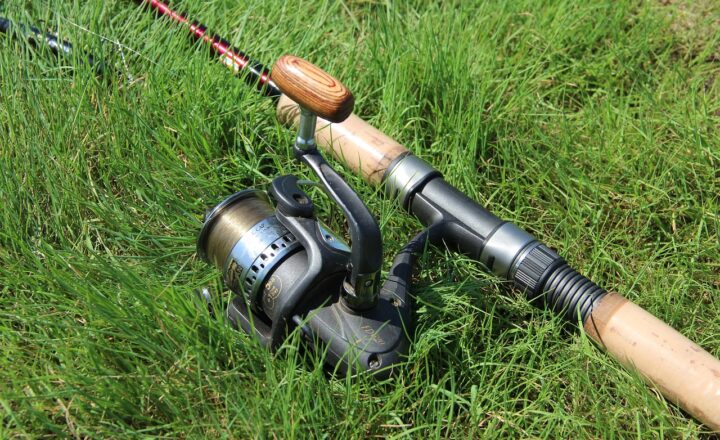
– Using light lines and small hooks can improve your chances of fooling cautious fish.
– Larger lures often attract aggressive species, but they should be heavy enough to withstand strong currents without being too bulky.
3.2 Mastering Different Fishing Techniques
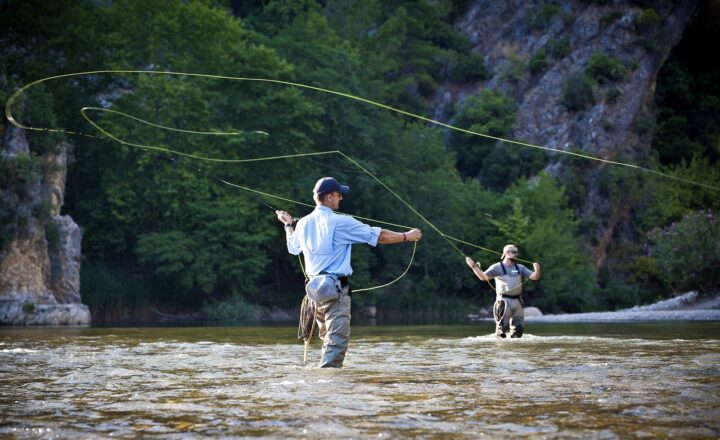
– Fly Fishing: Particularly effective for finicky species, fly fishing offers finesse and subtlety. Mimicking the natural aquatic insects can entice wary fish.
– Trolling: This technique is great for locating fish that are otherwise difficult to find. It allows you to cover large areas effectively.
Finally, practicing patience while fishing can be beneficial. Allowing time for fish to inspect your bait leads to better hook sets and enhances your overall experience.
4. Environmental Conditions and Their Impact
Weather and water conditions play a significant role in determining fish behavior and catch rates. Things to consider include:
4.1 Water Clarity and Temperature
Factors like murky water and extreme temperatures can cause fish to be more evasive. In these conditions, opt for smaller, more natural baits and approach quietly to avoid spooking them.
4.2 Moon Phases and Tides
Fishing during certain moon phases can enhance your luck. For many species, feeding times can be more consistent during the new and full moons. Also, tide movements can influence fish behavior, especially in coastal areas.
5. Overcoming Challenges When Fishing for Elusive Fish
To be successful when targeting hard-to-catch fish, consider the following strategies:
5.1 Research and Preparation
Before heading out, thoroughly research the species you’re targeting. Learn about their habitats, dietary preferences, and the best times to fish for them. Knowledge is power, especially in fishing.
5.2 Local Knowledge and Community
Engaging with local fishing communities and forums can provide valuable insights into successful techniques and recent fishing reports. Getting tips from local experts can save you time and effort.
5.3 Practice Makes Perfect
Improving your skills and technique through regular practice will enhance your overall fishing prowess. Take time to experiment with different lures, bait types, and retrieval techniques.
Conclusion
Fishing can be one of the most rewarding outdoor experiences. However, catching certain elusive fish requires patience, skill, and an understanding of their unique behaviors. By adapting your techniques to the species you’re targeting, leveraging proper gear, and being aware of environmental conditions, you can increase your chances of making a successful catch.
Remember, part of the joy of fishing lies in the challenge itself. So, take the time to enjoy the process, learn, and embrace both the successes and the lessons along the way.