The Engineering Marvels Behind High-Speed Rail and How It’s Changing Commuting

Ryan Pierce
November 11, 2024
High-speed rail (HSR) is more than just an efficient mode of transport; it encompasses cutting-edge engineering, innovation, and infrastructure development that is reshaping the way we view commuting. With countries around the world embarking on ambitious high-speed rail projects, it’s essential to delve into the engineering marvels that make these systems possible and the transformative impacts they hold for our daily lives.
1. Understanding High-Speed Rail: What Sets It Apart?
High-speed rail is defined as a passenger train system that operates at significantly higher speeds than traditional rail services, typically exceeding 250 km/h (155 mph) on dedicated tracks and around 200 km/h (124 mph) on conventional tracks. What sets high-speed rail apart includes:
- Dedicated Tracks: High-speed trains often run on specialized, dedicated tracks that are engineered to support high velocities, providing safer and faster journeys.
- Advanced Safety Systems: Innovations such as automatic train protection systems dramatically reduce the risks of accidents, ensuring the utmost safety for passengers.
- Optimized Aerodynamics: High-speed trains are designed with aerodynamics in mind, minimizing drag in order to maximize speed and efficiency.
By overcoming barriers of speed, efficiency, and passenger comfort, high-speed rail systems are becoming increasingly integral to modern transportation infrastructure.
2. The Engineering Foundations of High-Speed Rail
Creating a high-speed rail system requires intricate engineering processes, integrating various fields such as civil, mechanical, and electrical engineering. Key engineering features include:
- Track Design: High-speed rail tracks are carefully designed to reduce curvature and gradients, ensuring smoother and faster rides. The tracks are typically made of continuously welded rails to eliminate joints, reducing vibrations and enhancing stability.
- Station Architecture: Stations are designed for functionality and passenger convenience, often featuring modern architecture. High-speed rail stations incorporate retail spaces, waiting areas, and seamless connections to other modes of transport, such as subways and buses, for enhanced commutability.
- Train Technology: High-speed trains employ innovative materials and lightweight designs that contribute to increased speed and energy efficiency. Technologies like regenerative braking systems are also pivotal in enhancing energy consumption and sustainability in operation.
The combination of sophisticated engineering and cutting-edge technology forms the backbone of high-speed rail systems, ensuring optimal performance and safety.
3. Case Studies: Successful High-Speed Rail Systems
Several countries have successfully implemented high-speed rail networks, standing as testaments to the effectiveness of engineering advancements in transportation:
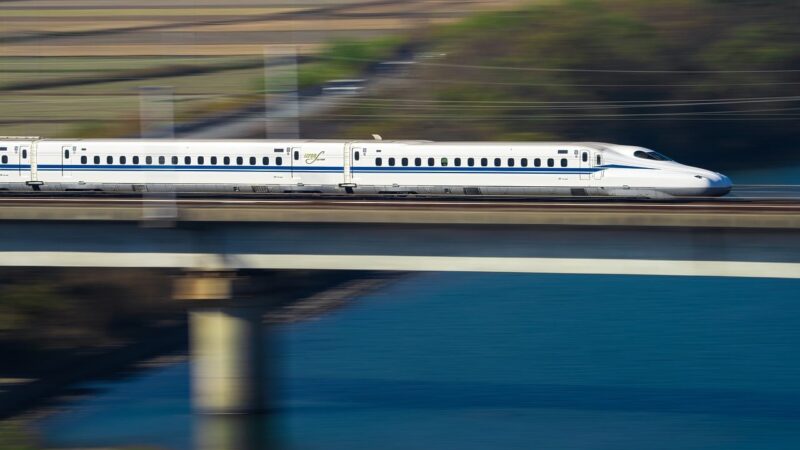
- Shinkansen in Japan: Often referred to as the “bullet train,” the Shinkansen network operates since the 1960s and showcases incredible punctuality, speed, and reliability, transforming how millions commute across Japan every day.
- TGV in France: The TGV (Train à Grande Vitesse) is known for its sleek design and technological prowess. France’s commitment to high-speed rail has reduced traffic congestion and minimized travel times between major cities.
- AVE in Spain: The AVE (Alta Velocidad Española) system links major cities with travel speeds over 300 km/h (186 mph). This network has significantly altered commuting patterns by making cities more accessible and fostering economic growth.
Each of these systems not only emphasizes the engineering excellence behind high-speed rail but also the remarkable economic and social impacts they have facilitated.
4. Enhancing Sustainability with High-Speed Rail
In an era where climate change and sustainability are pressing global issues, high-speed rail emerges as a greener alternative to road and air travel. Some of the sustainability benefits include:
- Lower Carbon Emissions: By providing an efficient alternative to car and airplane travel, high-speed rail contributes to reduced greenhouse gas emissions. Studies indicate that rail transport is generally more energy-efficient than road or air travel over comparable distances.
- Use of Renewable Energy: Many high-speed rail systems, like the one in Germany, utilize renewable energy sources, such as wind and solar, to power their operations, further decreasing their environmental footprint.
- Land Use Efficiency: High-speed rail promotes sustainable land use by concentrating development near stations, encouraging urban regeneration and reducing urban sprawl, which can lead to more livable communities.
As we move toward a more eco-conscious future, high-speed rail can play a vital role in promoting sustainable transportation methods.
5. The Future of High-Speed Rail: Innovations on the Horizon
The future of high-speed rail looks promising, driven by ongoing research and innovation. Emerging technologies include:
- Maglev Technology: Magnetic levitation (maglev) trains can potentially exceed current high-speed rail speeds by eliminating friction between the train and the tracks, paving the way for travel at speeds exceeding 600 km/h (372 mph).
- Hyperloop Concepts: Although still a concept, the Hyperloop could revolutionize transportation, eliminating the need for tracks by using vacuum tubes and magnetic propulsion, potentially allowing travelers to reach speeds of over 1,000 km/h (621 mph).
- Smart Rail Systems: The integration of IoT (Internet of Things) and advanced analytics can optimize operational efficiency, including real-time monitoring of trains and tracks for maintenance needs, ultimately enhancing safety and punctuality for passengers.
These innovations could redefine future commuting experiences, making high-speed rail an integral part of smart city infrastructure.
6. Conclusion: The Commuting Revolution
High-speed rail represents a significant leap forward in how we approach transportation, with far-reaching implications for commuting, infrastructure, and sustainability. The engineering marvels behind these systems are a testament to human ingenuity and determination in creating a more efficient future. As countries continue to invest in high-speed rail, we stand on the cusp of a commuting revolution, where trains become synonymous with speed, comfort, and eco-friendliness. In this new era of travel, high-speed rail not only meets the demands of modern lifestyles but also offers a sustainable path forward for our planet.
By understanding the complexities and achievements of high-speed rail engineering, we can better appreciate the profound impacts it will have on our lives and the future of transportation.
If you have yet to experience high-speed rail, embrace this engineering wonder that is reshaping the future of commuting today.