Why Cycling Is Making a Comeback and How Cities Are Adapting to Bicycles

Liam Cooper
November 11, 2024
Cycling, once relegated to the fringes of transportation in urban areas, is enjoying a renaissance like never before. This revival is fueled by a combination of health consciousness, environmental awareness, and a growing demand for efficient and pleasant urban transport options. More and more cities are recognizing the importance of accommodating cyclists, not just for recreational purposes, but as an integral part of urban mobility. In this article, we will delve into the factors contributing to this cycling comeback, the benefits of cycling, and how cities are reshaping their infrastructure to support and promote cycling.
1. The Rise of Cycling Culture
In recent years, a significant cultural shift has led to the resurgence of cycling. This evolution is characterized by several key factors:
- Health Benefits: Cycling is a low-impact exercise that improves cardiovascular health, builds muscular strength, and aids weight management. As health consciousness increases, many individuals are turning to cycling as a convenient and enjoyable form of exercise.
- Environmental Awareness: As concerns about climate change intensify, more people are looking for sustainable modes of transport. Cycling produces zero emissions, making it an appealing alternative to carbon-heavy vehicles.
- Urban Mobility Challenges: With populations surging in urban areas, cities are grappling with traffic congestion, inadequate parking, and air pollution. Cycling offers an efficient solution, helping to alleviate these challenges and providing a means of transport that can navigate congested streets more effectively than cars.
The convergence of these factors is making cycling an attractive option for commuting and leisure, prompting a noticeable uptick in cycling culture across the globe.
2. Benefits of Cycling for Individuals and Communities
The resurgence of cycling extends beyond individual health; it benefits communities as a whole. Consider the following advantages:
- Economic Impact: Cycling can reduce transportation costs for individuals, while local businesses can benefit from increased foot traffic and cyclist visits, creating a more vibrant economic environment.
- Social Interaction: Cycling can enhance social cohesion by encouraging people to spend more time outdoors and engage with their neighborhoods. Bike paths and lanes can become social spaces where communities connect and interact.
- Reduced Traffic Congestion: An increase in cyclists can lead to fewer cars on the road, significantly reducing traffic jams and travel times for everyone, including those still using vehicles.
- Improved Air Quality: With more people cycling instead of driving, cities can experience lower levels of air pollution, promoting better health outcomes for residents and improving overall urban quality of life.
The communal benefits of cycling create a multi-dimensional case for urban planners and city officials to prioritize cycling initiatives.
3. How Cities Are Adapting to Support Cyclists
Cities around the world are recognizing the importance of creating a cycling-friendly environment. Here are some innovative strategies being implemented:
- Dedicated Bike Lanes: Many cities are investing in dedicated cycling infrastructure, including bike lanes and paths that separate cyclists from motor vehicle traffic, increasing safety and encouraging more people to cycle.
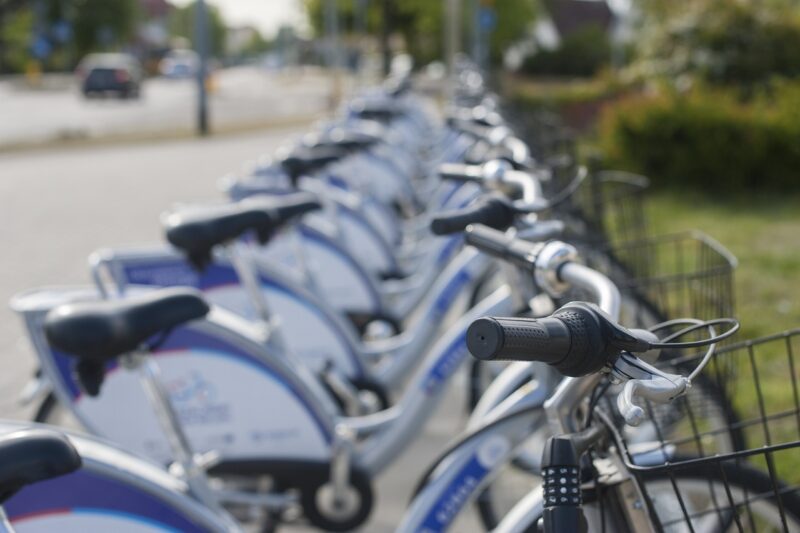
- Bike-Sharing Programs: Implementing bike-sharing programs allows residents and visitors to access bikes easily, making cycling a more viable option for short trips. Cities like Paris with its Vélib system have seen significant success with these programs.
- Cyclist-Friendly Policies: Cities are enacting policies that prioritize spending on cycling infrastructure, mandating bike parking spaces in new developments, and providing incentives for businesses to promote cycling among their employees.
- Community Engagement: Successful cycling initiatives hinge on community involvement. City planners are increasingly engaging residents in discussions about cycling infrastructure needs and planned projects, ensuring that community interests are represented and addressed.
- Events and Campaigns: Cities are encouraging cycling through events such as “bike to work” days, community rides, and educational campaigns that promote the benefits of cycling while pointing out safe riding practices.
By implementing these strategies, cities are not only adapting to existing cyclists but are also encouraging new riders to take up cycling as a practical transportation option.
4. Global Examples of Cycling-Friendly Cities
Many cities serve as excellent examples of how to adapt infrastructure for cyclists. Consider these successful case studies:
- Copenhagen, Denmark: Arguably the world leader in cycling infrastructure, Copenhagen boasts an expansive network of bike lanes, bike traffic signals, and bridges dedicated solely to cyclists, facilitating a cycling culture where approximately 62% of its residents use bicycles daily.
- Amsterdam, Netherlands: Amsterdam’s flat terrain and robust cycling infrastructure have made it a beacon of bike-friendly urban design, where bikes outnumber residents. AVA (Automated Vehicle Assistance) allows for flexible bike parking solutions which has been a game changer.
- Portland, Oregon, USA: Portland has invested heavily in cycling infrastructure and initiatives, leading to a culture that embraces cycling as a viable mode of transport. Their extensive bike lane network and commitment to safety have earned it a spot as one of America’s most bike-friendly cities.
- Bogotá, Colombia: Bogotá has transformed its streets with dedicated bike lanes and Sunday cycle days, when streets are closed off to vehicles, allowing residents to freely bike, skates, and enjoy the public space. This initiative has sparked greater community engagement and interest in urban cycling.
These cities prove that investing in cycling infrastructure can lead to sustainable and healthy urban environments.
5. The Future of Cycling in Urban Environments
As cities continue adapting to the growing demand for cycling, the future of urban mobility looks promising. Key trends include:
- Integration of Technology: Smart bike systems, apps for route planning, and tracking cyclist safety are evolving to make cycling more accessible and attractive.
- Continued Investment in Infrastructure: More cities will likely follow suit in building dedicated bike lanes, improving bike-sharing programs, and enhancing cyclist services like parking and repair stations.
- Emphasis on Safe Riding Practices: Education regarding safe cycling, bike maintenance, and road rules will become paramount to ensure the safety of cyclists, fostering a culture of respect between motorists and cyclists.
- Increased Collaboration: Partnerships between local governments, businesses, community organizations, and residents will be critical to successfully implement cycling initiatives and address the needs of all transportation users.
The vision for the future is clear: cities that promote cycling will be healthier, cleaner, and more connected environments for all.
Conclusion
Cycling is reclaiming its rightful place in our urban landscapes, inviting individuals to take control of their health while contributing to a cleaner environment. As cycling culture flourishes, cities are adapting to accommodate and promote this shift. By investing in cycling infrastructure and encouraging community engagement, cities are redefining how we move through urban spaces, paving the way for a sustainable future that benefits everyone. So, whether you’re an experienced cyclist or considering taking up biking, now’s the time to join the movement and embrace the joy of cycling in your city!