Renewable Energy Sources: How Wind, Solar, and Hydro Are Powering the Future

Sophia Chen
October 20, 2024
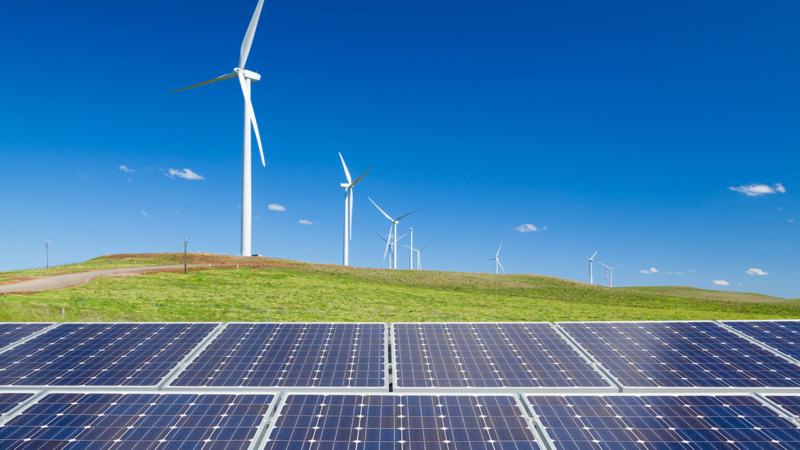
As the world faces the growing threat of climate change and the environmental damage caused by fossil fuels, renewable energy sources have emerged as the beacon of hope for a sustainable future. Wind, solar, and hydroelectric power are at the forefront of this green revolution, offering clean, sustainable, and increasingly cost-effective alternatives to traditional energy sources.
This article will delve into the technologies driving wind, solar, and hydro energy, the advantages and challenges of each, and how these renewable sources are transforming the global energy landscape.
The Case for Renewable Energy
The shift toward renewable energy is not only driven by environmental concerns but also by economic and geopolitical factors. Fossil fuels like coal, oil, and natural gas are finite resources, and their extraction, transportation, and combustion contribute significantly to global carbon emissions, air pollution, and environmental degradation. As the demand for energy continues to rise, especially in developing countries, there is a growing need to find alternative, sustainable energy solutions.
1. Reducing Carbon Emissions
One of the most significant advantages of renewable energy is its ability to drastically reduce carbon emissions. Wind, solar, and hydro power generate electricity without burning fossil fuels, which means they produce little to no greenhouse gases during operation. By transitioning to renewable energy, nations can cut down their carbon footprints and help mitigate the impacts of climate change.
2. Energy Independence
Another key benefit of renewable energy is energy independence. Countries that rely heavily on imported fossil fuels are vulnerable to price fluctuations, supply disruptions, and geopolitical tensions. By investing in domestic renewable energy sources, these countries can secure a more stable and reliable energy supply, reducing their dependence on foreign energy markets.
Key takeaway: Renewable energy provides a sustainable path forward by reducing carbon emissions and increasing energy independence.
Wind Energy: Harnessing the Power of the Atmosphere
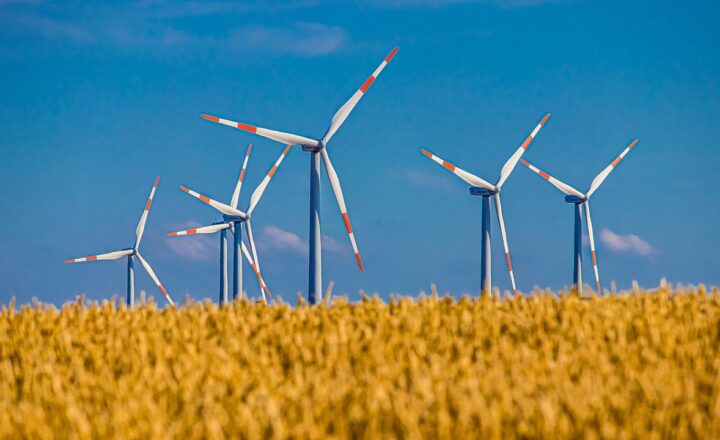
Wind energy is one of the fastest-growing renewable energy sources in the world. Wind turbines capture the kinetic energy of the wind and convert it into electricity. As the wind blows, it turns the blades of the turbine, which are connected to a generator that produces electricity.
1. Wind Technology and Advancements
Wind turbines have come a long way in terms of design and efficiency. Modern turbines are taller and more powerful, allowing them to generate more electricity from the same amount of wind. Offshore wind farms, where turbines are placed in bodies of water, are becoming more popular because wind speeds are generally stronger and more consistent at sea.
Technological advancements are also helping reduce the costs of wind energy. According to the International Renewable Energy Agency (IRENA), the cost of generating electricity from onshore wind farms has fallen by nearly 40% over the past decade, making wind power more competitive with fossil fuels.
2. Benefits of Wind Energy
Wind energy is abundant, renewable, and emission-free. Wind farms can be built onshore or offshore, and once the turbines are installed, they require relatively low maintenance. Wind power also creates jobs in manufacturing, installation, and maintenance, supporting local economies.
3. Challenges of Wind Energy
However, wind energy does come with some challenges. Wind is an intermittent resource, meaning it isn’t always available when demand for electricity is high. To mitigate this, wind energy is often used in combination with other renewable sources or stored in batteries for later use. Additionally, some critics have raised concerns about the impact of wind turbines on wildlife, particularly birds and bats.
Key takeaway: Wind energy is a growing, cost-effective renewable energy source, though challenges related to intermittency and wildlife impacts need to be addressed.
Solar Energy: Powering the Future with the Sun
Solar energy, another major player in the renewable energy sector, captures sunlight and converts it into electricity or heat. The technology behind solar energy has advanced rapidly, making it one of the most promising sources of renewable energy.
1. Solar Technologies
There are two main types of solar energy technology: photovoltaic (PV) systems and concentrated solar power (CSP) systems.
- Photovoltaic (PV) systems: These are the most common type of solar technology. PV panels, which are typically installed on rooftops or solar farms, convert sunlight directly into electricity using semiconductor materials.
- Concentrated Solar Power (CSP) systems: CSP systems use mirrors or lenses to focus sunlight onto a small area, generating heat that is then used to produce electricity through traditional steam turbines. CSP is typically used in large-scale solar power plants.
2. Benefits of Solar Energy
Solar energy is incredibly abundant—just one hour of sunlight could theoretically meet the world’s energy needs for an entire year. Solar panels have a relatively low environmental impact compared to other forms of energy generation, and they produce electricity without emitting greenhouse gases. Once installed, solar PV systems have low operating costs and can last for decades.
3. Challenges of Solar Energy
Like wind energy, solar energy is intermittent, as it depends on the availability of sunlight. This means solar power is less reliable at night or during cloudy days. Energy storage systems, such as batteries, are essential to overcoming this limitation. Another challenge is the large amount of space required for solar farms, although rooftop solar installations are helping address this issue in urban areas.
Key takeaway: Solar energy is one of the most abundant and versatile renewable resources, but challenges related to intermittency and space requirements must be managed.
Hydroelectric Power: The Oldest Renewable Energy Source
Hydroelectric power, or hydro power, generates electricity by harnessing the energy of moving water. It is one of the oldest and most established forms of renewable energy, accounting for a significant portion of global renewable energy generation.
1. How Hydroelectric Power Works
Hydroelectric power plants typically rely on dams to control the flow of water. As water is released from the reservoir, it flows through turbines, generating electricity. The amount of electricity produced depends on the volume of water and the height from which it falls.
There are also run-of-the-river hydroelectric systems that do not require large reservoirs. These systems divert a portion of a river’s flow through a turbine before returning it to the river.
2. Benefits of Hydroelectric Power
Hydroelectric power is highly efficient, with some plants achieving efficiency rates of up to 90%. It is also a flexible energy source, as operators can control the flow of water to match electricity demand. Hydro plants typically have long lifespans and provide reliable, consistent power.
Hydro power also offers additional benefits, such as water storage for irrigation and flood control. Large hydroelectric dams can store water during wet seasons and release it during dry periods, providing a reliable water supply for agriculture and communities.
3. Challenges of Hydroelectric Power
Despite its advantages, hydroelectric power is not without its drawbacks. Large dams can have significant environmental impacts, including the displacement of communities, the destruction of ecosystems, and the disruption of fish populations. Run-of-the-river systems, while less invasive, are limited in terms of scalability and energy generation capacity.
Additionally, hydroelectric power is vulnerable to changes in water availability due to droughts, climate change, and competing water uses. As global temperatures rise, regions that rely heavily on hydro power may face challenges in maintaining energy production.
Key takeaway: Hydroelectric power is a highly efficient and flexible renewable energy source, but large-scale projects can have significant environmental and social impacts.
The Future of Renewable Energy
The future of renewable energy lies in continued innovation and the integration of various technologies to create a more sustainable and resilient energy grid. As wind, solar, and hydro technologies evolve, they will play an increasingly important role in meeting the world’s growing energy demands.
1. Energy Storage
One of the most important areas of development for renewable energy is energy storage. The intermittent nature of wind and solar power means that energy must be stored for use when the wind isn’t blowing or the sun isn’t shining. Advances in battery technology, including lithium-ion batteries and emerging alternatives like solid-state batteries, are making it easier to store renewable energy for later use.
2. Grid Integration and Smart Grids
Integrating renewable energy into existing power grids is another challenge. Traditional power grids were designed for centralized power generation, but renewable energy sources are often decentralized. Smart grids, which use digital technology to monitor and manage energy flows, are helping overcome this challenge by allowing for more efficient energy distribution and demand response.
3. Policy and Investment
Government policies and investment play a crucial role in the adoption of renewable energy. Subsidies, tax incentives, and renewable energy targets encourage investment in wind, solar, and hydro power. As more countries commit to reducing carbon emissions and transitioning to renewable energy, the market for these technologies will continue to grow.
Key takeaway: The future of renewable energy depends on continued innovation in energy storage, grid integration, and supportive policies.
Conclusion: The Role of Wind, Solar, and Hydro in a Sustainable Future
Wind, solar, and hydro power are the cornerstones of the renewable energy revolution. Each has its unique advantages and challenges, but together they form a powerful trifecta that can significantly reduce our dependence on fossil fuels and help combat climate change. As technology continues to evolve, the costs of renewable energy will continue to fall, making it more accessible to communities around the world.
The future of energy is renewable, and wind, solar, and hydro power will play a crucial role in powering a cleaner, more sustainable world.