Sustainable Architecture: Designing the Cities of Tomorrow with Green Building Practices

James Holloway
October 20, 2024
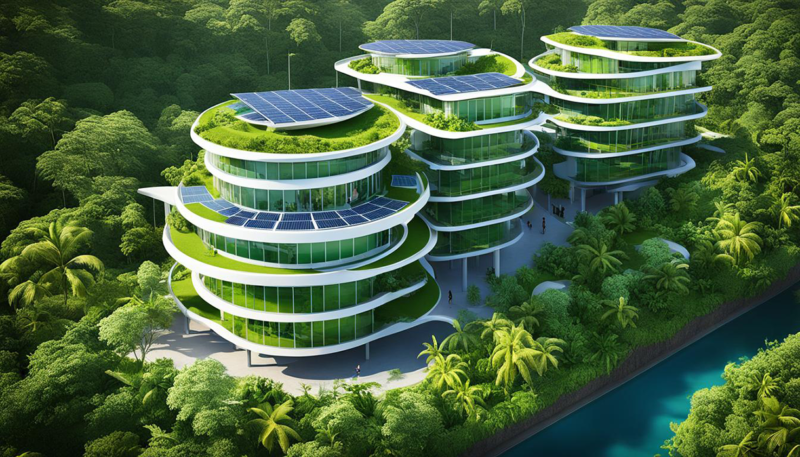
As climate change and environmental degradation continue to challenge our planet, the way we build and design our cities is evolving. Sustainable architecture is at the forefront of this transformation, offering innovative solutions to reduce the environmental impact of buildings while enhancing the quality of life for those who inhabit them. By incorporating green building practices, architects and urban planners are reimagining cities as eco-friendly, energy-efficient, and livable spaces that prioritize sustainability for future generations.
In this article, we will explore the key principles of sustainable architecture, the benefits of green building practices, and how they are shaping the cities of tomorrow.
What is Sustainable Architecture?
Sustainable architecture refers to the design and construction of buildings that aim to minimize their environmental impact while maximizing energy efficiency and the well-being of occupants. It is a holistic approach that considers the entire lifecycle of a building, from its design and construction to its operation, maintenance, and eventual deconstruction.
Sustainable architecture focuses on reducing the consumption of resources, minimizing waste and emissions, and integrating buildings harmoniously with their natural surroundings. It also emphasizes the use of eco-friendly materials, renewable energy sources, and technologies that promote energy and water efficiency.
Key Principles of Sustainable Architecture:
- Energy Efficiency: Buildings should be designed to reduce energy consumption through the use of efficient systems, insulation, natural lighting, and renewable energy sources like solar or wind power.
- Water Conservation: Sustainable architecture includes strategies for reducing water consumption, such as rainwater harvesting, low-flow fixtures, and greywater recycling systems.
- Use of Sustainable Materials: Architects prioritize the use of renewable, recyclable, and non-toxic materials that have a low environmental footprint.
- Minimizing Waste and Pollution: Green buildings aim to minimize waste during construction and throughout the building’s lifecycle by recycling materials and reducing emissions.
- Biophilic Design: Incorporating natural elements such as plants, green roofs, and natural lighting, biophilic design seeks to connect occupants with nature, promoting well-being and reducing environmental stress.
The Importance of Sustainable Architecture
The construction industry is one of the largest contributors to greenhouse gas emissions, accounting for nearly 40% of global carbon emissions, with buildings using significant amounts of energy and resources. Sustainable architecture addresses this challenge by creating buildings that are energy-efficient, reduce emissions, and conserve resources.
1. Reducing Carbon Footprint
One of the primary goals of sustainable architecture is to reduce the carbon footprint of buildings. By incorporating energy-efficient technologies, such as solar panels, green roofs, and smart heating and cooling systems, sustainable buildings can significantly cut down on the amount of energy they consume.
For example, the use of passive solar design—a strategy that takes advantage of natural sunlight for heating and lighting—can drastically reduce energy usage in buildings. Likewise, integrating high-performance insulation and energy-efficient windows helps to minimize heat loss and reduce the need for artificial heating and cooling.
2. Promoting Healthier Living Spaces
Sustainable architecture also improves the health and well-being of building occupants. By using non-toxic, eco-friendly building materials, ensuring proper ventilation, and incorporating natural light and greenery, green buildings can create healthier indoor environments. This is particularly important in urban areas, where poor air quality and limited access to nature can negatively affect residents’ health.
Buildings that adopt biophilic design principles, which emphasize the integration of natural elements, have been shown to improve mood, reduce stress, and enhance productivity for occupants. This makes sustainable architecture not only environmentally friendly but also beneficial for human health and wellness.
Green Building Practices Shaping the Cities of Tomorrow
Cities around the world are embracing green building practices to address urbanization challenges and create sustainable urban environments. These practices range from the materials used in construction to the energy systems that power buildings. Below are some of the most prominent green building practices currently shaping the future of architecture.
1. Net-Zero Energy Buildings
A Net-Zero Energy Building (NZEB) is designed to produce as much energy as it consumes over the course of a year, typically through the use of renewable energy sources like solar panels or wind turbines. NZEBs are becoming more common as cities work to reduce their carbon emissions and meet sustainability goals.
- Examples of Net-Zero Buildings: Cities like Copenhagen and San Francisco are home to some of the world’s leading examples of NZEBs. The Bullitt Center in Seattle is often referred to as the world’s greenest commercial building, generating its own electricity through solar panels while also collecting rainwater for reuse.
2. Green Roofs and Urban Gardens
Green roofs, which involve planting vegetation on rooftops, are an increasingly popular feature of sustainable buildings. Green roofs help to insulate buildings, reducing the need for heating and cooling. They also absorb rainwater, reducing stormwater runoff, and provide a habitat for urban wildlife.
Urban gardens and vertical farms, which integrate food production into urban spaces, are also becoming more prevalent in cities focused on sustainability. These initiatives not only help cities become more self-sufficient in food production but also contribute to air quality and provide green spaces for residents.
3. Renewable Energy Integration
In sustainable architecture, buildings are designed to rely on renewable energy sources, such as solar panels, wind turbines, and geothermal energy, to power their operations. Many green buildings are equipped with rooftop solar panels or wind turbines that generate electricity, significantly reducing their dependence on fossil fuels.
By integrating renewable energy systems, buildings can contribute to decentralized energy grids, which reduce the overall strain on the energy infrastructure and promote more sustainable energy consumption across cities.
4. Water Recycling and Conservation
With water scarcity becoming a growing concern in many parts of the world, sustainable architecture focuses on minimizing water consumption and implementing efficient water management systems. Greywater recycling, for example, involves capturing wastewater from sinks, showers, and washing machines and treating it for reuse in toilets or irrigation.
Similarly, buildings equipped with rainwater harvesting systems collect rainwater for reuse, reducing the demand on municipal water supplies and lowering water consumption.
Benefits of Sustainable Architecture for Urban Environments
Sustainable architecture offers numerous benefits that extend beyond environmental conservation. In cities facing rapid urbanization and growing populations, these practices can improve the quality of life for residents while reducing the environmental burden of urban growth.
1. Energy and Cost Savings
While the initial investment in sustainable building practices may be higher, the long-term savings in energy and operating costs can be substantial. For example, buildings that rely on solar energy or other renewable sources can significantly reduce their utility bills. In some cases, energy-efficient buildings can even generate surplus energy that can be sold back to the grid.
Moreover, sustainable buildings tend to have lower maintenance costs, as they are designed with durability and resource efficiency in mind. Over time, the cost savings from reduced energy and water consumption often offset the initial higher costs of construction.
2. Climate Resilience
As cities grapple with the effects of climate change—rising temperatures, more frequent storms, and unpredictable weather patterns—sustainable architecture can help urban environments become more resilient. Green buildings are often designed to withstand extreme weather events and provide occupants with reliable energy and water supplies in times of crisis.
3. Improved Urban Livability
Sustainable architecture plays a key role in enhancing the livability of urban areas. By integrating green spaces, promoting walkability, and incorporating natural elements, sustainable buildings can improve residents’ quality of life. Urban green spaces, for example, reduce heat island effects, improve air quality, and offer recreational areas for city dwellers.
Challenges Facing Sustainable Architecture
While the benefits of sustainable architecture are clear, there are several challenges that need to be addressed to ensure widespread adoption of green building practices.
1. Higher Initial Costs
One of the main barriers to the widespread adoption of sustainable architecture is the higher upfront cost of designing and constructing green buildings. While these costs are often offset by long-term energy savings, they can be prohibitive for some developers and homeowners, especially in regions where sustainable building incentives are lacking.
2. Lack of Awareness and Expertise
In many parts of the world, sustainable building practices are still relatively new, and there may be a lack of awareness or expertise in green design and construction. Architects, builders, and city planners need specialized training and knowledge to successfully implement sustainable practices. Expanding educational programs and resources will be essential for the growth of sustainable architecture.
3. Regulatory and Policy Barriers
In some cases, outdated building codes and regulations can prevent the adoption of innovative green building technologies. Governments at the local, national, and international levels must work together to update regulations and create policies that support the development of sustainable architecture.
The Future of Sustainable Architecture: What’s Next?
As the global population continues to grow and cities expand, sustainable architecture will play an increasingly important role in creating livable, eco-friendly urban environments. The future of sustainable architecture will likely see the integration of smart technologies with green building practices, creating buildings that are not only energy-efficient but also responsive to the needs of their occupants.
1. Smart Cities and IoT Integration
The concept of smart cities—urban areas that use technology to manage resources efficiently—will intersect with sustainable architecture. By integrating the Internet of Things (IoT), buildings will be able to optimize energy consumption, monitor environmental conditions, and provide real-time data on their performance.
2. Advanced Materials and Technologies
The development of new, eco-friendly building materials and construction methods will further drive the growth of sustainable architecture. 3D printing, carbon-neutral concrete, and self-healing materials are just some of the innovations that could revolutionize green building practices in the coming years.
Conclusion: Designing the Cities of Tomorrow
Sustainable architecture is more than just a trend—it is a vital response to the environmental challenges facing our world today. By adopting green building practices, cities can reduce their carbon footprints, conserve resources, and create healthier living spaces for their residents. As the world continues to urbanize, sustainable architecture will be key to designing the cities of tomorrow—cities that are resilient, energy-efficient, and livable for generations to come.