Why Recycling Matters: The Environmental Benefits of Reducing Waste

Jack Avery
November 11, 2024
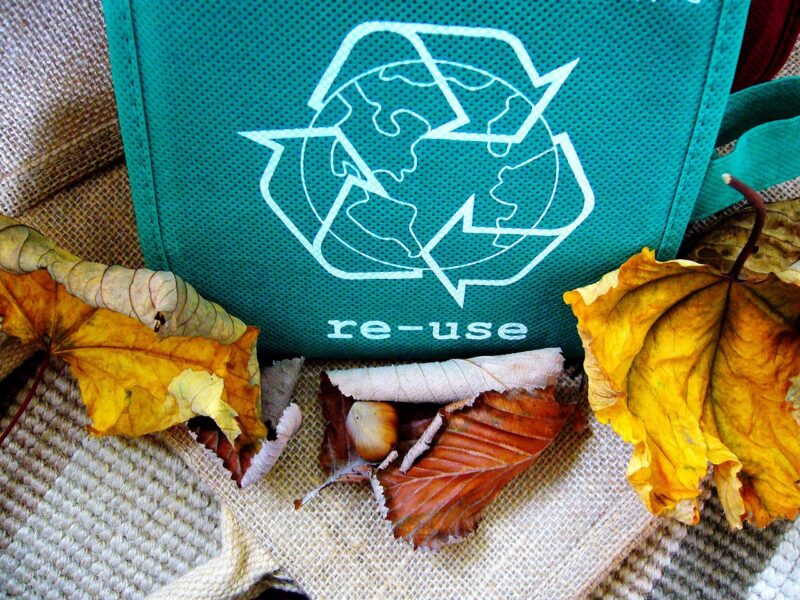
In a world increasingly overwhelmed by waste, recycling emerges as a paramount solution that benefits both the environment and society. This article delves into the multifaceted advantages of recycling, including its role in conserving resources, reducing pollution, and mitigating climate change.
1. Understanding Recycling and Its Importance
Recycling is the process of converting waste materials into reusable materials, thus minimizing the consumption of fresh raw materials and reducing the overall waste output. The significance of recycling extends beyond mere waste management; it serves as a crucial component of sustainable development.
The importance of recycling can be highlighted through various lenses:
- Resource Conservation: Recycling helps conserve natural resources, ensuring that we utilize these materials more sustainably. It is estimated that recycling and reusing can save the equivalent of 1.3 billion tons of CO2 emissions annually, as fewer raw materials need to be processed and transported.
- Waste Reduction: By recycling, we decrease the amount of waste sent to landfills and incinerators. Landfills are a leading contributor to pollution and can produce harmful greenhouse gases like methane as waste decomposes.
- Energy Savings: The recycling process typically requires less energy compared to producing new products from raw materials. For example, producing aluminum from recycled material uses up to 95% less energy than originating aluminum from bauxite ore.
Through these perspectives, we can appreciate why recycling is vital not just for individual communities but for the planet as a whole.
2. The Environmental Benefits of Recycling
Recycling has numerous environmental benefits that are transformative for communities and ecosystems. Key advantages include:
- Reduction of Pollution: Recycling leads to less pollution than traditional waste disposal methods. This is because recycling usually produces fewer emissions, and it results in cleaner air and water. The manufacturing process can discharge harmful pollutants when natural resources are extracted and processed. Recycling mitigates this by reducing the need for such processes.
- Conservation of Biodiversity: Utilizing recycled materials reduces the need for resource extraction, which can be detrimental to wildlife and ecosystems. Less mining, logging, and drilling mean a lower risk of habitat destruction, thus conserving biodiversity.
- Combatting Climate Change: With the energy savings from recycling, greenhouse gas emissions are significantly reduced, contributing to climate change mitigation. For instance, recycling one ton of paper can save approximately 17 trees and 4,100 kilowatts of electricity, reducing carbon footprint considerably.
- Sustainable Use of Resources: Recycling encourages responsible consumption. It fosters a circular economy, where materials are kept in use for as long as possible, thereby promoting sustainable resource management.
The environmental benefits of recycling intersect with the larger goal of sustainability, creating a healthier planet for current and future generations.
3. Economic Benefits of Recycling
In addition to environmental gains, recycling offers significant economic advantages:
- Job Creation: The recycling industry generates jobs across various sectors, from collection to processing and manufacturing. In the U.S. alone, the recycling and reuse industry accounts for over 1.1 million jobs, creating a robust economic impact.
- Cost-Effective Waste Management: Recycling can be more cost-effective than traditional waste disposal methods. It lowers landfill costs and helps municipalities save money in waste management budgets, which can be redirected to other community services.
- Stimulating Innovation: Recycling promotes innovation as businesses seek new methods to utilize recycled materials efficiently. This leads to advancements in technology and processes that can benefit multiple sectors.
Economically, recycling not only saves money but also fosters a sustainable job market, ultimately leading to better societal outcomes.
4. How to Recycle Effectively: Tips for Individuals and Communities
To maximize the benefits of recycling, individuals and communities must adopt effective strategies to ensure proper recycling practices:
- Know What Can Be Recycled: Familiarize yourself with the recycling rules in your locality. Different materials have different recycling requirements. Items such as paper, glass, metals, and certain plastics are typically recyclable, while others may not be accepted.
- Clean and Sort Recyclables: Before placing items in recycling bins, rinse containers to remove residues and sort materials according to local guidelines. Contaminated recyclables can spoil whole batches, leading to more waste.
- Participate in Community Programs: Get involved in local recycling programs or initiatives. Many towns host recycling drives or educational events that promote recycling and waste reduction.
- Advocate for Recycling: Encourage others to recycle. Use social media platforms or community meetings to spread awareness about the importance of recycling and how to do it effectively.
- Reduce, Reuse, and Recycle: Adopt a three-pronged approach. First, reduce your consumption of single-use products. Next, reuse items when possible, and finally, recycle what you cannot reuse.
Promoting effective recycling practices creates a culture of sustainability that significantly impacts waste reduction at the community level.
5. The Role of Businesses in Recycling
Businesses play a vital role in supporting recycling initiatives:
- Implement Recycling Programs: Organizations should offer recycling programs within their operations. This can include recycling office paper, bottles, and cans, as well as producing products from recycled materials.
- Educate Employees: Provide training to employees on recycling best practices and the importance of recycling in the workplace. This education can greatly increase participation rates by making recycling easier and more accessible.
- Set an Example: Businesses can take the lead in sustainability by integrating eco-friendly practices into their operations. Promoting recycling at the corporate level sets an example for customers and the wider community, encouraging a broader adoption of these practices.
By aligning business practices with sustainability goals, companies can significantly contribute to the overarching objective of reducing waste and promoting environmental stewardship.
Conclusion
The pressing need for recycling is evident as we face increasing challenges from waste generation and environmental degradation. Understanding the myriad benefits of recycling—from conserving resources to reducing pollution—highlights its significance in building a sustainable future.
As individuals, communities, and businesses work together, embracing recycling can pave the way for a cleaner, healthier world. Let us all take action to engage in recycling and inspire others to join in the fight against waste and environmental harm.