How to Choose the Best 3D Printer in 2024: A Comprehensive Buyer’s Guide

Lucas Grant
October 19, 2024
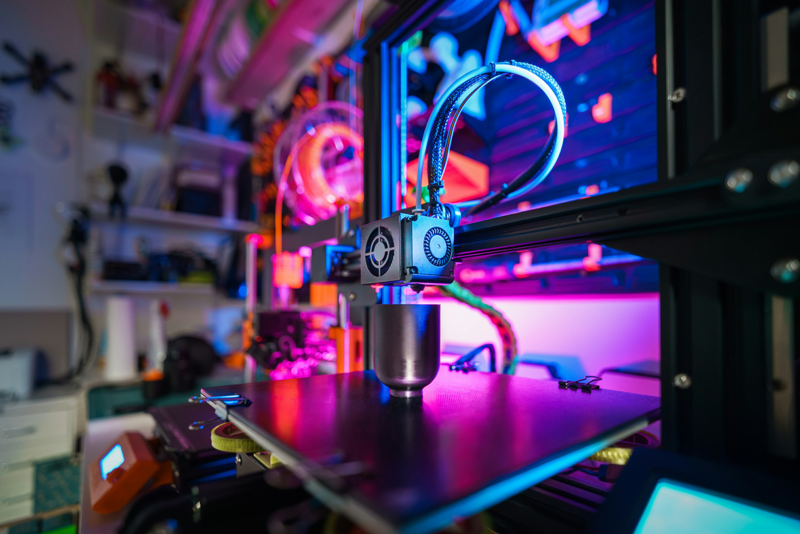
3D printing has come a long way since its early days, with models available for everything from hobbyists to professionals. The market has grown significantly, and with new innovations in technology, 2024 offers an even broader range of 3D printers to choose from. Whether you’re a beginner looking to get started with 3D printing or a seasoned professional seeking an upgrade, knowing how to pick the right 3D printer is key to achieving the results you want.
In this guide, we’ll break down the essential factors to consider when choosing a 3D printer in 2024, including the types of printers available, key features to look for, and how to match the printer to your specific needs.
1. Understanding the Different Types of 3D Printers
The first step in choosing the right 3D printer is understanding the different types available and their specific uses. The most common types of 3D printers in 2024 include:
1.1. Fused Deposition Modeling (FDM) Printers
FDM printers are the most popular type of 3D printer, particularly among beginners and hobbyists. They work by melting a thermoplastic filament and depositing it layer by layer to create a 3D object. FDM printers are affordable, easy to use, and can print a wide variety of materials, including PLA, ABS, PETG, and more.
- Best For: Beginners, hobbyists, and those looking for an affordable option.
- Pros: Inexpensive, wide range of materials, large community support.
- Cons: Lower resolution and surface finish compared to resin printers.
1.2. Stereolithography (SLA) Printers
SLA printers use a laser to cure liquid resin into solid layers, offering higher precision and smoother surface finishes than FDM printers. These printers are often used for detailed models and professional applications where high resolution is crucial.
- Best For: Professionals, artists, jewelry designers, and users who need high precision.
- Pros: High resolution, excellent surface quality, ideal for detailed prints.
- Cons: Resin is more expensive, post-processing can be messy, and the build size is generally smaller.
1.3. Digital Light Processing (DLP) Printers
Similar to SLA printers, DLP printers use light to cure resin but employ a digital projector screen instead of a laser. They are typically faster than SLA printers but offer comparable print quality. DLP printers are ideal for users who need both speed and high precision.
- Best For: Professionals, dental applications, small businesses requiring detailed, fast prints.
- Pros: Faster than SLA, high resolution, excellent detail.
- Cons: Limited build volume, higher material costs.
1.4. Selective Laser Sintering (SLS) Printers
SLS printers use a laser to fuse powder material, such as nylon, into solid parts. They don’t require support structures, making them ideal for complex geometries. SLS printers are typically used in industrial and engineering settings due to their high cost and capabilities.
- Best For: Engineers, manufacturers, and industrial applications.
- Pros: High strength, no need for supports, excellent for complex designs.
- Cons: Expensive, more suited for professional or industrial use.
2. Key Features to Consider When Choosing a 3D Printer
Once you’ve decided on the type of 3D printer that best suits your needs, it’s important to consider specific features that can impact the quality of your prints and overall user experience. Here’s what to look for:
2.1. Build Volume
The build volume determines the maximum size of an object that the printer can produce. For hobbyists or those printing small models, a smaller build volume might be sufficient. However, if you plan to print large or multiple objects at once, you’ll need a 3D printer with a larger build area.
- Small Build Volume: (~120mm x 120mm x 120mm) Suitable for small figurines, jewelry, and detailed parts.
- Medium Build Volume: (~220mm x 220mm x 250mm) Ideal for most users, balancing size and footprint.
- Large Build Volume: (300mm+ in one or more dimensions) Required for larger objects, prototyping, and professional use.
2.2. Print Speed
In 2024, print speed is more critical than ever, especially for professionals who need to complete projects efficiently. Faster printing times, however, can sometimes come at the cost of print quality, so finding the right balance is key.
- FDM Printers: Typically slower but improving with newer models offering faster speeds without sacrificing quality.
- SLA/DLP Printers: Generally faster than FDM in terms of layer curing but have smaller build volumes.
2.3. Print Quality and Resolution
Print quality is determined by the layer height or resolution of the 3D printer. A lower layer height results in smoother and more detailed prints, but it also increases print time. SLA and DLP printers typically offer the best resolution, making them suitable for intricate designs.
- FDM Printers: Standard resolution ranges from 50 to 300 microns.
- SLA/DLP Printers: Can achieve resolutions as fine as 25 microns or lower.
2.4. Material Compatibility
Consider the types of filaments or resins the printer can handle. For FDM printers, common filaments include PLA, ABS, PETG, TPU, and more advanced materials like carbon-fiber infused filaments. For SLA/DLP printers, different types of resins offer various properties, such as flexibility, transparency, or high strength.
- FDM Materials: PLA (easy to use, biodegradable), ABS (durable, heat-resistant), PETG (strong, flexible).
- SLA/DLP Resins: Standard resins (for general use), flexible resins (for elastic prints), tough resins (for high-strength applications).
2.5. Ease of Use and Software
For beginners, ease of use is a major factor in deciding on a 3D printer. Features like auto-bed leveling, intuitive software, and pre-configured settings can simplify the printing process.
- Beginner-Friendly Features: Auto-bed leveling, plug-and-play setup, clear user manuals, and easy-to-use software like Cura or PrusaSlicer.
- Advanced Features: Multi-material printing, filament runout sensors, and remote monitoring through Wi-Fi connectivity.
2.6. Community and Support
The strength of the 3D printer’s user community and availability of customer support are important for troubleshooting, learning, and improving your skills. Brands like Creality, Prusa, and Anycubic have large, active user communities that can provide support and share resources.
3. Best 3D Printers in 2024 for Different User Types
Here’s a breakdown of some of the best 3D printers in 2024, categorized by user type:
3.1. Best 3D Printers for Beginners
For beginners, ease of use, reliability, and affordability are key considerations. These printers offer a smooth introduction to the world of 3D printing without overwhelming the user.
- Creality Ender 3 V3: A budget-friendly FDM printer with great community support and reliable performance.
- Anycubic Photon Mono X: An affordable SLA printer offering high-quality prints at a beginner-friendly price.
3.2. Best 3D Printers for Hobbyists and Enthusiasts
If you’re a hobbyist or enthusiast looking for more advanced features and versatility, these models offer a balance between performance and price.
- Prusa i3 MK3S+: Known for its reliability and upgrade options, this FDM printer is a favorite among hobbyists.
- Elegoo Mars 3: A top-notch DLP printer for those looking for excellent detail and precision.
3.3. Best 3D Printers for Professionals and Businesses
For professionals, high print quality, speed, and material versatility are critical. These models are suited for more demanding applications, such as engineering, product design, or medical modeling.
- Ultimaker S5: A premium FDM printer known for its reliability, dual extrusion capabilities, and large build volume.
- Formlabs Form 3: One of the best SLA printers on the market, offering outstanding precision, a wide variety of resin materials, and excellent customer support.
3.4. Best 3D Printers for Large-Scale Projects
If you need to print larger objects or multiple items at once, these printers provide the necessary build volume and capabilities.
- Creality CR-10 Max: Known for its massive build volume and affordability, ideal for printing large parts.
- Raise3D Pro2 Plus: A professional-grade FDM printer with a large build area and dual extrusion for complex projects.
4. Top Trends in 3D Printing for 2024
As technology advances, 2024 brings new trends to the 3D printing world. Here are some innovations to keep an eye on:
4.1. AI-Assisted 3D Printing
Artificial intelligence is starting to play a role in 3D printing, helping to optimize print settings automatically and ensure higher success rates, especially for complex prints.
4.2. Multi-Material Printing
More printers are incorporating multi-material capabilities, allowing users to print objects with different materials and colors in a single print job, opening new possibilities for prototyping and artistic projects.
4.3. Sustainable Filament Options
As sustainability becomes a priority, more 3D printers are compatible with eco-friendly filaments made from recycled materials, reducing the environmental impact of 3D printing.
Conclusion: Choosing the Right 3D Printer in 2024
Choosing the right 3D printer in 2024 requires understanding your needs, budget, and the type of projects you plan to undertake. Whether you’re a beginner looking for an affordable entry into the world of 3D printing or a professional needing high precision for intricate designs, there’s a 3D printer out there to suit your needs.
By considering the type of printer, key features, and your specific use case, you’ll be able to make an informed decision and find the perfect 3D printer for your projects.