How the Internet of Things (IoT) is Revolutionizing Everyday Life

Lucas Grant
October 19, 2024
The Internet has transformed nearly every aspect of our lives, from how we communicate to how we work and entertain ourselves. But the next big leap is already here: the Internet of Things (IoT). This interconnected web of devices—from smart home gadgets to industrial machinery—promises to make our lives more convenient, efficient, and even safer. But how exactly does IoT work, and how is it changing the way we live? In this article, we’ll explore the impact of IoT on everyday life, its potential benefits, and the challenges we need to consider as this technology grows.
1. What is the Internet of Things (IoT)?
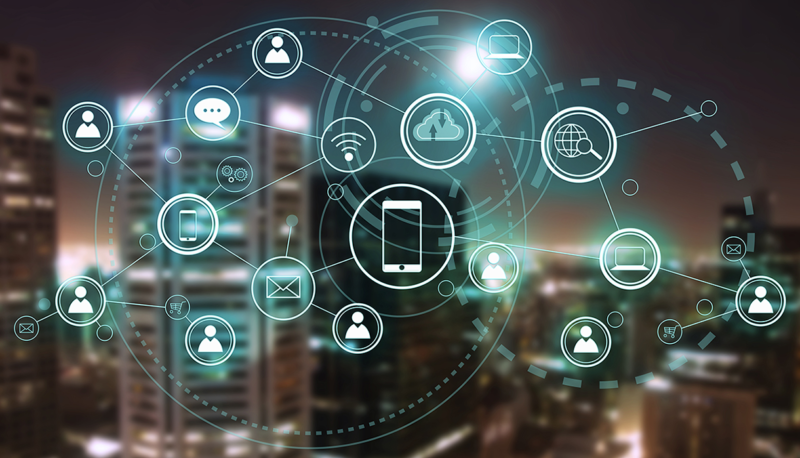
The Internet of Things (IoT) refers to the network of physical devices—such as home appliances, vehicles, wearable tech, and industrial machines—that are embedded with sensors, software, and other technologies to exchange data over the Internet. The goal is to create a seamless connection between the physical and digital worlds, allowing devices to “talk” to each other and automate tasks with little to no human intervention.
Examples of IoT devices include smart thermostats, fitness trackers, smart refrigerators, and connected cars. These devices collect data and send it to a central system (like an app or platform), which then processes the information and allows users to interact with their environment in new and innovative ways.
2. How IoT is Transforming Everyday Life
IoT is rapidly becoming an integral part of our daily lives, reshaping how we interact with our surroundings. Here are some key areas where IoT is making the biggest impact.
2.1. Smart Homes: Convenience and Control at Your Fingertips
One of the most popular uses of IoT technology is in smart homes. Devices like smart lights, locks, cameras, and thermostats can be controlled remotely via smartphone apps, providing greater convenience and energy efficiency. Imagine adjusting your home’s temperature before you arrive or checking on your pets through a smart camera while you’re at work.
With IoT, you can set routines, automate tasks, and monitor your home’s energy usage, saving time and reducing your environmental footprint.
Popular Smart Home Devices:
- Amazon Echo/Google Home: Voice assistants that control other smart devices.
- Philips Hue: Smart lighting system that you can adjust remotely.
- Nest Thermostat: A smart thermostat that learns your preferences and optimizes energy usage.
2.2. Wearable Tech: A Health Revolution on Your Wrist
Wearable devices, such as fitness trackers and smartwatches, have become essential tools for monitoring health and fitness. These devices track everything from heart rate and step count to sleep quality and calories burned, providing users with real-time data about their health.
With IoT-enabled wearables, users can also receive alerts for irregular heartbeats, track blood oxygen levels, or even monitor chronic conditions like diabetes.
Popular IoT Wearables:
- Apple Watch: Tracks fitness metrics, sleep, and even detects falls or abnormal heart rhythms.
- Fitbit: Offers personalized health and fitness insights based on real-time data.
- Oura Ring: A smart ring that monitors sleep, activity, and body temperature.
2.3. Smart Cities: Optimizing Urban Living
IoT is also transforming the way cities operate, giving rise to the concept of smart cities. By connecting infrastructure—like traffic lights, public transportation systems, and waste management—IoT allows cities to optimize services and improve the quality of life for residents.
For example, smart traffic systems can reduce congestion by adjusting traffic lights in real-time, while IoT-powered street lighting can dim or brighten based on foot traffic, reducing energy consumption.
Smart City Innovations:
- Smart Grids: Power grids that automatically balance supply and demand, preventing blackouts and reducing energy waste.
- Smart Waste Management: IoT sensors in trash bins signal when they’re full, allowing for more efficient collection routes.
- Smart Parking: Apps that show available parking spaces in real-time, reducing the time spent searching for parking.
2.4. IoT in Transportation: The Future of Connected Cars
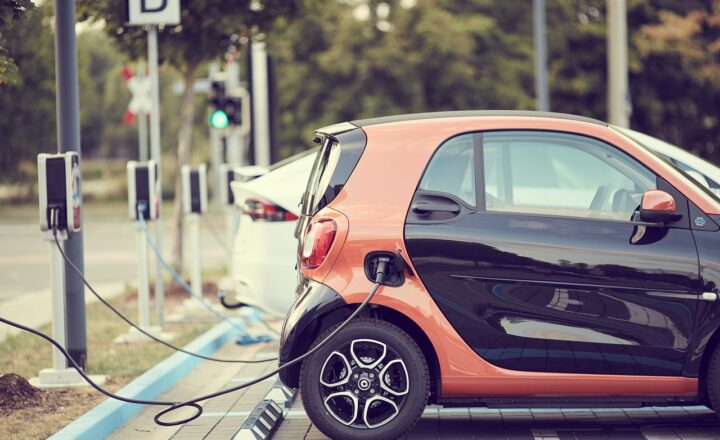
The automotive industry is rapidly embracing IoT to create connected cars that can communicate with each other and the world around them. From in-car entertainment systems to real-time traffic updates and predictive maintenance, IoT is transforming the way we drive.
More advanced applications include autonomous vehicles, which rely on IoT to navigate and communicate with infrastructure like traffic lights or road signs. IoT can also help optimize routes, monitor vehicle performance, and even call emergency services in case of an accident.
Connected Car Features:
- Real-Time Navigation: Traffic updates that help you avoid congestion.
- Remote Monitoring: Track vehicle performance and detect maintenance needs before they become problems.
- Autonomous Driving: Cars equipped with sensors and AI to navigate roads with minimal human input.
3. The Benefits of IoT Technology
IoT technology promises numerous benefits for consumers, businesses, and cities alike. Here’s a look at the top advantages of IoT.
3.1. Increased Convenience and Automation
IoT makes daily tasks more convenient by automating mundane activities. Whether it’s scheduling lights to turn on at sunset or having your coffee maker start brewing as soon as your alarm goes off, IoT allows for seamless control of your environment. With just a few taps on your smartphone, you can manage various aspects of your home, car, or office, saving time and effort.
3.2. Enhanced Health and Safety
Wearable devices and smart home technology contribute to improved health and safety. Smart locks and security cameras help protect your home, while health wearables track vital statistics, providing users with real-time information that can prevent or manage health conditions.
IoT can also enhance safety in industrial settings, where sensors monitor equipment for malfunctions or hazardous conditions and can automatically shut down machines to prevent accidents.
3.3. Energy Efficiency and Cost Savings
IoT enables more efficient use of energy and resources, both in homes and businesses. Smart thermostats and lighting systems optimize energy consumption based on user preferences and schedules, reducing waste and lowering energy bills. Smart grids and IoT sensors can also help utilities monitor and manage energy use on a larger scale, leading to significant cost savings and a reduced carbon footprint.
4. Challenges and Concerns Surrounding IoT
While IoT offers many advantages, it also presents several challenges that need to be addressed, particularly around privacy, security, and infrastructure.
4.1. Data Privacy and Security
One of the biggest concerns with IoT devices is data privacy. As more devices become connected and collect personal information, the risk of data breaches increases. Hackers could potentially gain access to sensitive data or take control of IoT devices, compromising user security.
To mitigate these risks, users should ensure that their devices are protected with strong passwords and that software is regularly updated. Manufacturers also need to prioritize security features and encryption to protect user data.
4.2. Compatibility and Standardization
With so many different IoT devices on the market, compatibility can be an issue. Not all devices can communicate with each other, especially if they are from different manufacturers. This lack of standardization makes it difficult for users to create a cohesive smart home or office ecosystem.
Efforts are being made to develop universal IoT standards, but until then, users may face challenges when trying to integrate different devices into a single platform.
4.3. Dependence on Connectivity
IoT devices rely heavily on internet connectivity, which means they are vulnerable to network outages. A slow or unreliable internet connection can disrupt the performance of IoT devices, rendering them ineffective during critical moments.
As IoT continues to expand, infrastructure improvements, such as faster 5G networks, will be crucial to support the growing number of connected devices.
5. The Future of IoT: What’s Next?
The future of IoT is full of exciting possibilities. As the technology continues to advance, we can expect even more sophisticated applications in areas like healthcare, manufacturing, and artificial intelligence.
5.1. AI-Powered IoT Devices
Combining IoT with artificial intelligence (AI) will take automation to the next level. AI-powered IoT devices can learn from user behavior, making smarter, data-driven decisions without human input. This could lead to even more personalized experiences, from fully autonomous homes to predictive healthcare that prevents illness before it happens.
5.2. IoT in Healthcare
The healthcare industry is already beginning to embrace IoT through devices that monitor patients in real time. In the future, we can expect remote monitoring systems to become even more advanced, allowing doctors to track patients’ health remotely and intervene when necessary. This could revolutionize healthcare delivery, especially for chronic conditions like diabetes or heart disease.
Conclusion: Embracing the IoT Revolution
The Internet of Things is transforming how we live, work, and interact with our surroundings. From smart homes and wearable devices to connected cars and smart cities, IoT is creating a more convenient, efficient, and responsive world. However, with these advancements come challenges around privacy, security, and compatibility that must be addressed as the technology continues to evolve.
As IoT becomes more integrated into everyday life, we’re only just beginning to see its potential. The future promises even greater innovations that will reshape our understanding of connectivity, convenience, and automation.