Sustainable Fashion: How Eco-Friendly Trends are Shaping the Future of Style

Charlotte Hayes
October 19, 2024
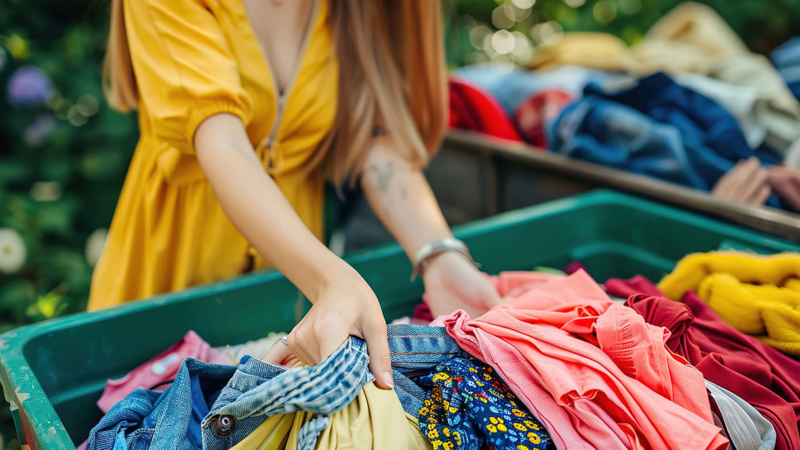
In recent years, sustainable fashion has moved from niche conversations to the forefront of the global fashion industry. As consumers become more conscious of their environmental impact, they are demanding more from the brands they love. This shift has given rise to eco-friendly trends, innovative materials, and responsible production practices that are shaping the future of style. In this article, we will explore what sustainable fashion means, why it matters, and how both consumers and brands are contributing to a more ethical and environmentally friendly fashion landscape.
1. What is Sustainable Fashion?
Sustainable fashion refers to clothing and accessories that are produced in an environmentally and socially responsible manner. This encompasses everything from the sourcing of raw materials to manufacturing, distribution, and end-of-life disposal. The goal of sustainable fashion is to minimize environmental impact and ensure fair treatment of workers throughout the supply chain.
Key elements of sustainable fashion include:
- Ethical Labor Practices: Ensuring workers are paid fairly and work in safe conditions.
- Eco-Friendly Materials: Using organic, recycled, or biodegradable materials to reduce environmental harm.
- Low-Impact Manufacturing: Implementing production processes that use less water, energy, and chemicals.
- Circular Fashion: Encouraging recycling, reusing, and upcycling to reduce waste and extend the life of garments.
2. The Environmental Impact of Fast Fashion
To understand the importance of sustainable fashion, it’s essential to first look at the negative impact of fast fashion on the environment. Fast fashion refers to the mass production of inexpensive clothing that follows the latest trends but is designed for short-term use. The fast fashion model encourages overconsumption and has several environmental and ethical drawbacks.
Water Usage
The fashion industry is one of the largest consumers of water. It takes approximately 2,700 liters of water to produce a single cotton T-shirt—enough for one person to drink for 2.5 years. The excessive use of water, particularly in regions facing water scarcity, puts a strain on global water resources.
Textile Waste
Fast fashion promotes a throwaway culture, leading to excessive waste. In the U.S. alone, over 17 million tons of textile waste end up in landfills each year. Most of these materials are synthetic fibers that can take hundreds of years to decompose, releasing harmful chemicals and greenhouse gases as they break down.
Chemical Pollution
The production of synthetic fabrics like polyester and nylon involves the use of toxic chemicals that can pollute water sources and harm aquatic ecosystems. Additionally, the dyeing process for textiles contributes to about 20% of global industrial water pollution.
Carbon Emissions
The fashion industry is responsible for around 10% of global carbon emissions—more than international flights and maritime shipping combined. The transportation of raw materials and finished products across long distances adds to the industry’s carbon footprint.
3. Key Trends in Sustainable Fashion
As awareness of the environmental impact of fast fashion grows, several key trends have emerged in the sustainable fashion movement. These trends reflect a shift toward more eco-conscious consumer behavior and responsible production practices.
1. Slow Fashion
Slow fashion is the antithesis of fast fashion. It promotes the idea of buying less but investing in higher-quality, timeless pieces that are built to last. Slow fashion encourages consumers to think about the longevity of their clothing and make mindful purchasing decisions.
2. Sustainable Fabrics
Eco-friendly materials are at the heart of sustainable fashion. Some of the most popular sustainable fabrics include:
- Organic Cotton: Grown without harmful pesticides or synthetic fertilizers.
- Hemp: A versatile, fast-growing plant that requires minimal water and no pesticides.
- Tencel/Lyocell: Made from sustainably harvested wood pulp, these fabrics are biodegradable and require less water in production.
- Recycled Fabrics: Materials like recycled polyester and nylon are made from post-consumer plastic waste, reducing the need for virgin materials.
3. Second-Hand and Vintage Clothing
The popularity of second-hand shopping has surged in recent years, driven by platforms like Depop, ThredUp, and Poshmark. Buying second-hand or vintage clothing reduces the demand for new products, which in turn decreases the industry’s environmental footprint. This trend also aligns with the concept of circular fashion, where garments are given new life instead of ending up in landfills.
4. Transparency and Ethical Sourcing
More consumers are demanding transparency from fashion brands about their supply chains and labor practices. Ethical fashion brands are rising to the challenge by providing information about where and how their clothes are made, ensuring that workers are paid fairly and work in safe conditions.
5. Capsule Wardrobes
A capsule wardrobe is a collection of essential, versatile pieces that can be mixed and matched to create a wide range of outfits. By focusing on quality over quantity, capsule wardrobes promote mindful consumption and reduce the need for frequent purchases.
4. How Brands Are Leading the Charge
The push for sustainable fashion is not just coming from consumers—many brands are stepping up to the plate, making significant changes in how they produce and sell clothing. Here are a few examples of how brands are embracing sustainability:
1. Patagonia
Patagonia has long been a leader in environmental responsibility. The brand is known for its use of recycled materials, ethical labor practices, and commitment to reducing its environmental impact. Patagonia also encourages customers to repair, reuse, and recycle their garments through its Worn Wear program.
2. Stella McCartney
Stella McCartney is a pioneer in sustainable luxury fashion. The brand uses eco-friendly materials like organic cotton, recycled nylon, and vegan leather. McCartney is also a vocal advocate for animal rights, ensuring that no animal-derived products are used in her collections.
3. Allbirds
Allbirds focuses on creating eco-friendly footwear using sustainable materials like merino wool, eucalyptus fibers, and sugarcane. The company is committed to reducing its carbon footprint and offers a carbon-neutral shoe collection.
4. H&M Conscious
While fast fashion brands have been criticized for their environmental impact, some are taking steps toward sustainability. H&M’s Conscious collection features clothing made from organic and recycled materials. The brand has also launched a garment recycling program, encouraging customers to donate their old clothes for recycling or reuse.
5. The Role of Consumers in Promoting Sustainable Fashion
Consumers play a crucial role in driving the shift toward sustainable fashion. Here are some ways you can make a positive impact:
1. Buy Less, Choose Wisely
The most sustainable fashion choice is to buy fewer clothes and focus on quality. Look for pieces that are versatile, durable, and timeless rather than chasing fleeting trends.
2. Support Ethical Brands
Research the brands you buy from and choose those that prioritize sustainability and ethical labor practices. Many brands provide transparency about their production processes, so it’s easier than ever to make informed choices.
3. Extend the Life of Your Clothes
Take care of the clothes you already own by following proper washing and care instructions. Repair items instead of throwing them away, and consider upcycling old garments into new creations.
4. Shop Second-Hand
Thrifting is not only budget-friendly but also environmentally friendly. By buying second-hand, you’re reducing demand for new products and helping to extend the lifecycle of existing garments.
5. Recycle and Donate
When you no longer want or need an item, donate it to a charity or take advantage of clothing recycling programs offered by many brands.
6. The Future of Sustainable Fashion
As we look to the future, it’s clear that sustainability will continue to be a driving force in the fashion industry. Here are a few key developments to watch for:
1. Biodegradable and Regenerative Fabrics
Researchers are developing new materials that are fully biodegradable or regenerative, meaning they can restore and renew natural ecosystems. These innovations will reduce the environmental impact of textile production and waste.
2. Circular Fashion Economy
The circular fashion economy, which focuses on reusing and recycling materials, is expected to grow. Brands will increasingly adopt practices that extend the lifecycle of garments, from take-back programs to upcycling initiatives.
3. Sustainable Fashion Tech
Technology will play a significant role in the future of sustainable fashion. Innovations like 3D printing, AI-based garment design, and blockchain for supply chain transparency will help brands minimize waste and reduce their environmental footprint.
Conclusion: Fashioning a Sustainable Future
Sustainable fashion is more than a trend—it’s a necessary response to the environmental and ethical challenges facing the fashion industry. By embracing eco-friendly materials, supporting ethical brands, and making mindful choices as consumers, we can help shape a fashion industry that respects both people and the planet. The future of fashion is not just about looking good—it’s about doing good.