The Future of Electric Vehicles: Revolutionizing the Global Transport Industry

Evan Morgan
October 19, 2024
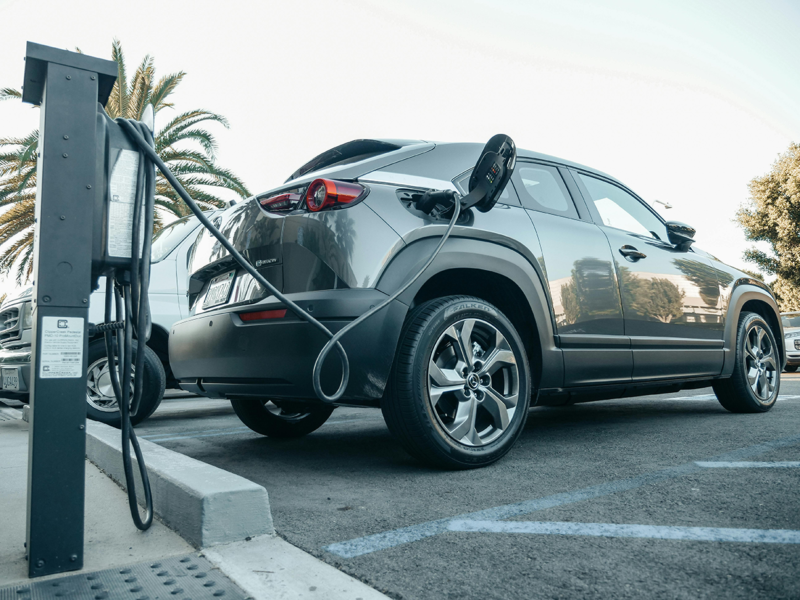
The transport industry is experiencing a dramatic transformation with the rise of electric vehicles (EVs). What was once considered a niche product for environmentally conscious consumers is now becoming a mainstream solution to reducing carbon emissions and combating climate change. With advancements in battery technology, widespread infrastructure development, and increasing government support, electric vehicles are poised to become the standard mode of transportation in the future. In this article, we will explore the history of electric vehicles, their current state, challenges, and opportunities, as well as what the future holds for EVs and the global transport industry.
A Brief History of Electric Vehicles
Electric vehicles have a long history, dating back to the 19th century. In the 1830s, Scottish inventor Robert Anderson created the first crude electric carriage, marking the beginning of electric transportation. By the early 20th century, EVs were more popular than gasoline-powered cars due to their simplicity and ease of operation. However, with the mass production of internal combustion engine vehicles, led by Henry Ford’s Model T, electric vehicles fell out of favor, and gasoline cars dominated the market for most of the 20th century.
It wasn’t until the late 20th and early 21st centuries that electric vehicles began making a resurgence. Rising concerns over air pollution, energy security, and climate change, combined with advancements in battery technology, led to a renewed interest in EVs. Companies like Tesla, Nissan, and General Motors pioneered modern electric cars, reigniting the industry’s interest in sustainable transportation.
The Current State of Electric Vehicles
Electric vehicles have made significant strides in recent years. Today, EVs are more affordable, efficient, and widely available than ever before. Here are some key factors contributing to their rapid adoption:
1. Advancements in Battery Technology
One of the primary barriers to widespread EV adoption was the limited range and long charging times associated with early electric vehicles. However, advancements in lithium-ion battery technology have greatly increased the range of EVs while reducing charging times. Some EVs now offer ranges of over 300 miles on a single charge, with rapid charging stations able to replenish 80% of a battery in less than 30 minutes.
2. Infrastructure Development
The expansion of charging infrastructure has been crucial to the growth of the EV market. Governments and private companies have invested heavily in building networks of charging stations to make electric vehicles more practical for everyday use. As of 2024, there are over 100,000 public charging stations in the United States alone, and Europe and China are rapidly expanding their networks as well.
3. Government Incentives and Policies
Governments around the world are promoting electric vehicles through incentives such as tax credits, rebates, and subsidies for both consumers and manufacturers. In addition, many countries are introducing regulations that mandate a reduction in vehicle emissions and the eventual phasing out of gasoline-powered vehicles. For instance, the European Union aims to ban the sale of new internal combustion engine cars by 2035, further accelerating the shift to electric mobility.
The Environmental and Economic Impact of EVs
1. Environmental Benefits
One of the primary reasons for the global push towards electric vehicles is their potential to reduce greenhouse gas emissions. Unlike gasoline-powered cars, EVs produce zero tailpipe emissions. When powered by renewable energy sources such as wind or solar, electric vehicles can be nearly carbon neutral. This shift is essential in the fight against climate change, as transportation is one of the largest contributors to global carbon emissions.
2. Economic Opportunities
The rise of electric vehicles also presents significant economic opportunities. The growing demand for EVs is driving innovation and creating jobs in industries such as battery manufacturing, software development, and charging infrastructure. Additionally, the shift to EVs is reducing dependence on oil, contributing to energy security and price stability.
Challenges Facing Electric Vehicle Adoption
Despite the many advantages of electric vehicles, several challenges remain that could slow their adoption:
1. High Initial Costs
Although the price of electric vehicles has decreased in recent years, EVs still tend to have higher upfront costs compared to their gasoline counterparts. This is largely due to the high cost of batteries, which account for a significant portion of an EV’s price. However, as battery production scales up and technology improves, the price gap between electric and gasoline vehicles is expected to close.
2. Limited Range and Charging Infrastructure
While range and charging times have improved significantly, some consumers are still concerned about the practicality of electric vehicles for long-distance travel, especially in areas with limited charging infrastructure. To address this issue, companies and governments are investing in the development of fast-charging networks and researching new battery technologies to increase range and reduce charging times even further.
3. Battery Recycling and Sustainability
The environmental benefits of electric vehicles are clear, but concerns remain about the sustainability of battery production and disposal. Lithium-ion batteries rely on the extraction of rare materials such as lithium, cobalt, and nickel, which can have significant environmental and social impacts. Additionally, there is currently no widespread infrastructure for recycling EV batteries. Addressing these issues will be crucial to making electric vehicles a truly sustainable solution.
The Future of Electric Vehicles: Key Trends and Opportunities
1. Autonomous Electric Vehicles
The future of electric vehicles is not just about replacing gasoline engines with electric motors – it also involves integrating autonomous driving technology. Many experts believe that the combination of electric and autonomous vehicles will revolutionize the way we think about transportation. Companies like Tesla, Waymo, and Uber are already testing self-driving electric cars, which have the potential to reduce traffic accidents, improve efficiency, and make transportation more accessible to a wider audience.
2. Vehicle-to-Grid (V2G) Technology
Vehicle-to-grid technology is an emerging trend that allows electric vehicles to not only draw energy from the grid but also send energy back to it. This can help stabilize the electrical grid during peak demand periods and provide an additional source of revenue for EV owners. As more renewable energy sources are integrated into the grid, V2G technology could play a crucial role in balancing supply and demand.
3. Solid-State Batteries
Solid-state batteries represent the next generation of EV battery technology. These batteries use a solid electrolyte instead of the liquid electrolyte found in traditional lithium-ion batteries, offering several advantages, including higher energy density, faster charging times, and improved safety. While solid-state batteries are still in the development phase, they hold the potential to dramatically improve the performance and affordability of electric vehicles in the coming years.
Conclusion
Electric vehicles are revolutionizing the global transport industry and offering a sustainable alternative to traditional gasoline-powered cars. With advancements in battery technology, expanded infrastructure, and strong government support, the future of electric mobility looks brighter than ever. However, overcoming challenges such as cost, range, and sustainability will be key to ensuring the widespread adoption of EVs. As the world continues to prioritize environmental sustainability, electric vehicles will play a crucial role in shaping the future of transportation.