The Role of Technology in Fighting Climate Change: What’s Working?

Evan Morgan
November 10, 2024
Climate change is one of the gravest challenges humanity faces today. As the planet warms and weather patterns become increasingly erratic, the urgency for innovative solutions grows. Technology, in particular, plays a pivotal role in mitigating climate change and advancing sustainability. In this article, we will explore various technological advancements that contribute effectively to combating climate change and promoting a greener future.
—
1. Renewable Energy Technologies
The shift from fossil fuels to renewable energy sources is crucial in reducing greenhouse gas emissions. Technologies harnessing solar, wind, hydro, and geothermal energy are becoming more efficient and cost-effective.
#
Solar Power
Solar energy technology has advanced significantly over the past decade. Innovations like photovoltaic cells and solar thermal energy systems allow for efficient harnessing of the sun’s energy. Global capacity for solar power has surged, with the International Renewable Energy Agency (IRENA) reporting that solar PV accounted for over 40% of new power generation capacity in 2020.
#
Wind Energy
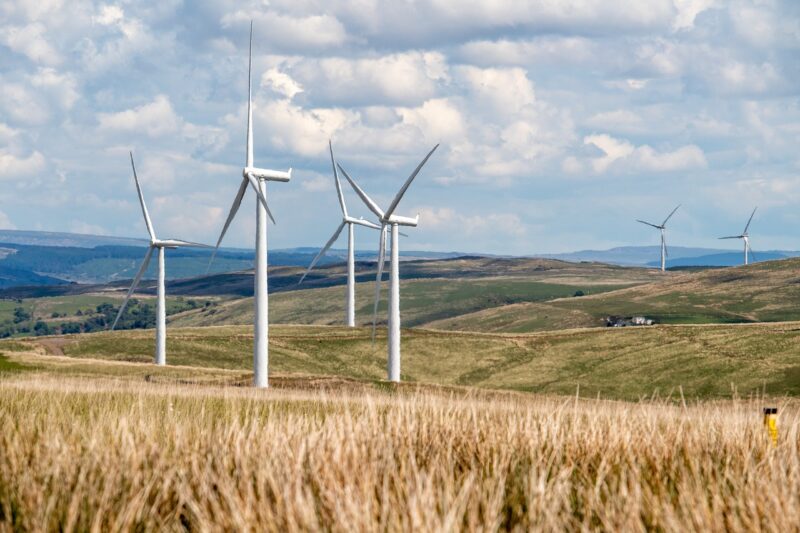
Wind technology has also seen incredible growth. Both onshore and offshore wind farms are now able to generate substantial electricity. Turbine designs have improved to capture wind energy more effectively, with larger blades and advanced materials contributing to higher efficiency and reliability.
#
Improvements in Energy Storage
One of the challenges with renewable energy is intermittency. To address this, advancements in battery technology, particularly lithium-ion and emerging alternatives like flow batteries, are ensuring that excess energy generated during peak production can be stored and used when demand rises. This advancement enhances the reliability of renewable energy sources.
—
2. Smart Grids and Energy Efficiency
Smart grid technology integrates information and communication technology into the electric grid, allowing for two-way communication between the utility and its customers. This advancement improves the efficiency and reliability of electricity distribution, aiding energy conservation.
#
Demand Response Programs
Smart grids facilitate demand response programs where consumers can be incentivized to reduce usage during peak hours. This process alleviates the need for additional power plants that may contribute to higher emissions.
#
Smart Thermostats and IoT
Devices such as smart thermostats can optimize energy use in homes and businesses. The Internet of Things (IoT) connects appliances, enabling remote monitoring and control, leading to significant energy savings and enhanced efficiency in energy consumption.
—
3. Carbon Capture and Storage (CCS)
Carbon capture technology is critical for reducing CO2 emissions from industrial processes and power plants. CCS involves capturing carbon dioxide emissions before they enter the atmosphere and storing them underground or repurposing them for use in other industrial applications. Technologies enabling this process, like direct air capture (DAC), can significantly reduce the carbon footprint of various sectors.
Recent advances have shown promise in making these technologies more economically viable, with companies like Climeworks and Carbon Engineering leading the way in capturing atmospheric CO2 on a larger scale.
—
4. Electric Vehicles (EVs)
The transportation sector is a significant contributor to greenhouse gas emissions. Electric vehicles represent a transformative shift in reducing these emissions. While EVs are not entirely free of environmental impact, they offer a cleaner alternative, particularly as grids become greener and more renewable energy sources are used in electricity generation.
#
Charging Infrastructure
The expansion of charging infrastructure significantly impacts the adoption of electric vehicles. Governments and private companies invest in establishing a robust network of charging stations, making it more convenient for consumers to transition from gasoline-powered vehicles to electric ones.
#
Autonomous Vehicles
Moreover, the development of autonomous electric vehicles could decrease traffic congestion and optimize driving patterns, resulting in reduced emissions. Such vehicles can continuously calculate the most efficient routes using real-time data, thereby lessening unnecessary fuel usage.
—
5. Sustainable Agriculture Technologies
Agriculture contributes approximately 10-12% of global greenhouse gas emissions. Technologies that promote sustainable farming practices are essential to mitigate this impact.
#
Precision Agriculture
Precision agriculture leverages technologies such as GPS, IoT devices, and drone monitoring to optimize farming operations. By providing real-time data, farmers can make informed decisions on water use, fertilization, and pest control, reducing waste and enhancing crop yield.
#
Vertical Farming
Vertical farming is another innovation gaining traction. By growing crops in controlled environments stacked vertically, urban farming solutions can reduce land usage, conserve water, and minimize transportation emissions. These systems often utilize hydroponic or aeroponic techniques, which can further decrease a farm’s carbon footprint.
—
6. Climate Monitoring and Data Analytics
Accurate climate monitoring is essential for understanding ongoing changes and determining effective responses to climate challenges.
#
Satellite Technology
Satellites play a crucial role in climate monitoring, providing data on land use, deforestation, and carbon emissions. This information helps governments and organizations plan and implement strategies to address climate change more effectively.
#
Big Data and AI
Moreover, big data analytics and artificial intelligence are utilized to model climate scenarios and predict future changes. These technologies can identify areas at risk and inform policies ranging from urban planning to disaster management.
—
Conclusion
Innovation is driving the global response to climate change. Technologies in renewable energy, carbon capture, electric vehicles, sustainable agriculture, and climate analytics showcase the potential for effective solutions. However, technology alone is not enough; collective action from governments, businesses, and individuals is crucial. By harnessing these advances and committing to sustainability, we can combat climate change and secure a healthier planet for future generations.
As we continue moving forward, it is essential to support policies promoting technological innovation while emphasizing conservation and sustainability practices. Together, we can make impactful strides against climate change through technology and innovation in the years ahead.