Are Your Daily Habits Secretly Harming Your Heart Health?

Emma Wallace
November 10, 2024
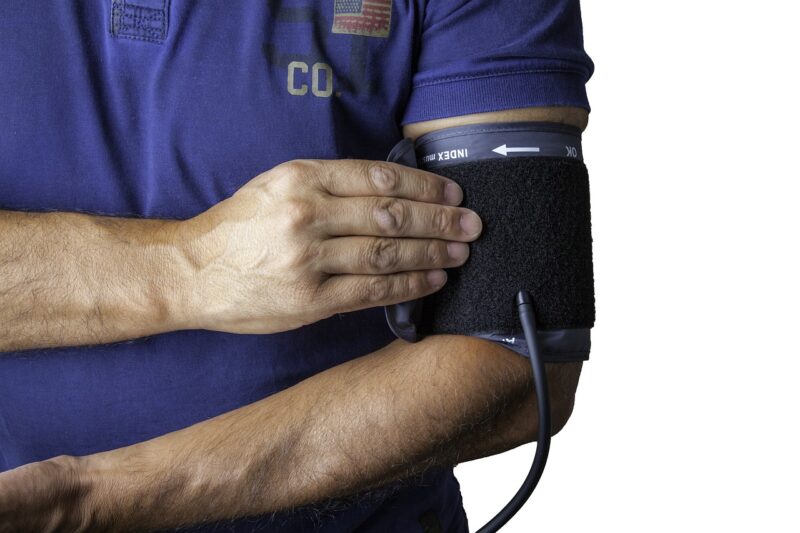
When it comes to heart health, many people often focus on significant lifestyle changes, such as diet and exercise, but overlook the everyday habits that can have a detrimental impact. Many daily practices that seem harmless—like your morning routine or how you spend your leisure time—may be quietly compromising your cardiovascular health. Understanding and modifying these habits can play a crucial role in enhancing your overall heart health.
1. The Importance of Heart Health
Heart disease remains one of the leading causes of death worldwide, claiming millions of lives each year. The heart is a vital organ responsible for pumping blood and supplying oxygen to the body. Therefore, maintaining its health through informed lifestyle choices is essential. Regular check-ups and awareness about heart health can significantly reduce risks associated with heart disease.
Risk factors include:
- Unhealthy Eating: Diet high in saturated fats, trans fats, salt, and sugar.
- Physical Inactivity: Lack of regular physical exercise.
- Tobacco Use: Smoking and exposure to secondhand smoke.
- Excessive Alcohol Consumption: Drinking in large amounts can raise blood pressure.
Being mindful of daily habits can greatly affect these risk factors and overall heart health.
2. Everyday Habits That Impact Your Heart
Unbeknownst to many, certain seemingly benign daily habits might contribute to heart issues. Here is a closer look at some of these habits:
A. Sedentary Lifestyle
Modern technology has made many aspects of life more convenient, often at the expense of physical activity.
- Long Hours of Sitting: Spending extended periods sitting—whether at work or home—can contribute to weight gain and heart disease. Consider standing desks, taking regular breaks to walk, or engaging in desk exercises.
- Leisure Activities: Favoring sedentary activities, like binge-watching TV or scrolling through social media, should be counterbalanced with physical activity. Aim for at least 150 minutes of moderate exercise per week.
B. Poor Eating Habits
What you eat daily has a profound effect on your heart health.
- Fast Food & Processed Snacks: Abundant in unhealthy fats, sugars, and salt, these foods increase cholesterol levels and blood pressure. Prepare fresh meals and opt for healthier snacks like fruits, vegetables, nuts, and whole grains instead.
- Portion Control: Overeating—even healthy foods—can lead to weight gain. Mind your portion sizes and eat mindfully.
C. Stress Management
Chronic stress can elevate blood pressure and increase the risk of heart disease.
- High-Pressure Jobs: Unmanaged workplace stress can take a toll on your heart. Incorporate stress-reducing techniques such as mindfulness, yoga, or tai chi into your routine.
- Work-Life Balance: Striking a balance between work and personal life can minimize stress. Make time for hobbies, family, and relaxation.
D. Inadequate Sleep
Sleep is often sacrificed in today’s fast-paced world but is crucial for heart health.
- Sleep Deprivation: Chronic lack of sleep contributes to conditions like high blood pressure, obesity, and diabetes, increasing heart disease risk. Aim for 7-9 hours of quality sleep each night.
- Poor Sleep Hygiene: Irregular sleep patterns can adversely affect heart health. Establish a regular sleep schedule and create a calming bedtime routine.
E. Tobacco and Alcohol Use
Both tobacco and excessive alcohol consumption are well-known risk factors for heart disease.
- Smoking: Nicotine raises heart rate and blood pressure, while other chemicals can damage blood vessels. Quitting smoking significantly reduces heart disease risk.
- Alcohol Consumption: While moderate drinking may provide some benefits, excessive alcohol intake can lead to high blood pressure, cardiomyopathy, and arrhythmias. Moderation is key.
3. Developing Healthier Habits
The good news is that many heart-harming habits can be modified or eliminated. Here are some strategies for developing healthier habits:
- Get Moving: Incorporate physical activity into your daily routine. Whether through organized exercise or simply taking the stairs instead of the elevator, moving more makes a positive difference.
- Eat Smart: Focus on a balanced diet rich in fruits, vegetables, whole grains, lean proteins, and healthy fats. Limit processed foods and sugar.
- Manage Stress: Find stress management techniques that work for you and practice regularly. This could be through meditation, breathing exercises, or spending time in nature.
- Prioritize Sleep: Create a sleep-conducive environment and establish a bedtime routine to improve sleep quality.
- Avoid Tobacco & Limit Alcohol: Make efforts to quit smoking and limit alcohol consumption for better heart health.
By making these minor adjustments in daily habits, you can significantly enhance your heart health and overall well-being.
4. Conclusion
Awareness is the first step toward change. Reflect on your daily habits and evaluate their impact on your heart health. Oftentimes, simple shifts in behavior can create profound enhancements to your cardiovascular well-being. Prioritize your heart health by modifying harmful behaviors and embracing beneficial ones; doing so could lead you to a longer, healthier life.
Remember, your heart health is in your hands, and small changes can lead to significant results.