Nutrition is often regarded as the cornerstone of overall health, but its importance extends deeply into our mental well-being and cognitive abilities. The foods we consume play crucial roles in brain function, impacting everything from mood to memory and long-term brain health.
1. Understanding Brain Function and Its Nutritional Needs
The human brain is a complex organ that requires a diverse range of nutrients to function optimally. It is responsible for processing information, controlling bodily functions, and regulating emotions. Research has shown that specific nutrients directly influence these capabilities.
Key nutrients for brain health include:
- Omega-3 Fatty Acids: Found in fish, walnuts, and flaxseeds, Omega-3s are vital for maintaining brain structure and function. They help build cell membranes and are involved in neurogenesis (the formation of new neurons).
- Antioxidants: Foods rich in antioxidants, such as berries, nuts, and green leafy vegetables, help protect the brain from oxidative stress, which can lead to neurodegeneration.
- B Vitamins: B vitamins, particularly B6, B12, and folate, play critical roles in brain function, including the synthesis of neurotransmitters. They help combat memory loss and cognitive decline.
- Vitamin D: Increasing evidence suggests that Vitamin D has neuroprotective effects and may help prevent cognitive decline, making it crucial for brain health.
Understanding these nutrients and their sources is essential in optimizing our diets to support brain health throughout our lives.
2. The Role of Omega-3 Fatty Acids in Cognitive Function
Omega-3 fatty acids, particularly EPA and DHA, are considered essential for proper brain function due to their role in building brain cell membranes. Several studies have found that individuals with higher levels of Omega-3s tend to perform better on cognitive tests and exhibit improved memory functions.
Additionally, Omega-3s have anti-inflammatory properties that help protect against neuroinflammation, which is linked to cognitive decline and mood disorders like depression and anxiety.
A diet rich in Omega-3 fatty acids can be achieved by including:
- Fatty fish (like salmon, mackerel, and sardines)
- Chia seeds and flaxseeds
- Walnuts
Incorporating these foods into your meals can significantly enhance your brain’s health and functionality.
3. Antioxidants and Their Protective Role
Antioxidants, compounds that fight free radicals, play a significant role in protecting the brain from oxidative stress. Chronic oxidative stress contributes to neurodegenerative diseases, including Alzheimer’s and Parkinson’s.
A diet high in antioxidants can result in better brain health over time, especially as we age. Foods rich in antioxidants include:
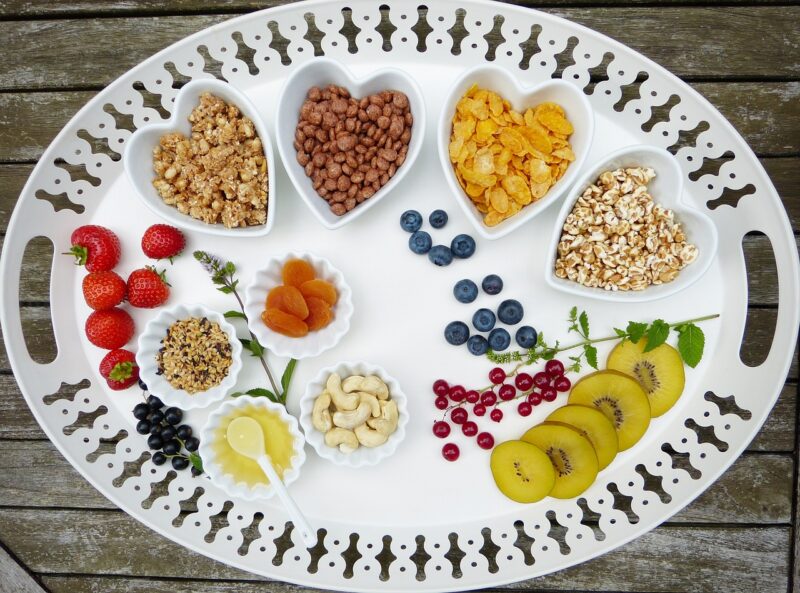
- Berries (blueberries, strawberries, raspberries)
- Dark chocolate
- Green tea
Incorporating these foods into your daily diet can bolster brain health and memory, making you feel sharper and more focused.
4. The Importance of B Vitamins in Brain Function
B vitamins are essential for energy production and the synthesis of neurotransmitters, chemicals that relay messages in the brain. Low levels of B vitamins have been linked to cognitive decline and increased risk of dementia.
Specifically, Vitamin B12 has been shown to support brain health by helping prevent the loss of neurons and ensuring effective neuronal communication. A lack of B12 can result in memory loss and confusion.
Sources of B vitamins include:
- Whole grains (like brown rice and oats)
- Legumes (beans, lentils, peas)
- Dark leafy greens (spinach, kale)
- Animal products (meat, eggs, dairy)
Ensuring adequate B vitamin intake is necessary for maintaining an optimal level of cognitive performance and memory retention.
5. The Impact of Diet on Mental Health and Memory
Recent studies highlight the connection between diet, mental health, and memory. For instance, diets high in refined sugars and unhealthy fats have been linked to increased risks of depression and cognitive decline. On the other hand, a balanced diet that includes whole foods, lean proteins, vegetables, and healthy fats supports mental health and cognitive longevity.
Specifically, the Mediterranean diet, rich in fruits, vegetables, whole grains, fish, and healthy fats like olive oil, has shown robust cognitive benefits. The key principles include:
- High intake of fresh fruits and vegetables
- Regular consumption of fish and nuts
- Moderate intake of dairy and low consumption of red meat
Adopting such dietary patterns can help stave off cognitive deficits and promote better memory functions.
6. Hydration and Cognitive Performance
While we often overlook hydration in discussions about nutrition and brain health, staying adequately hydrated is fundamental for cognitive performance. Even mild dehydration can lead to difficulties in concentration, fatigue, and impairments in mood and memory.
To support brain health:
- Aim to drink at least 8 cups of water a day, adjusting based on activity level and climate.
- Include water-rich fruits and vegetables, such as cucumbers, oranges, and watermelon, in your daily diet.
Proper hydration can enhance cognitive functions and significantly impact overall brain performance.
7. The Bottom Line: Building a Brain-Healthy Diet
To promote optimal brain health and memory retention, a holistic approach to nutrition is essential. Incorporating a wide variety of nutrient-dense foods—rich in Omega-3s, antioxidants, B vitamins, and healthy fats—coupled with proper hydration, creates a strong foundation for cognitive performance.
Consider these tips for a brain-healthy diet:
- Prioritize whole, unprocessed foods over refined and sugary options.
- Focus on colorful plates that include fruits and vegetables to maximize antioxidant intake.
- Maintain hydration throughout the day.
- Consider dietary supplementation (as needed) after consulting with a healthcare professional.
In conclusion, the connection between nutrition and brain health is profound. Making informed dietary choices can significantly enhance cognitive abilities, memory, and overall mental well-being. By investing in your diet today, you can pave the way for a sharper and healthier mind in the years to come.