The Hidden Carbon Cost of Online Shopping

Jack Avery
November 10, 2024
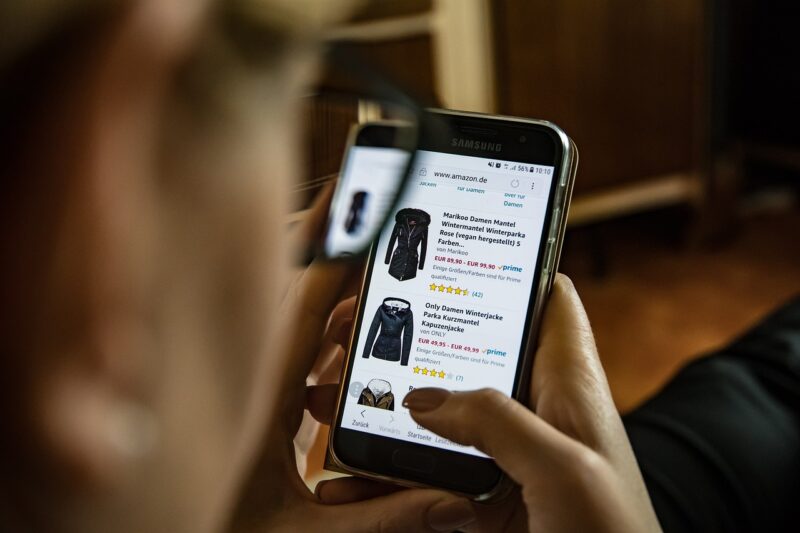
In today’s fast-paced world, online shopping has become a convenient and popular mode of purchasing goods. From clothing to electronics, consumers can easily find and buy what they need with just a few clicks. However, while the convenience of online shopping is undeniable, many people remain unaware of the environmental impact associated with this habit. In this article, we will explore the hidden carbon cost of online shopping, dissecting the carbon emissions generated throughout the entire e-commerce supply chain, and discuss actionable steps consumers and businesses can take to minimize their environmental footprint.
1. The Rise of Online Shopping and Its Environmental Impact
Online shopping has surged in popularity, with e-commerce sales consistently breaking records year after year. A study by Statista projects that global retail e-commerce sales will reach $6.54 trillion by 2022. While this growth represents a shift in consumer behavior towards convenience, it also brings forth significant environmental concerns.
The carbon footprint of online shopping is often attributed to several key factors, including:
- Packaging Waste: Unlike traditional retail where consumers bring their own bags, many online purchases come with excessive packaging. Between boxes, bubble wrap, and plastic fillers, the environmental toll of packaging waste can be severe.
- Last-Mile Delivery: The so-called “last mile” of delivery—transporting goods from the warehouse to the consumer’s doorstep—is one of the most carbon-intensive segments of the supply chain. Using delivery vans, trucks, and motorcycles generates greenhouse gases, particularly when vehicles make multiple stops or sit in traffic.
- Return Rates: The return rate for online purchases can be staggering, particularly in sectors like fashion. According to the National Retail Federation, the return rate for online purchases in 2020 was approximately 18%. Each return necessitates additional shipping which adds to the carbon footprint of the order.
By understanding these elements, consumers can start to comprehend the hidden carbon costs of their online shopping habits.
2. The Carbon Footprint of E-commerce Packaging
Packaging not only serves a functional purpose in protecting products during transit; it also contributes significantly to carbon emissions. According to a study by the Environmental Protection Agency (EPA), packaging accounts for about 30% of waste generated in landfills.
Moreover, the production of packaging materials requires energy and resources, and much of that packaging is not biodegradable. In 2020, the Ellen MacArthur Foundation reported that the plastic packaging industry emitted 200 million tons of greenhouse gases annually.
Here are some key aspects of packaging’s carbon footprint:
- Manufacturing Process: The energy used in the production of cardboard boxes, plastic films, and other packaging materials contributes directly to carbon emissions. The extraction and processing of raw materials are resource-intensive, leading to additional greenhouse gas emissions.
- Transporting Packaging Materials: The journey of packaging materials from factories to warehouses also contributes to its carbon footprint, as trucks and ships burn fossil fuels during transit.
- End of Life Disposal: Most packaging materials, especially plastics, do not decompose easily. Consequently, the disposal of discarded packaging adds to environmental concerns, including landfill overflow and ocean pollution, both of which have dire consequences on wildlife and ecosystems.
Reducing packaging waste can significantly lower the carbon footprint associated with e-commerce and will require joint action from consumers and businesses alike.
3. Last-Mile Delivery and Its Environmental Consequences
The last mile delivery refers to the final leg of the delivery process where products reach their customers. This segment is critical because it often accounts for a significant portion of the total delivery emissions. According to a 2018 report from McKinsey, last-mile delivery can comprise up to 28% of the total transportation costs in an e-commerce supply chain.
Here are factors that amplify the carbon emissions during this last mile:
- Increased Fleet Size: As demand for rapid delivery grows, companies increase their fleets of delivery vehicles. A larger number of vehicles on the road equals more emissions, especially if they are not optimized for efficiency.
- Traffic Congestion: In urban areas, delivery vehicles contribute to increased traffic congestion, which can lead to idling and longer travel times. According to the U.S. Department of Transportation, traffic congestion emits over 56 million tons of CO2 each year.
- Inefficiency in Delivery Routes: Poorly planned delivery routes can lead to wasted fuel and increased emissions, particularly if deliveries are not consolidated effectively. The practice of delivering to individual homes instead of distributing to multiple addresses increases carbon footprints significantly.
Improving the last-mile delivery process will require innovative solutions that prioritize sustainability.
4. The Impact of Returns on Carbon Emissions
Returns are a natural part of online shopping, but they come at a substantial environmental cost. When customers return products, those items must travel back to warehouses, again generating emissions related to transportation. Additionally, products that can’t be resold often end up in landfills, contributing to even larger carbon emissions.
Key statistics highlight the return issue:
- Shipping Emissions: Each return shipment can create approximately 3-4 times the carbon emissions when compared to a traditional, in-store purchase.
- Increased Waste Generation: According to a report by Optoro, up to 5 billion pounds of returned goods end up in U.S. landfills annually. This contributes to excessive waste and further strains waste management systems.
- Lost Resources: Manufacturing products and shipping them is resource-intensive. When items are returned and discarded, all of that energy, labor, and material goes to waste, leading to increased carbon emissions without corresponding benefits for consumers.
Consumers can adopt practices such as mindful purchasing and better sizing metrics to help reduce return rates and their associated environmental impact.
5. Consumer Actions to Minimize Carbon Footprint
While the environmental impact of online shopping can feel overwhelming, individual consumers can still make impactful changes in their purchasing habits to minimize their carbon footprint:
- Shop Locally When Possible: Purchasing from local merchants reduces the need for long-distance shipping, lessening the carbon emissions associated with delivery.
- Opt for Consolidated Shipping: Choose the option for slower, consolidated shipping if available, reducing the overall number of shipments and carbon emissions.
- Select Sustainable Brands: Support businesses that prioritize sustainability through eco-friendly packaging and delivery practices.
- Limit Returns: Before making a purchase, ensure the item meets your needs to avoid returns. Check reviews or size guides thoroughly to reduce the risk of return.
Through collective action, consumers can significantly curb the hidden carbon costs associated with online shopping.
6. The Role of E-commerce Businesses in Reducing Carbon Emissions
Businesses also have a crucial role to play in curbing the carbon footprint of e-commerce. Here are positive steps companies can implement:
- Utilize Eco-Friendly Packaging: Switching to biodegradable, recyclable, or reusable packaging materials can minimize environmental waste.
- Optimize Delivery Routes: Employing data-driven technologies for route optimization can reduce the distance vehicles travel, consequently lowering fuel consumption and emissions.
- Improve Return Management: Establishing efficient return processes, such as localized return options, can minimize shipping emissions related to product returns.
- Adopt Renewable Energy Sources: Businesses can invest in renewable energy to power warehouses, delivery centers, and offices, reducing their overall carbon emissions.
E-commerce businesses have an ethical responsibility to adopt sustainable practices that contribute to a healthier planet.
Conclusion
In summary, while online shopping presents a suitable alternative for consumers seeking convenience, it’s crucial to acknowledge the hidden carbon cost associated with it. Understanding the environmental implications of packaging, last-mile delivery, and returns empowers consumers and businesses to initiate positive change.
By adopting proactive measures and making informed choices, both consumers and businesses can work together to mitigate the environmental impact of e-commerce. Through awareness and action, we can ensure that the convenience of online shopping does not come at a high price for the planet.