Discovering Japan’s Cultural Heart: A Guide to Kyoto’s Temples and Traditions

Lucas Bennett
October 17, 2024
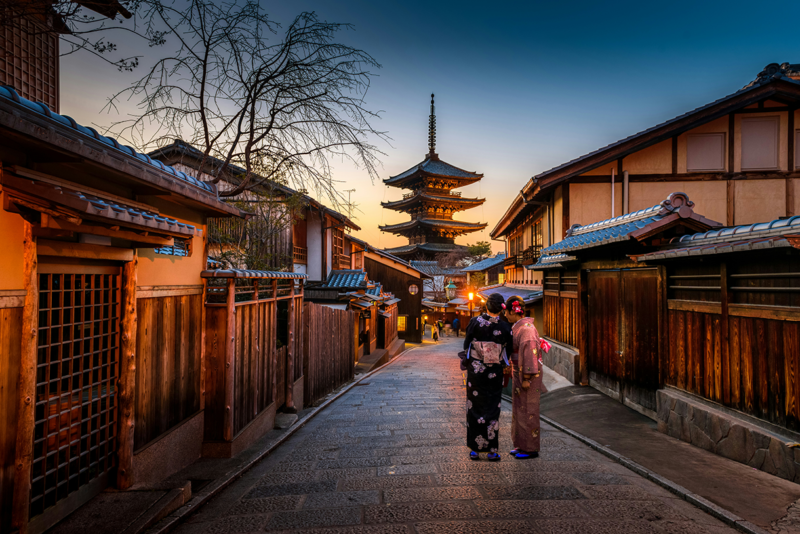
Kyoto, the ancient capital of Japan, is a city where tradition and modernity coexist harmoniously. Renowned for its well-preserved temples, shrines, traditional wooden houses, and geisha districts, Kyoto offers an immersive experience into Japan’s rich cultural heritage. This guide explores the must-visit temples, cultural experiences, and practical tips to help you uncover the essence of Kyoto.
The Timeless Appeal of Kyoto
Historical Significance
- Capital for Over a Millennium: Served as Japan’s capital from 794 to 1868.
- Cultural Preservation: Escaped destruction during World War II, retaining historical architecture.
UNESCO World Heritage Sites
- 17 Recognized Sites: Including temples, shrines, and castles, reflecting Kyoto’s historical importance.
Must-Visit Temples and Shrines
Kinkaku-ji (The Golden Pavilion)
- Iconic Landmark: A Zen Buddhist temple covered in gold leaf.
- Garden Beauty: Surrounding gardens exemplify Japanese landscape design.
- Reflection Pond: Offers stunning photo opportunities.
Fushimi Inari Taisha
- Famous Torii Gates: Thousands of vermilion gates forming paths up Mount Inari.
- Inari Worship: Dedicated to the Shinto god of rice and prosperity.
- Hiking Experience: Trails leading through wooded forests with panoramic city views.
Kiyomizu-dera
- Historic Temple: Founded in 778, known for its wooden stage jutting out from the main hall.
- Otowa Waterfall: Visitors drink from streams believed to confer health, longevity, and success.
- Cultural Atmosphere: Located near traditional streets lined with shops and teahouses.
Ginkaku-ji (The Silver Pavilion)
- Zen Temple: Though not actually covered in silver, it symbolizes refined simplicity.
- Moss Gardens and Sand Sculptures: Represent the sea and Mount Fuji.
- Philosopher’s Path: A scenic walk especially beautiful during cherry blossom season.
Ryoan-ji
- Zen Rock Garden: Famous for its minimalist design of raked gravel and 15 stones.
- Meditative Space: Encourages contemplation and interpretation.
Cultural Experiences
Geisha Districts: Gion
- Traditional Entertainment: Spot geiko (geisha) and maiko (apprentice geisha) in elegant attire.
- Tea Houses: Experience traditional performances, though access may require local connections.
- Hanamikoji Street: Lined with preserved wooden machiya houses.
Tea Ceremony
- Chanoyu: Participate in a traditional Japanese tea ceremony.
- Cultural Insight: Learn about the rituals, aesthetics, and philosophy behind the practice.
Kimono Dressing
- Cultural Attire: Rent a kimono and stroll through historic areas.
- Photo Opportunities: Enhance the immersive experience and capture memorable moments.
Traditional Crafts
- Nishijin Textile Center: Discover the art of kimono weaving.
- Pottery Workshops: Try handcrafting Kiyomizu-yaki ceramics.
Seasonal Highlights
Cherry Blossom (Sakura) Season
- Timing: Typically late March to early April.
- Viewing Spots:
- Maruyama Park: Famous for its weeping cherry tree.
- Philosopher’s Path: Lined with cherry trees along a canal.
Autumn Foliage
- Vibrant Colors: From mid-November to early December.
- Best Locations:
- Arashiyama: Scenic area with mountains and bamboo groves.
- Tofuku-ji Temple: Known for its maple trees and garden bridges.
Exploring Kyoto’s Neighborhoods
Arashiyama
- Bamboo Grove: Walk through towering bamboo stalks creating a serene atmosphere.
- Togetsukyo Bridge: Offers picturesque views over the Katsura River.
- Monkey Park Iwatayama: Interact with wild monkeys in their natural habitat.
Nishiki Market
- Kyoto’s Kitchen: A bustling market street offering local foods, spices, and souvenirs.
- Culinary Exploration: Sample traditional dishes like tofu, pickles, and sweets.
Pontocho Alley
- Dining and Nightlife: Narrow alley with traditional restaurants and bars along the Kamo River.
- Atmosphere: Combines historic charm with modern vibrancy.
Practical Tips for Travelers
Transportation
- Public Transit: Efficient network of buses and trains; consider a day pass.
- Cycling: Rent bicycles to explore the flat cityscape.
- Walking: Many attractions are within walking distance in central areas.
Accommodation
- Ryokan: Traditional Japanese inns offering tatami rooms and kaiseki meals.
- Hotels and Hostels: Options range from luxury to budget-friendly.
- Temple Stays: Experience monastic life with morning prayers and vegetarian meals.
Etiquette
- Temple Conduct:
- Remove shoes when required.
- Refrain from loud conversations.
- Photography may be restricted in certain areas.
- Public Behavior: Respect local customs, such as queueing and quietness on public transport.
Language
- English Signage: Common in tourist areas, but learning basic Japanese phrases is helpful.
- Translation Apps: Useful for communication and reading menus.
Culinary Delights
Kaiseki Dining
- Multi-Course Meal: Showcases seasonal ingredients and artistic presentation.
- Fine Dining Experience: Often served in traditional settings.
Local Specialties
- Yudofu: Boiled tofu served with dipping sauces.
- Obanzai Ryori: Traditional home-style dishes using local ingredients.
- Matcha Sweets: Green tea-flavored desserts like mochi and ice cream.
Sake Tasting
- Fushimi District: Known for sake breweries due to high-quality water.
- Tours and Tastings: Visit breweries to learn about the brewing process and sample varieties.
Embracing Kyoto’s Spiritual Essence
Meditation and Zen Practices
- Temple Programs: Participate in zazen (seated meditation) sessions.
- Mindfulness: Engage in practices that promote inner peace and reflection.
Festivals and Events
- Gion Matsuri: Held in July, one of Japan’s most famous festivals with parades and traditional performances.
- Aoi Matsuri: In May, features historical processions in period costumes.
Conclusion
Kyoto offers a profound connection to Japan’s cultural roots, where every temple, garden, and alleyway tells a story of the past. Whether you’re marveling at the golden glow of Kinkaku-ji, wandering through endless torii gates at Fushimi Inari, or sipping matcha in a centuries-old teahouse, Kyoto invites you to slow down and immerse yourself in its timeless traditions. Embrace the harmony of old and new, and let Kyoto’s spirit leave an indelible mark on your journey.