The Rise of Smartphones: How They Altered Our Daily Lives and Relationships

Charlotte Hayes
November 18, 2024
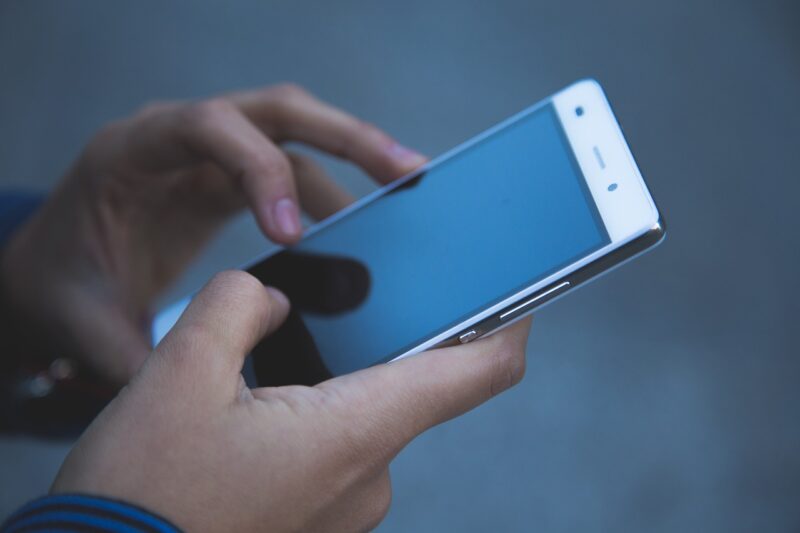
In today’s digital age, the smartphone has become an indispensable tool in our lives, integrating seamlessly into daily activities and fundamentally altering how we interact with the world around us. Since the launch of the first iPhone in 2007, smartphones have transitioned from luxury gadgets to essential devices shaping everything from communication to social interactions, entertainment, and even our mental well-being.
### 1. The Evolution of Smartphones
The smartphone has come a long way from the bulky, basic mobile phones of the late 90s and early 2000s. With advancements in technology, smartphones have evolved to become powerful handheld computers equipped with high-resolution cameras, location services, and mobile internet access. This evolution has led to substantial societal changes, impacting how we manage our day-to-day tasks.
#### Key Milestones in Smartphone Evolution:
– **2007:** Introduction of the iPhone, which revolutionized mobile touch interfaces.
– **2008:** Launch of the Android platform, providing consumers with an alternative ecosystem.
– **2010:** Introduction of high-performance cameras and app stores.
– **2016:** Arrival of edge-to-edge displays and improvements in smartphone AI capabilities.
These advancements have allowed smartphones to integrate various functionalities, including navigation systems, banking applications, social networking platforms, and even our health monitoring devices.
### 2. Changing Communication Dynamics
One of the most significant impacts of smartphones is in the realm of communication. Traditionally, phone calls and text messages were the primary modes of communication. However, smartphones have given rise to a plethora of alternative communication forms, such as instant messaging apps, video calls, and social media platforms. This shift has fostered a more interconnected world.
#### How Smartphones Changed Communication:
– **Instant Messaging:** Services like WhatsApp, Facebook Messenger, and Snapchat allow real-time conversation, transcending geographical barriers.
– **Social Media:** Platforms such as Twitter, Instagram, and TikTok foster connections and dialogue at an unprecedented scale.
– **Video Calls:** Apps like Zoom and Skype enable virtual face-to-face interactions, making long-distance communication more personal.
While these advancements have enhanced connectivity, they have also introduced challenges, such as the prevalence of online harassment and miscommunication due to the lack of physical presence.
### 3. Impact on Social Interactions
Smartphones have transformed our social lives, altering how we engage with friends, family, and even complete strangers. While they facilitate instant communication, they also pose the risk of diminishing in-person interactions, as individuals may prioritize their digital interactions over traditional socializing.
#### A Shift in Social Norms:
– **Social Media Presence:** The desire for social validation has led to an increased emphasis on curating one’s online image, often overshadowing authentic interactions.
– **Phubbing:** A modern phenomenon where individuals ignore their companions to engage with their smartphones, impacting relationships by fostering feelings of neglect and inadequacy.
– **Digital Friendships:** The rise of online communities can provide support and connection but may also result in a lack of genuine personal relationships.
This dual-edged sword highlights the complexities of modern relationships in the smartphone era.
### 4. Influence on Mental Health
The ubiquitous presence of smartphones has sparked discussions regarding their impact on mental health. On one hand, they provide access to resources and support networks; on the other, they are often linked to increased anxiety, loneliness, and depression, largely due to social comparison and the pressure of digital communication.
#### Mental Health Concerns:
– **Anxiety and Stress:** The constant connectivity can create a pressure to respond promptly, leading to feelings of overwhelm.
– **Sleep Disruption:** The blue light emitted by smartphones can interfere with sleep patterns, negatively impacting overall health.
– **Social Comparisons:** Platforms showcasing curated highlights of life can lead to unhealthy comparisons, contributing to feelings of inadequacy.
Addressing these issues requires a conscious effort to balance smartphone use with mental well-being.
### 5. The Future of Smartphones and Relationships
As technology continues to advance, it’s essential to consider the future trajectory of smartphone influence on our lives. Innovations in augmented reality, AI compatibility, and 5G technology promise to further integrate smartphones into our daily routines, potentially enhancing convenience and connection.
#### Considerations for Healthy Interaction:
– **Digital Detox:** Taking breaks from smartphone use can help restore balance in life and relationships.
– **Mindful Use:** Engaging with technology thoughtfully, prioritizing in-person interactions, and setting boundaries can mitigate negative effects.
– **Technology Design:** Future developments should focus on creating tools that promote healthier habits and foster genuine connections rather than competing for user attention.
In conclusion, smartphones have undeniably altered our daily lives and relationships, presenting distinct advantages and challenges. By navigating their influence thoughtfully, we can harness the potential of smartphones to enrich our experiences while safeguarding our mental well-being and authentic connections.
### Conclusion
The rise of smartphones reflects not just a technological evolution but a cultural shift that has redefined our interactions, leisure activities, and even our identities. As we move forward in this smartphone-driven society, the challenge lies not in resisting technology but understanding how to integrate it into our lives meaningfully and healthily.