The Future of Electric Cars: Are We Ready for a Fully Electric World?

Lucas Grant
November 10, 2024
The global shift towards sustainable transportation is perhaps one of the most defining trends of our time. With climate change concerns reaching a critical point and technological advancements soaring, electric vehicles (EVs) are no longer just a niche market — they are becoming mainstream. But are we truly ready for a world dominated by electric cars? In this comprehensive article, we will explore the evolution of electric vehicles, their benefits, challenges, and what the future holds for this burgeoning industry.
1. The Evolution of Electric Vehicles
Electric vehicles have been around in some form since the 19th century. In fact, one of the first practical electric cars was introduced in the 1830s. Fast forward to the late 20th century, and electric vehicles began to gain traction once more, primarily due to rising fuel prices and growing environmental awareness. However, it wasn’t until the advent of modern lithium-ion batteries that EVs became viable alternatives to their gasoline counterparts.
Take, for instance, the launch of the Tesla Roadster in 2008, which shattered preconceived notions about electric cars, proving they could be fun to drive, stylish, and offer impressive performance. Tesla’s success triggered a wave of innovation and investment in the EV market, leading to a diverse range of options for consumers today.
2. The Benefits of Electric Cars
The benefits of transitioning to electric vehicles are numerous and multifaceted:
- Environmental Impact: EVs produce zero tailpipe emissions, which significantly reduces air pollution in urban areas. While emissions associated with electricity generation need to be considered, studies show that EVs generally result in lower overall emissions compared to conventional vehicles, particularly as renewable energy sources are scaled up.
- Cost Savings: Although the initial cost of an electric vehicle can be higher, the long-term savings are substantial. Lower fuel costs, reduced maintenance requirements (due to fewer moving parts), and various incentives make EV ownership economically attractive in the long run.
- Energy Independence: Shifting to EVs can reduce reliance on imported oil, augmenting national energy independence and security. The ability to charge vehicles with locally generated electricity helps stabilize energy prices and create jobs in the renewable sector.
3. The Challenges Ahead
Despite the numerous benefits, several challenges must be addressed to fully embrace a future dominated by electric vehicles:
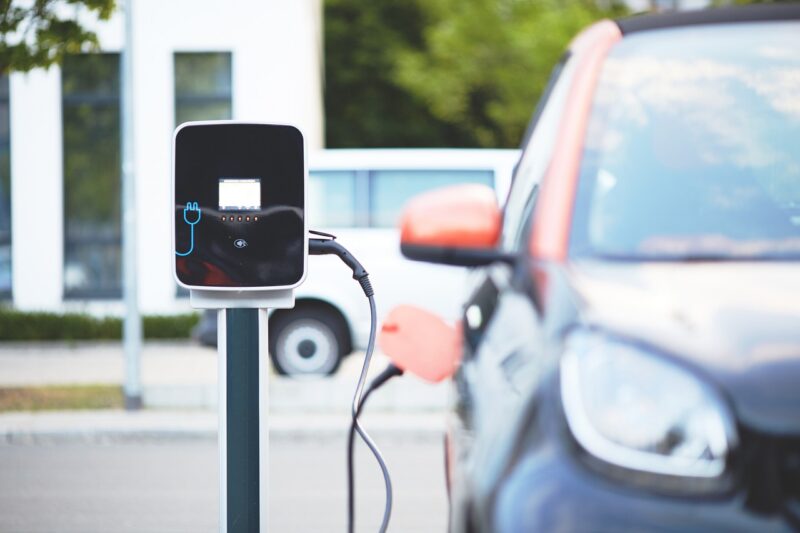
- Charging Infrastructure: A significant barrier to EV adoption is the lack of comprehensive charging infrastructure. While urban centers may have charging stations, rural and suburban areas often lack access, making long trips challenging. To foster widespread adoption, investment in charging networks is crucial.
- Battery Production & Recycling: The mass production of lithium-ion batteries requires substantial resources and energy, raising concerns about environmental sustainability. Future advancements in battery technologies will need to focus on sustainable sourcing and effective recycling methods to mitigate these concerns.
- Consumer Perception: Despite increasing awareness, some consumers still harbor skepticism about the safety, range, and performance of electric cars. Education and marketing will play vital roles in reshaping public perception and promoting the advantages of EVs.
4. The Role of Governments and Regulations
Governments around the world are playing a pivotal role in fostering the growth of electric vehicles. Initiatives vary from generous subsidies for electric car buyers, tax rebates, to strict regulations on carbon emissions for automotive manufacturers. Countries like Norway and the Netherlands demonstrate how proactive policies can lead to remarkably high EV adoption rates. Moreover, global commitments to achieve net-zero emissions will further accelerate the focus on electric vehicle technologies.
5. The Future of Electric Vehicles
The future of electric vehicles appears promising, driven by advancements in technology and changing consumer preferences. Forecasts suggest that by 2030, electric vehicles could constitute a majority of new car sales in many developed countries. As charging infrastructure expands, battery technologies advance and EV range improves, the transition to fully electric vehicles will become increasingly feasible. Furthermore, innovations in autonomous driving could reshape urban transport models, integrating electric vehicles into shared mobility solutions.
The shift to electric cars isn’t just an automotive trend; it’s a movement toward a more sustainable future. Developing efficient public transport systems alongside personal electric vehicles will also be paramount to reducing overall carbon emissions.
Conclusion
While we face challenges in realizing a fully electric world, the ongoing advancements in technology, supportive regulations, and public motivation signal a robust future for electric vehicles. Tackling infrastructure gaps, enhancing battery life, and altering consumer perceptions are essential hurdles to overcome. If we fully embrace this transition, we have the potential to reduce our carbon footprint significantly, paving the way for a cleaner and healthier planet for future generations.
Are we ready for a fully electric world? The answer lies in our collective commitment to adopting new technologies, fostering innovation, and implementing sustainable practices — and the time to act is now.