From the 70s to Today: A Colorful Exploration of Fashion Trends That Defined Generations

Emma Wallace
November 17, 2024
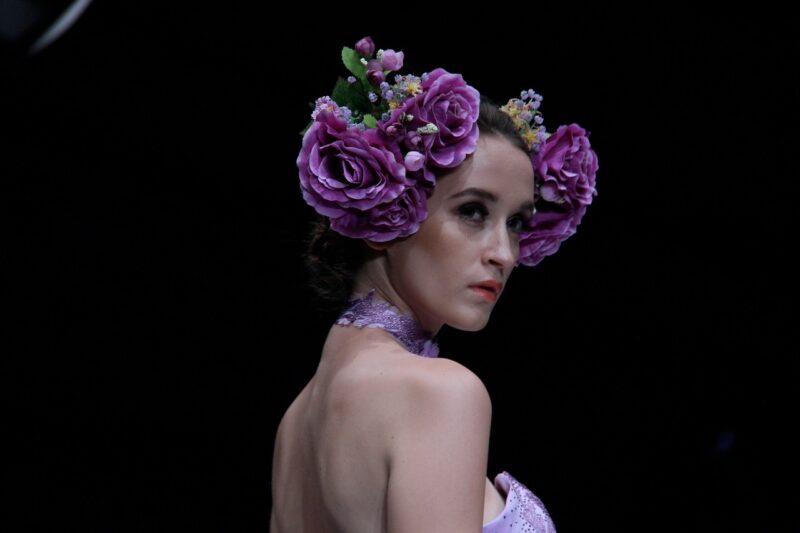
Fashion is a powerful form of self-expression that reflects cultural shifts, societal changes, and personal identities. From the vibrant prints of the 1970s to the minimalist aesthetics of the modern era, fashion has continually evolved and reinvented itself. This article takes you on a colorful journey through the decades, examining the iconic styles that have defined generations and continue to influence trends today.
1. The 1970s: Bold and Free-spirited
The 1970s heralded an era of change, both politically and socially. The fashion of this decade mirrored that transition, showcasing a blend of vibrant colors, patterns, and styles that celebrated individuality and freedom.
– Key Styles: Bell-bottom jeans, bohemian dresses, and platform shoes dominated the streets. People experimented with eclectic combinations like peasant blouses with maxi skirts or tie-dye t-shirts paired with suede vests.
– Colors and Patterns: Earth tones like browns, oranges, and greens were popular alongside bold prints and fabrics such as polyester and denim.
– Cultural Influences: The music scene, particularly rock and disco, played an integral role in shaping fashion. Influences from musicians like David Bowie and the disco culture promoted unique, artistic expressions through clothing.
2. The 1980s: Glamour and Opulence
The 1980s was defined by excess—big hairstyles, bold makeup, and even bolder fashion choices characterized an era of confidence and glamour.
– Key Styles: Power suits, shoulder pads, and acid-washed jeans defined the fashion landscape. Fashion icons like Madonna and Prince influenced styles that were loud and unapologetic.
– Colors and Patterns: Bright, neon colors took center stage, while patterns such as geometric prints were prevalent. The style was often flashy, with sequins and metallics adding to the drama.
– Cultural Influences: The rise of MTV revolutionized fashion, as music videos became platforms for iconic fashion statements. The blending of pop culture and fashion shaped not only a decade but also a legacy.
3. The 1990s: Grunge and Minimalism
The 1990s offered a stark contrast to the flamboyance of the previous decade. It was characterized by a blend of grunge aesthetics and minimalist styles.
– Key Styles: Flannel shirts, combat boots, and oversized denim jackets were symbols of the grunge movement, while minimalist fashion was epitomized by clean lines and neutral palettes.
– Colors and Patterns: A darker color palette dominated grunge, with blacks, browns, and deep greens complementing vibrant accents for minimalist fashion.
– Cultural Influences: The rise of alternative music, particularly bands like Nirvana and Pearl Jam, heavily influenced the fashion choices of the youth, pushing against mainstream norms.
4. The 2000s: Technology Meets Fashion
The early 2000s saw the intersection of technology and fashion, with the internet becoming a predominant force in shaping trends.
– Key Styles: Low-rise jeans, cargo pants, and logo-centric clothing were popular. The ‘boho’ movement was also evident in the bohemian-style dresses that graced runways and streets alike.
– Colors and Patterns: Funky prints, vibrant colors, and heavy branding characterized this era, alongside a revival of 70s-inspired styles.
– Cultural Influences: Influences from pop stars and celebrities, amplified by the rise of social media, dictated trends, with icons like Paris Hilton and Britney Spears at the forefront.
5. The 2010s: Individualism and Sustainability
The 2010s marked a shift toward individualism and sustainable fashion, with a growing awareness of ethics in clothing production.
– Key Styles: Athleisure became a prominent fashion choice, while thrift shopping gained popularity as a way to express personal style and sustainability.
– Colors and Patterns: A mix of styles dominated this era—from muted tones that reflect minimalism to vibrant hues reflecting individual expression.
– Cultural Influences: The rise of influencers on social media platforms changed the way trends were set and followed, democratizing fashion and making it accessible to a broader audience.
6. Fashion Today: A Blend of the Past and Future
Today’s fashion landscape is a melting pot, pulling elements from previous decades while looking towards the future.
– Key Styles: Streetwear continues to dominate, blending casual and comfortable clothing with high fashion. Vintage styles are making a comeback alongside gender-neutral fashion.
– Colors and Patterns: Eclectic color combinations and bold patterns reflect a desire to stand out, while sustainability trends push for eco-friendly materials.
– Cultural Influences: Globalization has influenced fashion more than ever, leading to a diverse range of styles being embraced worldwide. Icons today are not just fashion designers but also actors, musicians, and social media figures who influence trends rapidly.
Conclusion: The Ever-evolving Nature of Fashion
Fashion is a constantly evolving art form that reflects society’s changing moods, values, and technologies. Each decade has contributed unique styles and cultural shifts that continue to influence our wardrobe choices today. As we move forward, it’s essential to recognize fashion as a representation of individual expression, sustainability, and cultural identity, paving the way for future generations to build upon the whimsical foundation laid by those before them.
In embracing fashion, we celebrate not just trends but also the creative spirit that continuously shapes our world. Whether through the boldness of the 70s or the minimalist nature of today, fashion will always mirror the colors of our society and the essence of our individual stories.