
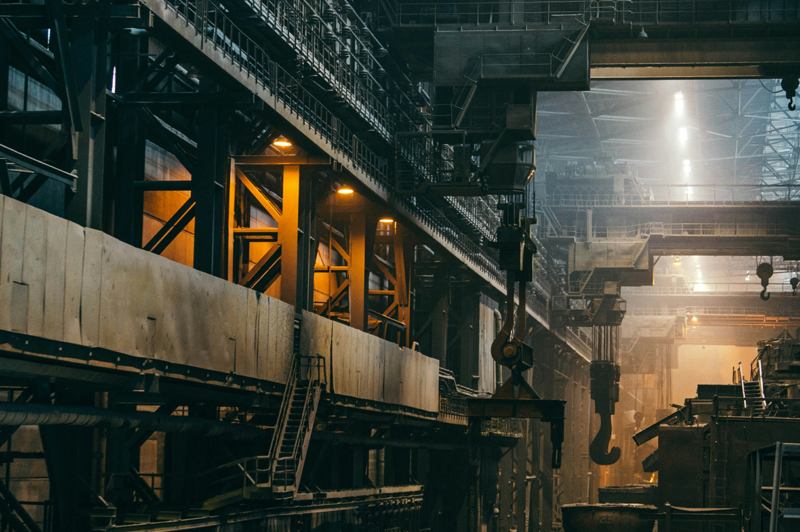
The Industrial Revolution, spanning from the late 18th to the early 19th century, was a period of profound change that reshaped economies, societies, and cultures around the world. Originating in Britain and spreading globally, it marked the transition from agrarian economies to industrialized and urban societies. This article examines the key innovations, social impacts, and lasting legacies of the Industrial Revolution.
Origins of the Industrial Revolution
Why Britain?
- Abundant Resources: Rich deposits of coal and iron ore.
- Colonial Empire: Access to raw materials and markets.
- Political Stability: Encouraged investment and innovation.
- Agricultural Improvements: Enclosures and crop rotation increased productivity.
Technological Innovations
- Textile Industry: Innovations like the spinning jenny (James Hargreaves) and the power loom (Edmund Cartwright) revolutionized cloth production.
- Steam Engine: Improved by James Watt, it became a key driver of machinery and transportation.
Key Developments
Transportation Advancements
- Railways: George Stephenson’s locomotive, “Rocket,” demonstrated in 1829, led to rapid railway expansion.
- Canals and Roads: Improved infrastructure facilitated trade and movement of goods.
Iron and Steel Production
- Blast Furnaces: Allowed mass production of iron.
- Bessemer Process: Henry Bessemer’s method for producing steel efficiently in the 1850s.
Chemical Industry
- Advancements: Production of sulfuric acid, soda ash, and dyes.
- Applications: Enhanced manufacturing processes and product quality.
Social and Economic Impacts
Urbanization
- Migration to Cities: People moved from rural areas seeking employment.
- City Growth: Rapid expansion led to overcrowding and inadequate housing.
Labor Conditions
- Factory Work: Long hours, low wages, and unsafe environments.
- Child Labor: Widespread employment of children in harsh conditions.
Class Structure Changes
- Emergence of the Industrial Middle Class: Entrepreneurs and factory owners gained wealth and influence.
- Working Class: Faced exploitation but began to organize for rights.
Rise of Capitalism
- Market Economy: Shift towards production for profit.
- Banking and Finance: Growth of financial institutions to support industrial ventures.
Technological Spread Beyond Britain
Europe and North America
- Belgium and Germany: Rapid industrialization due to resources and government support.
- United States: Innovations like the cotton gin (Eli Whitney) and assembly line production.
Global Effects
- Colonial Impact: Colonies supplied raw materials and served as markets.
- Economic Disparities: Widened the gap between industrialized and non-industrialized nations.
Responses and Reforms
Labor Movements
- Trade Unions: Workers organized to demand better conditions.
- Strikes and Protests: Used as tools to negotiate with employers.
Legislative Actions
- Factory Acts: Series of laws in Britain regulating working hours and child labor.
- Public Health Acts: Addressed sanitation and living conditions in cities.
Intellectual and Cultural Responses
- Socialism and Marxism: Karl Marx and Friedrich Engels critiqued capitalism and proposed alternative systems.
- Literature and Art: Works like Charles Dickens’ novels highlighted social injustices.
Long-Term Legacies
Technological Progress
- Foundation for Modern Industry: Set the stage for continued innovation.
- Second Industrial Revolution: Later advancements in electricity, chemicals, and communications.
Environmental Impact
- Resource Depletion: Intensive use of coal and other resources.
- Pollution: Air and water pollution became significant problems.
Globalization
- International Trade: Expansion of global markets and interdependence.
- Cultural Exchange: Spread of ideas, technologies, and cultural practices.
The Industrial Revolution Today
Continuing Influence
- Economic Structures: Capitalism remains the dominant economic system.
- Urbanization Trends: Ongoing migration to cities, especially in developing countries.
Modern Challenges
- Income Inequality: Economic disparities persist.
- Sustainable Development: Balancing industrial growth with environmental stewardship.
Conclusion
The Industrial Revolution was a pivotal period that transformed societies on multiple levels. While it brought about unprecedented economic growth and technological advancements, it also introduced significant social challenges. Understanding its complexities helps us appreciate the modern world’s foundations and guides us in addressing contemporary issues related to industrialization and its impacts.