Why Certain Iconic Fashion Trends Were Rejected, Revived, and Revered Across Different Eras

Emma Wallace
November 17, 2024
Fashion is a fascinating reflection of society, culture, and individual expression, with trends flowing in cycles across decades. Some trends become emblematic of entire eras while others fade into obscurity, only to resurface later in a new guise. Understanding why certain iconic fashion trends were rejected, revived, and revered can illuminate the intricate relationship between fashion and our collective consciousness.
1. The Nature of Fashion Trends
Fashion trends are influenced by a multitude of factors, including socio-economic conditions, advances in technology, artistic movements, and even political climates. Trends can gain traction quickly, often driven by celebrity endorsements or a cultural movement, while others face skepticism or public disapproval. Key factors that influence the journey of these trends include:
- Cultural Shifts: As societal values evolve, certain styles resonate more deeply. For example, the feminist movements of the 1960s and 1970s made pants more acceptable for women, leading to a decline in traditional feminine garments like dresses and skirts.
- Economic Factors: The economic climate can make certain materials or styles more desirable. Luxurious fabrics may fall out of favor during recessions, while more accessible, durable choices may rise to popularity.
- Artistic Influence: Movements such as Art Deco, minimalism, or punk heavily influenced fashion aesthetics during the 20th century, demonstrating the tight interweaving of art and fashion.
The interplay of these elements frequently leads to trends being adopted, rejected, revitalized, or revered.
2. Trends That Were Rejected
Some fashion trends initially fail to resonate with the public for various reasons, often facing backlash due to their radical nature or societal norms. A notable example is the mini skirt, which emerged in the 1960s as a symbol of sexual liberation, but faced severe criticism from conservative factions of society:
- The Mini Skirt (1960s): Although it became an icon of women’s liberation, many deemed it too provocative and unfashionable. Despite its rejection, the mini skirt ultimately redefined women’s fashion and became emblematic of the 1960s era.
- Punk Fashion (1970s): Characterized by ripped clothing, safety pins, and bright colors, punk fashion was initially viewed as radical and disrespectful. However, it eventually influenced mainstream fashion, especially through subsequent music scenes.
- Shoulder Pads (1980s): While embraced in the context of women’s growing independence in the workplace, shoulder pads faced criticism for being overly aggressive. They became legends of the 1980s corporate culture before eventually falling out of favor.
The rejection of these trends highlights the tension between evolving societal norms and ingrained traditional aesthetics.
3. The Revival of Trends
Trends that were once considered outdated often experience revivals as younger generations reinterpret and adapt them. This resurgence can often be attributed to nostalgia, the influence of social media, or fashion cycles. Here are some key trends that made a comeback:
- High-Waisted Jeans (1990s): Once considered outdated in the era of low-rise fashion, high-waisted jeans returned in the 2010s, embraced by both millennial and Gen Z consumers craving 90s nostalgia.
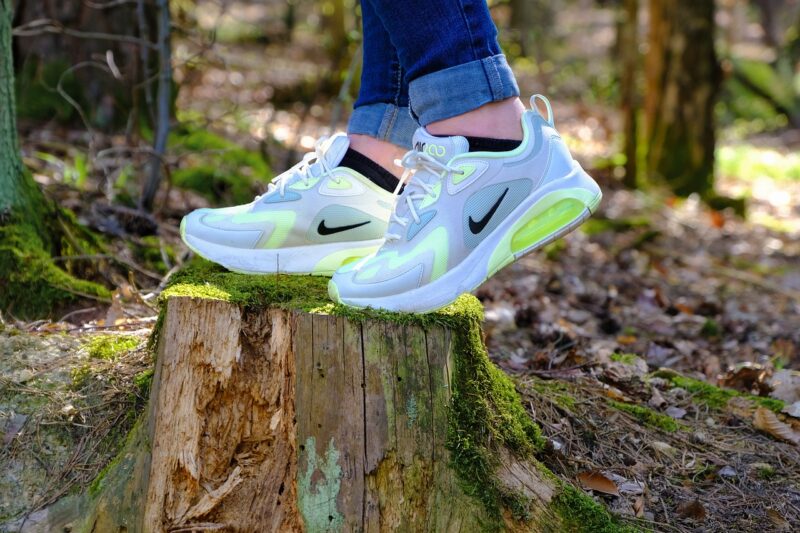
- Retro Sneakers (2000s): Sneakers that emulate the designs of previous decades have surged in popularity, showing how past styles can influence contemporary wardrobes. Vintage brands have even re-released iconic models to cater to a revival market.
- Oversized Silhouettes (2020s): The oversized look of the 90s grunge era has re-emerged as aesthetic preferences shifted towards comfort and individuality, making baggy jeans and oversized shirts highly sought after again.
This cyclical nature emphasizes the concept that nothing truly disappears in fashion—styles evolve and adapt to fit the present.
4. The Reverence for Iconic Fashion Trends
Certain fashion trends transcend time, becoming revered elements of cultural heritage. They aren’t merely about aesthetics; they evoke specific emotions, sentiments, and historical significance:
- The Little Black Dress (LBD): Made famous by designers like Coco Chanel, the LBD serves as a versatile classic in women’s fashion, representing elegance and simplicity since the 1920s.
- Denim (1950s): Initially seen as workwear, denim became a symbol of counterculture after it was embraced by youth movements. Today, it remains a quintessential part of global fashion and culture.
- The Tuxedo (19th Century): Once a symbol of formality confined to men, the tuxedo has evolved and is now celebrated for its versatility, adorning women as a fashion statement in modern society.
Such trends illustrate how fashion can embody deeper narratives and reflect societal evolution.
5. Conclusion: The Ongoing Cycle of Fashion
The fashion industry operates within an ever-evolving framework, with trends continually being rejected, revived, or revered. Understanding this cyclical nature helps us appreciate not only the aesthetic aspects of fashion but also its rich cultural significance. Fashion is more than clothing; it is a lens through which we can view societal changes, individual expression, and collective memory.
As we move forward, we must remain open-minded about creative expressions in fashion, acknowledging that what may seem outlandish today could very well become the hallmark of tomorrow’s trends. Embracing this cyclical dance of fashion can inspire new generations to personalize their wardrobes while paying homage to the roots of fashion’s rich history.
In essence, fashion trends narrate a story that weaves the past, present, and future into an ongoing tapestry of human experience.