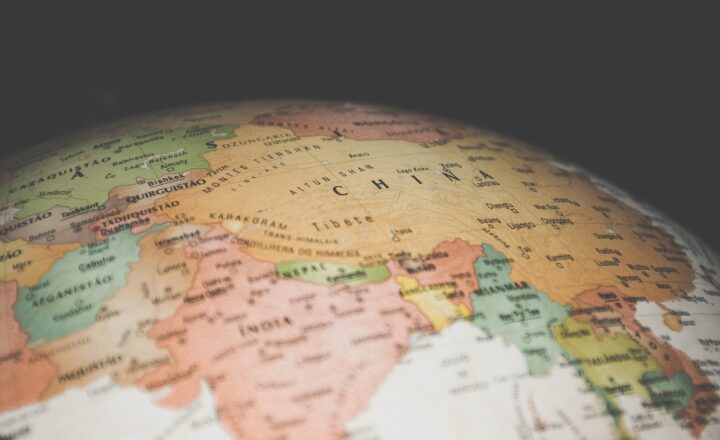
The History of Maps: How Cartography Has Shaped the Way We See the World

Emily Carter
November 16, 2024
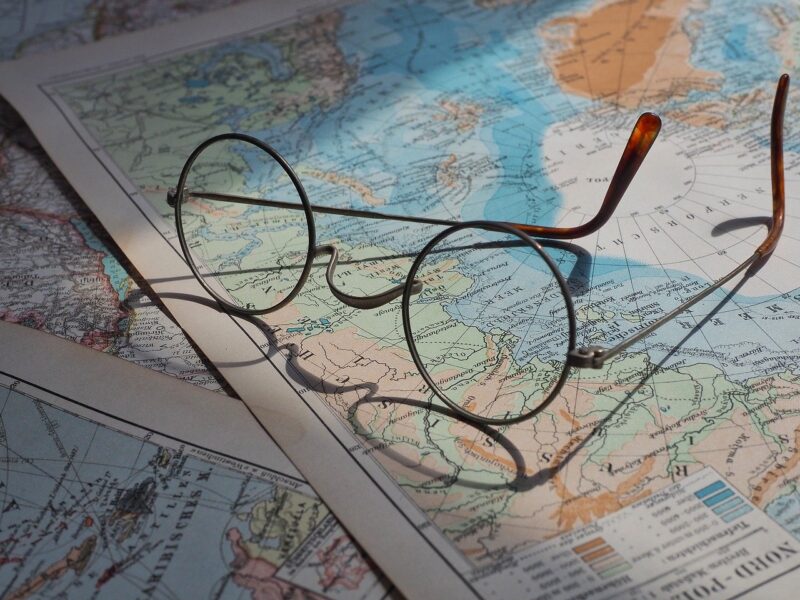
Maps have long been fundamental in shaping humanity’s understanding of geography, navigation, and the world at large. From ancient tribal territories to detailed digital representations of our planet, the evolution of maps is a fascinating journey through time. In this exploration, we’ll delve into the history of maps and cartography, uncovering how these tools have influenced our worldview and societal development.
1. The Dawn of Cartography: Ancient Beginnings
Humans have been creating maps for thousands of years, with the earliest known examples dating back to around 600 B.C. in Babylon. These early maps were not just practical tools but also artistic representations of the world.
In ancient civilizations, maps were often depicted on clay tablets. One of the most famous early maps is the Babylonia’s world map, Enuma Anu Enlil, which illustrated the known territories surrounding Babylon. This map highlighted the importance of geographic knowledge for trade, military conquest, and territorial disputes.
Additionally, the Ancient Greeks played a pivotal role in the development of cartography. Figures like Anaximander and Eratosthenes contributed significantly to the science of mapping. Eratosthenes, in particular, was the first to calculate the Earth’s circumference, demonstrating how maps could be enhanced through mathematical understanding.
2. Maps in the Middle Ages: Mappa Mundi
During the Middle Ages, the concept of mapping shifted significantly. Maps from this period often included religious and mythical elements, as the understanding of the world was intertwined with spiritual beliefs. The Mappa Mundi, a medieval European map, depicted not only geographical locations but also biblical stories and moral lessons.
Medieval maps such as the Hereford Mappa Mundi were hand-drawn and often displayed a unique view of geography that focused more on illustrating theological concepts than on geographical accuracy. Despite their inaccuracies, these maps served as cultural documents, reflecting the worldview of their creators.
The Renaissance marked a significant change in cartography, as explorers began to create more accurate maps based on direct observation and exploration. With explorers like Christopher Columbus and Vasco da Gama, the old maps were constantly updated and modified to include new territories and discoveries.
3. The Age of Exploration: Maps Take to the Sea
The Age of Exploration in the 15th and 16th centuries brought about significant advancements in cartography. The navigational needs of explorers led to the development of more precise maps that took into account global coastlines, ocean currents, and geography.
Maritime navigation techniques improved, and cartographers like Gerardus Mercator introduced the Mercator projection. Mercator’s map distorted the size of landmasses but allowed sailors to plot straight lines across oceans, revolutionizing maritime navigation.
Maps became essential tools of empire, often reflecting the power dynamics of the time. Nations used maps not just for navigation, but to claim territories, demonstrate power, and assert dominance. This practice would lead to heated disputes over borders and territory, affecting relationships between various nations and cultures.
4. The Rise of Modern Cartography: Technology and Accuracy
With the advent of technology, the field of cartography underwent a transformation. The introduction of surveying techniques and the establishment of geographic standards brought about a new level of accuracy in map-making. Tools such as the theodolite allowed cartographers to measure angles with precision, making maps more reliable than ever before.
The 19th century saw the rise of topographic maps, which provided detailed representations of terrain including elevation and land use. During this period, the use of maps expanded into new fields such as urban planning, military operations, and even social sciences.
Moreover, the invention of the printing press allowed for the mass production of maps, making them more accessible to the general public. Maps became educational tools, influencing public perception of geography, politics, and culture worldwide.
5. The Digital Revolution: Maps in the Modern Age
In the 21st century, the field of cartography has been revolutionized by digital technology. Online mapping services like Google Maps have made it possible for people to access detailed maps from their smartphones and computers. Geographic Information Systems (GIS) have also become tools not only for navigation but for spatial analysis in various fields such as urban planning, environmental science, and disaster management.
Today, cartography involves a blend of art and science, employing sophisticated software and data visualization techniques. Maps are no longer static images; they can incorporate real-time data about traffic, weather, and even social media trends, creating dynamic representations of our world.
Despite these advancements, the fundamental purpose of maps—to provide a way to navigate and understand the world—remains the same. Maps continue to shape human perspectives, influencing everything from individual travel paths to global geopolitical strategies.
6. Conclusion: Maps and Our Perception of the World
The history of maps tells a story not just about lines and colors, but about humanity’s quest to understand our environment and ourselves. As cartography continues to evolve with technology, the relationship between people and maps will remain crucial in shaping how we view the world around us.
From ancient clay tablets to interactive digital platforms, maps have proven to be vital cultural artifacts. They encapsulate not only knowledge but also the aspirations and fears of the societies that created them.
Whether navigating through cities, exploring countries, or embarking on intellectual adventures, maps are essential in guiding our journeys across both literal and metaphorical landscapes. The evolution of cartography has not only mapped our geographical space but has also charted the course of human civilization as we know it.
By embracing the rich history and transformative power of maps, we can continue to unlock the potential they hold in shaping our understanding of the world.