Why Coral Reefs Are Dying and What Can Be Done to Save Them

Sophia Chen
November 15, 2024
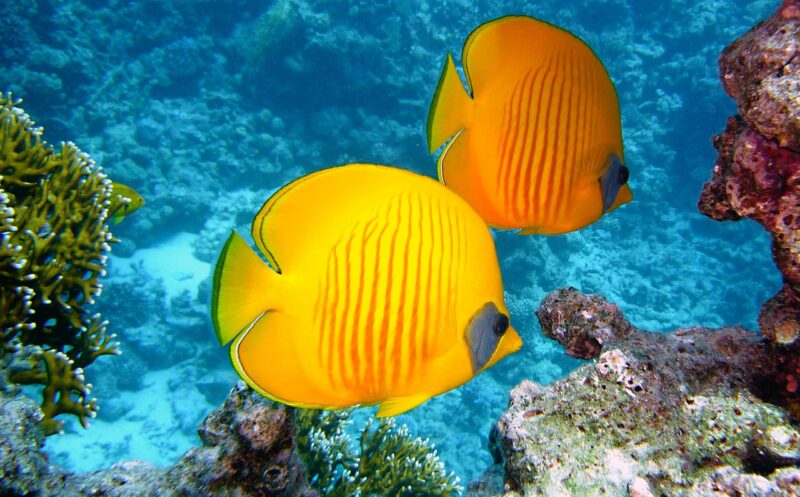
Coral reefs are often referred to as the “rainforests of the sea” due to their immense biodiversity and ecological significance. Covering only about 0.1% of the ocean’s surface, they provide a critical habitat for approximately 25% of all marine species. However, coral reefs are facing unprecedented threats from various human activities and environmental changes, leading to dramatic declines in their health and coverage globally.
1. Understanding Coral Reefs
Coral reefs are built by colonies of tiny animals called coral polyps. These polyps secrete calcium carbonate, which forms the reef structure we see. Coral reefs depend on a delicate balance between the polyps and the algae called zooxanthellae that live within their tissues. The relationship is symbiotic; the algae provide energy to the corals through photosynthesis, while the corals offer protection and nutrients to the algae.
The vibrant colors of a healthy reef come from the zooxanthellae, and the overall ecosystem thrives on the interactions between various marine species, including fish, invertebrates, and sea turtles.
2. The Major Threats to Coral Reefs
Despite their importance, coral reefs are under siege. Several key factors contribute to the global decline of coral reefs:
- Climate Change: Rising ocean temperatures are causing widespread coral bleaching, where corals expel their algal partners, leading to loss of color and vitality. If temperatures remain elevated, corals can die within weeks.
- Ocean Acidification: Increased carbon dioxide levels lead to more acidic oceans, which weakens coral skeletons, making it difficult for them to grow and thrive.
- Pollution: Runoff from agriculture, urban areas, and industrial processes introduces harmful chemicals and nutrients into the ocean, resulting in algal blooms that suffocate corals and disrupt reef ecosystems.
- Overfishing: The depletion of fish populations affects coral reefs as it disrupts the ecological balance. Essential fish species that graze on algae help keep reefs healthy; their removal can lead to algal overgrowth that smothers corals.
- Coral Mining and Destructive Fishing Practices: Unsustainable fishing techniques, such as blast fishing and cyanide fishing, directly damage coral structures and their inhabitants, while coral mining for construction purposes further exacerbates the decline.
The combination of these threats has led to alarming statistics, with over 50% of coral reefs lost in the last 30 years. If these trends continue, experts predict that coral reefs could face catastrophic deterioration by 2050.
3. The Importance of Coral Reefs
Coral reefs offer numerous benefits, both ecologically and economically:
- Biodiversity: They are home to a diverse range of species, including fish, invertebrates, and marine mammals, many of which are not found elsewhere on the planet.
- Economic Value: Coral reefs contribute billions to the global economy through tourism, fisheries, and coastal protection. They support livelihoods for millions of people worldwide, particularly in coastal communities.
- Natural Barriers: Reefs act as barriers that protect coastlines from storm surges and erosion, mitigating the impact of extreme weather events.
- Medicinal Potential: Many marine organisms contribute to medical research and drug development, providing compounds that can lead to important medical breakthroughs.
Losing coral reefs would have devastating effects not only on marine life but also on human communities that rely on these ecosystems for sustenance and protection.
4. What Can Be Done to Save Coral Reefs?
Although the threats to coral reefs are significant, there are several strategies that can be employed to protect and restore these invaluable ecosystems:
- Marine Protected Areas (MPAs): Establishing MPAs helps to conserve critical habitats and reduce human impact. By limiting activities such as fishing and tourism in designated areas, we can give coral reefs a chance to recover.
- Sustainable Fishing Practices: Encouraging sustainable fishing practices can help maintain healthy fish populations that are essential for the overall health of coral ecosystems. Initiatives against destructive fishing methods must be prioritized and enforced.
- Reducing Carbon Footprint: Mitigating climate change by reducing greenhouse gas emissions will help stabilize ocean temperatures and combat ocean acidification. Individuals, businesses, and governments must all play a role in this transition.
- Restoration Projects: Coral restoration initiatives, such as coral gardening and artificial reef building, can aid in the recovery of damaged areas. These projects involve breeding and planting corals to help rehabilitate local ecosystems.
- Educational Programs: Raising awareness about the importance of coral reefs and the threats they face is crucial. Engaging local communities and promoting eco-tourism can foster stewardship and encourage protective actions.
Taking these actions will not only benefit coral reefs but also contribute to the overall health of our oceans and the planet as a whole.
5. Individual Actions for Coral Conservation
Everyone can contribute to the preservation of coral reefs, even from landlocked areas. Here are some actions individuals can take:
- Reduce Plastic Use: Plastics often end up in oceans, where they damage coral reefs. Use reusable bags, bottles, and containers to limit waste.
- Support Sustainable Seafood Practices: Choose seafood that is sourced from sustainable fisheries to promote practices that protect marine environments.
- Educate Yourself and Others: Learn more about coral reefs and share that knowledge with friends and family to inspire action.
- Advocate for Policy Change: Support initiatives and policies that aim to protect marine life and ecosystems. Engage with local and national decision-makers to make positive changes.
Coral reefs are worth fighting for; their preservation requires collective effort from individuals, communities, and governments worldwide.
Conclusion
The plight of coral reefs is a reflection of larger environmental issues we face as a global society. The actions we take today will determine the future of these vital ecosystems. By understanding the threats they face and participating in strategic conservation efforts, we can work towards a sustainable future where coral reefs thrive once more. It’s essential not only for biodiversity but also for the innumerous benefits they provide to humanity. Let us stand together to protect coral reefs and preserve the health of our oceans for generations to come.