How Volcanoes Create New Islands in the Ocean

Mia Jensen
November 15, 2024
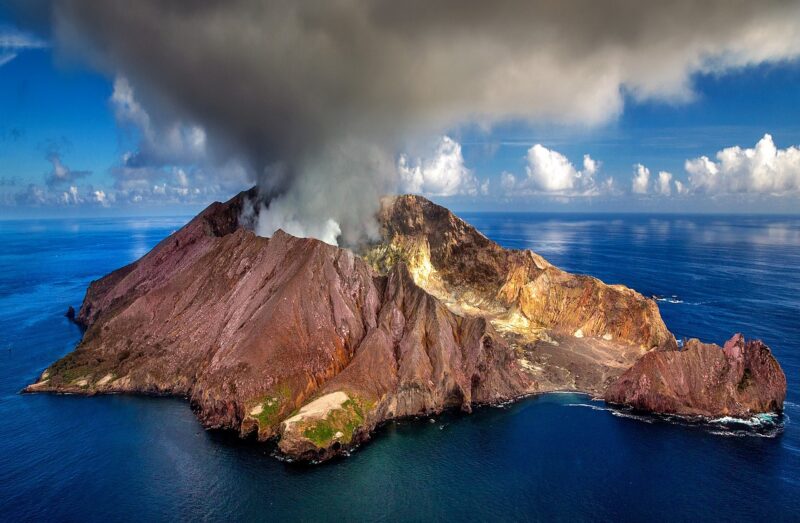
Volcanoes are nature’s powerful engineers, shaping landscapes and ecosystems through their eruptive forces. One of the most fascinating aspects of volcanic activity is its ability to create new islands in the ocean. This process, although complex and lengthy, showcases the dynamic and ever-changing nature of our planet. In this article, we will delve into the science behind how volcanoes give birth to new land, explore iconic examples around the world, and understand the significance of these geological wonders.
1. Understanding Volcanoes: The Basics
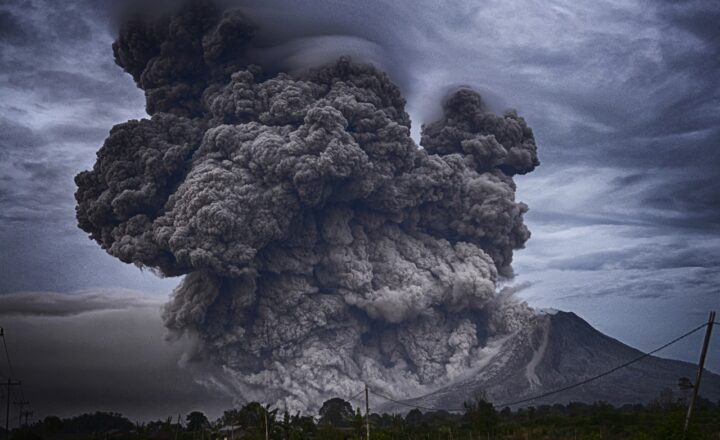
Before diving into the creation of islands, it’s essential to understand what a volcano is. A volcano is an opening in the Earth’s crust where magma from beneath the Earth rises to the surface. This magma is a molten rock that can form liquid rock or lava during a volcanic eruption. There are various types of volcanoes, including:
- Shield Volcanoes: These volcanoes have broad, gentle slopes and primarily erupt basaltic lava, which can travel long distances. An example is Mauna Loa in Hawaii.
- Stratovolcanoes: Characterized by their steep profiles, these volcanoes often have more explosive eruptions. Mount St. Helens in the USA is a notable example.
- Cinder Cone Volcanoes: These are the simplest type, consisting of volcanic ash, tephra, and small lava fragments. They usually erupt in a singular explosive event, forming a circular cone-shaped hill.
Each of these types contributes differently to the formation of new land, but we’ll focus primarily on shield volcanoes, as they are most commonly associated with the birth of new islands.
2. The Process of Island Formation
The creation of an island through volcanic activity typically involves several key stages, as illustrated below:
Step 1: Underwater Volcanism
Most volcanic islands are formed underwater at tectonic plate boundaries where the Earth’s crust is weak. When magma rises from the mantle, it encounters ocean water, which causes rapid cooling. As the magma solidifies, it forms volcanic rock. Over time, repeated volcanic eruptions contribute to the accumulation of this rock, gradually building up the island above sea level.
Step 2: Eruptions and Lava Flows
During eruptions, lava flows can spread out over vast distances, covering older rock layers and adding to the growing island’s mass. In addition to lava, volcanic ash and other materials are ejected during explosive eruptions, further contributing to the island’s formation. The combination of successive eruptions and cooling leads to the development of a more extensive landmass.
Step 3: Erosion and Landscape Development
After the initial formation and emergence, the new islands begin experiencing weathering and erosion from wind, water, and biological activity, creating varied terrains and ecosystems. These processes can lead to the development of beaches, cliffs, and other geographical features, which make the island more hospitable for life.
3. Renowned Examples of Volcanic Islands
Several well-known islands have emerged from volcanic activity. Here are some of the most notable examples:
Hawaii
The Hawaiian Islands are perhaps the most iconic volcanic islands in the world. Each island in the archipelago has been formed by volcanic activity originating from the Hawaiian hotspot in the middle of the Pacific Ocean. The Big Island, the youngest of the group, is still actively forming as Kilauea, one of the world’s most active volcanoes, continues to erupt, adding new land.
Iceland
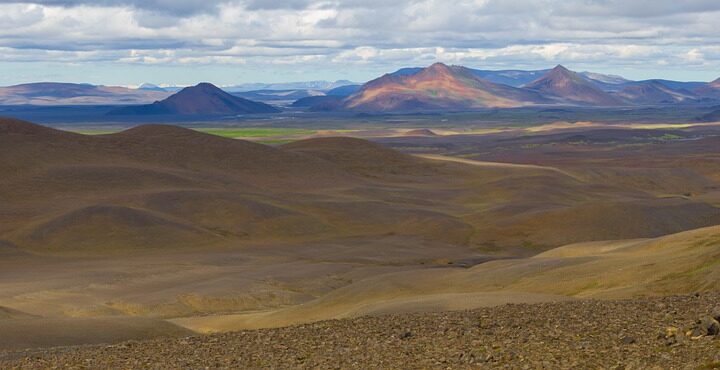
Iceland sits atop the Mid-Atlantic Ridge, where the Eurasian and North American tectonic plates meet. This location has resulted in significant volcanic activity, creating remarkable landscapes and new landmasses. The island continues to grow as eruptions occur at various volcanoes, shaping the terrain and contributing to Iceland’s unique geography.
Surtsey
Located off the southern coast of Iceland, Surtsey is a relatively recent volcanic island formed in 1963 during a volcanic eruption. Surtsey’s formation was studied extensively by scientists to understand the succession of life on a new island and how ecosystems develop from scratch. Today, the island is primarily a nature reserve.
4. The Ecological Impact of Volcanic Islands
Volcanic islands are often seen as laboratories of evolution. Their isolation from the mainland encourages unique ecosystems to develop, with endemic species found nowhere else on Earth. Here’s how volcanic islands foster biodiversity:
- Colonization by Species: Animals and plants often arrive on newly formed islands by various means, such as wind, water, or even hitching a ride on birds. These organisms may adapt to the new environment, leading to the emergence of new species over time.
- Habitat Variation: The diverse landscapes of volcanic islands, featuring beaches, cliffs, and volcanic rock, provide a range of habitats for different organisms. This fosters ecological niches that support various life forms.
- Ecosystem Interactions: The unique conditions and limited resources on volcanic islands lead to fascinating interactions between species, such as mutualism and specialization. This can drive evolutionary changes, resulting in distinct flora and fauna that can tell the story of the island’s geological history.
In summary, volcanic islands serve as critical sites for studying evolution, ecology, and the effects of environmental change.
5. The Future of Volcanic Islands
As the Earth continues to change, volcanic islands will undoubtedly play a role in shaping future geography and ecosystems. Understanding the processes that create these islands is crucial for predicting potential changes in biodiversity and habitat as climate change and human activity continue to impact our planet. Monitoring volcanic activity is vital for assessing natural hazards and safeguarding communities located near these geological wonders.
The study of how volcanoes create new islands in the ocean not only reveals the dynamic processes of Earth but also highlights the interconnectedness of geological, ecological, and human factors. As we learn more about these processes, we can better appreciate the resilience of nature and the continuous evolution of our world.
Conclusion
Volcanic islands are a testament to the powerful forces of nature and the delicate balance of ecosystems. As we continue to explore and study these islands, we deepen our understanding of the Earth’s geology and the life it sustains. The formation of islands through volcanic activity is an ongoing process that not only shapes our planet but also serves as a reminder of the resilience and adaptability of life.
As we move forward in a time of rapid environmental change, the lessons learned from these islands will be integral in preserving biodiversity and promoting sustainability in our interactions with Earth’s natural systems.