Why the Aztecs Considered Chocolate to Be the Food of the Gods

Olivia Barrett
November 15, 2024
Chocolate, as we know it today, is a beloved treat enjoyed by millions around the world. However, its remarkable journey began long before the advent of modern candies and desserts. In fact, the rich history of chocolate can be traced back to the ancient civilizations of Mesoamerica, particularly among the Aztecs, who revered it as the ‘food of the gods.’ But why did the Aztecs hold chocolate in such high esteem? This article will explore the cultural, spiritual, and economic significance of chocolate in Aztec society.
1. The Origins of Chocolate: A Sacred Beverage
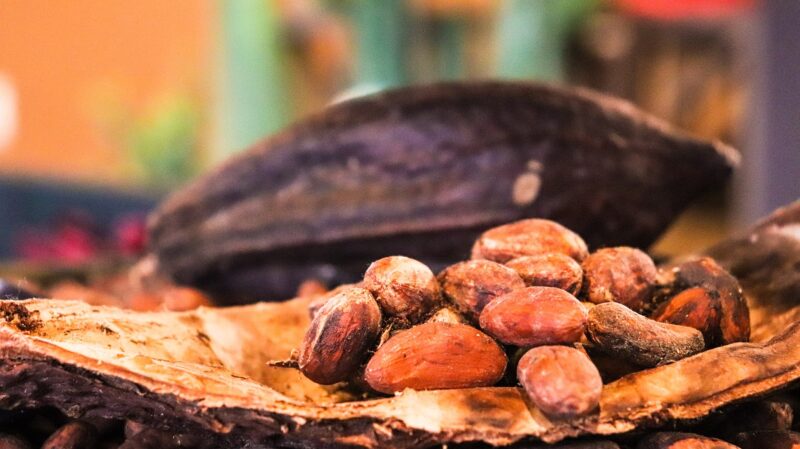
The story of chocolate starts with the cacao tree, Theobroma cacao, which means “food of the gods” in Greek. The tree is native to the tropical regions of Central and South America, and its beans have been used by various Mesoamerican cultures for thousands of years.
The Olmec civilization, one of the earliest known cultures in Mesoamerica, is believed to have first cultivated cacao around 1500 BCE. They used cacao beans to make a drink that was likely quite different from the sweet chocolate beverages we consume today. It was often flavored with spices or even consumed as a ceremonial drink in religious rituals.
By the time the Aztecs flourished (14th–16th centuries), the process of preparing cacao had become more refined. The beverage was typically bitter, prepared from ground cacao beans mixed with water and spices such as chili, vanilla, and annatto for coloring. It was often served cold and frothy, which was considered a sign of quality.
2. Chocolate’s Status in Aztec Society
For the Aztecs, chocolate was more than just a beverage; it was a symbol of wealth, power, and divinity. The ruling class held cacao in such high regard that it became a form of currency. Cacao beans were used to pay taxes, purchase goods, and settle debts. This appreciation for cacao further elevated its status within society.
The Aztecs considered chocolate a critical component of important ceremonies and rituals. It was often consumed during special events such as weddings, religious ceremonies, and feasts honoring the gods. They believed that drinking chocolate could enhance strength and vitality, making it a favored drink of warriors preparing for battle. The drink was also associated with Quetzalcoatl, the feathered serpent god who was said to have brought cacao to humanity as a divine gift.
3. Psychological and Symbolic Associations
Chocolate was deeply intertwined with Aztec mythology and spirituality. The Aztecs believed that cacao possessed transformative properties, offering a divine experience to those who consumed it. The consumption of chocolate was thought to provide strength, wisdom, and even insight into the spiritual world.
The act of preparing and serving chocolate was often ritualistic and imbued with symbolism. Only those of high status or special social importance would prepare or serve this sacred beverage, reinforcing the idea that chocolate was not merely food, but a bridge between the physical and spiritual realms.
Moreover, chocolate was often used in sacrificial offerings to the gods. The Aztecs would present cacao along with other goods to ensure a bountiful harvest or to appease deities during times of hardship.
4. The Introduction of Chocolate to Europe
The arrival of the Spanish conquistadors in the early 16th century marked a significant turning point in the history of chocolate. Hernán Cortés noted the importance of cacao in Aztec society and returned to Spain with cacao beans and the knowledge of how to prepare the drink. Initially, chocolate remained a luxury item in Europe until it was sweetened with sugar and adapted to European tastes.
The beverage quickly gained popularity among the Spanish elite and eventually spread throughout Europe, leading to the sweetened chocolate drinks we enjoy today. Yet, the cultural significance of chocolate as the ‘food of the gods’ remained deeply rooted in its Mesoamerican origins, even as it transformed in new cultural contexts.
5. The Legacy of Aztec Chocolate in Modern Culture
Today, chocolate is a global sensation, consumed and loved by people of all ages and cultures. Despite its evolution from a sacred ceremonial drink to the sweet treats we enjoy today, the legacy of the Aztecs’ reverence for cacao endures. Modern craftspeople often look to ancient recipes and methods, infusing their products with a sense of the history and cultural significance that chocolate has held for centuries.
There is also a growing awareness of ethical and sustainable chocolate production. Following the Aztec tradition of valuing cacao, many modern consumers are becoming more conscious about where their chocolate comes from and how it is produced, seeking out fair-trade and eco-friendly alternatives.
In summary, while we may indulge in chocolate treats without a second thought, the Aztecs remind us of the deep history and sacredness of this beloved food. As we savor each bite, it’s worth reflecting on the journey that chocolate has taken—from the sacred beverage of the Aztecs to the global phenomenon it is today.
Conclusion
The Aztecs considered chocolate to be the food of the gods not just for its taste, but because its production, consumption, and symbolic connotations were intertwined with their cultural practices, economy, and spirituality. As we celebrate chocolate today, we should remember its honored status in Aztec society and the respect it commanded across generations. Learning about its history allows us to appreciate not only chocolate’s delightful flavors but also its rich legacy that still resonates in our lives today.