How to Keep Your Aquarium Fish Healthy and Their Water Clean

Lucas Bennett
November 15, 2024
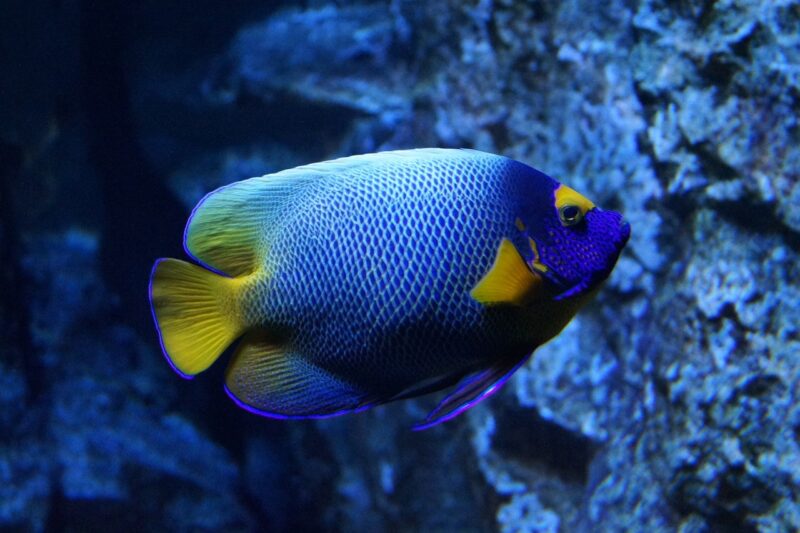
Maintaining a healthy aquarium environment is crucial for the well-being of your fish. Aquariums can provide a beautiful centerpiece in your home, but they also require diligent care and attention. From ensuring optimal water quality to providing the right diet, understanding how to manage your aquarium effectively can enhance the lives of your fish and keep your tank looking pristine.
1. Understanding Your Aquarium Ecosystem
Before diving into specific care routines, it’s vital to understand the basic ecosystem of your aquarium. Aquariums are micro-environments where water quality, temperature, and the biological balance between fish and beneficial bacteria play essential roles.
The aquarium water is not just a place for your fish but a living system that includes:
- Water Chemistry: The pH level, hardness, ammonia, nitrite, and nitrate levels must be monitored regularly. This chemistry affects fish health and plant growth.
- Beneficial Bacteria: Bacteria help break down waste products in the tank, playing a critical role in the nitrogen cycle. Ensuring this balance is fundamental for your fish’s safety.
- Filtration System: A good filtration system is essential for mechanical, chemical, and biological filtration, helping to keep the water clean and clear.
Understanding these elements prepares you to implement the necessary steps for keeping your tank clean and your fish healthy.
2. Regular Water Changes
One of the simplest and most effective ways to maintain water quality is through regular water changes. Over time, waste, uneaten food, and debris accumulate, degrading water quality and affecting fish health.
**How to Execute Water Changes:**
- Perform a 25-50% water change every 2-4 weeks, depending on the tank size, stocking levels, and filtration system.
- Use a siphon or gravel vacuum to remove debris, which helps clean the substrate while removing old water.
- Always treat tap water with a dechlorinator before adding it back to the tank.
- Monitor temperatures to ensure that the new water matches the aquarium water to prevent shock to your fish.
Maintaining a regular schedule for water changes ensures that your fish are living in a clean and stable environment.
3. Testing Water Parameters
Using water testing kits will allow you to monitor specific parameters and ensure a stable and safe environment for your fish. Important parameters include:
- pH Level: Ideally, freshwater fish thrive in a pH range of 6.5-7.5, while saltwater fish prefer 7.8-8.4. Regular testing helps maintain the appropriate level.
- Ammonia and Nitrite Levels: Both should be kept at 0 ppm (parts per million). Elevated levels can be toxic to fish and indicate an imbalance in the nitrogen cycle.
- Nitrate Levels: Nitrates should be below 40 ppm for freshwater fish. If nitrate levels are too high, more frequent water changes may be necessary.
By regularly testing your water parameters, you can make informed decisions about caring for your aquarium.
4. Proper Filtration
A reliable filtration system is the backbone of a healthy aquarium. It performs critical functions by:
- Mechanical Filtration: Removes physical debris from the water, keeping it clear.
- Biological Filtration: Provides a home for beneficial bacteria that convert harmful waste products, ensuring the nitrogen cycle works properly.
- Chemical Filtration: Utilizes activated carbon or other media to remove contaminants and impurities.
**Tips for Filtration Maintenance:**
- Clean or replace filter media regularly, but not all at once, to maintain the critical bacteria that help cycle your tank.
- Choose a filter with adequate flow rates to suit your aquarium size and inhabitants.
- Keep the filter intake clean to prevent clogs that can reduce efficiency.
A strong filtration system is key to maintaining clear, healthy water where your fish can thrive.
5. Feeding Your Fish Wisely
A proper diet is essential in ensuring the health of your fish and can also help maintain water quality. Overfeeding is a common problem that can lead to excess waste and polluted water conditions.
**Best Feeding Practices:**
- Feed small amounts that your fish can consume within 2-3 minutes, once or twice a day.
- Choose high-quality fish food that meets the specific dietary needs of your fish species.
- Consider incorporating live foods or frozen treats for variety.
- Remove any uneaten food from the tank promptly to prevent it from breakdown and polluting the water.
By following these feeding practices, you can ensure that your fish remain nourished while keeping your water clean and healthy.
6. Regular Tank Maintenance
Routine maintenance is essential for aquarium longevity. Here are some crucial tasks to perform regularly:
- Cleaning the Substrate: Vacuum and remove debris in the substrate during water changes.
- Trimming Live Plants: If you have live plants, trim any dead or decaying leaves to improve water quality and aesthetics.
- Checking Equipment: Regularly inspect heater, filter, and light to ensure they are functioning adequately.
- Observing Fish Behavior: Keep an eye on your fish for signs of stress or disease, which can indicate problems in the tank.
Regular tank maintenance helps ensure a balanced and stable environment.
7. Final Thoughts
Keeping an aquarium is as rewarding as it is intricate. By learning about your aquarium’s ecosystem, performing routine water changes, testing parameters regularly, and providing the right diet, you can create a safe, clean, and vibrant environment for your fish. Remember to stay observant, be proactive, and enjoy all the beauty and relaxation your aquarium brings to your life.
Your aquarium can be a thriving ecosystem that brings joy and tranquility, provided that you invest your care and attention into its upkeep. By diligently following these steps, your fish will not only survive but thrive in a clean and healthy environment.