Designing Ocean-Friendly Tourist Destinations to Protect Marine Life

Sophia Chen
November 15, 2024
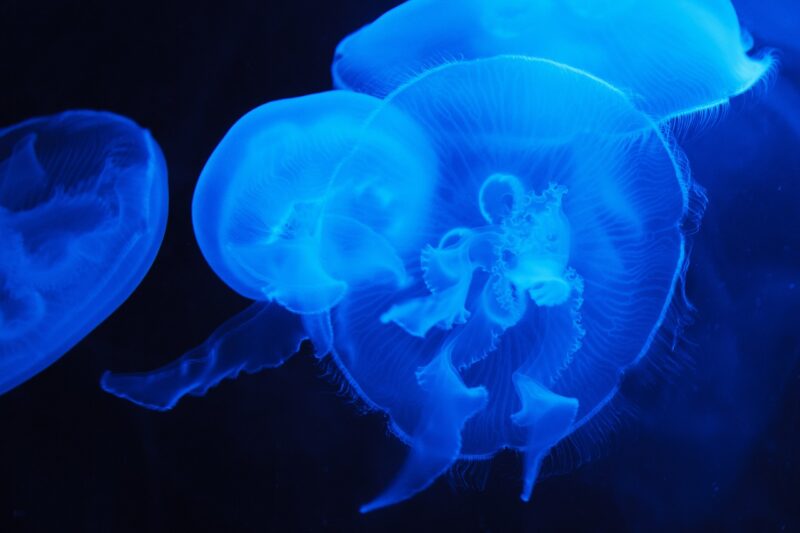
Tourism is a vital part of the global economy, contributing trillions of dollars annually. However, as travel increases, so do its environmental impacts, particularly on the world’s oceans. Given that oceans cover more than 70% of the Earth’s surface and house a vast array of life, it becomes essential to design tourist destinations that are not only attractive but also conscientious about marine conservation. In this article, we delve into how we can create ocean-friendly tourist destinations that protect marine life while providing memorable experiences for travelers.
1. The Importance of Protecting Marine Life
The oceans are vital ecosystems that provide habitat for thousands of species. From coral reefs and mangroves to open seas, marine biodiversity plays a key role in sustaining life on Earth and is essential for global climate regulation. However, tourism can put immense pressure on these ecosystems through:
- Pollution: Marine pollution from waste and oil spills can devastate local wildlife and habitats.
- Overfishing: Increased demand for seafood can lead to unsustainable fishing practices, threatening fish populations.
- Habitat loss: Coastal development often leads to destruction of important areas such as mangroves and coral reefs.
- Disruption of local ecosystems: Tourist activities, such as snorkeling or diving, can disturb marine habitats and threaten species survival.
2. Key Principles for Designing Ocean-Friendly Destinations
To create tourist destinations that are friendly to the oceans, several key principles should be implemented:
- Sustainability: Implementing sustainable practices such as waste management and energy conservation is crucial. }
- Conservation Education: Educating tourists about the marine environment and conservation initiatives helps promote responsible behavior.
- Community Involvement: Engaging local communities in tourism operations ensures they benefit from tourism while protecting their natural resources.
- Marine Protected Areas (MPAs): Establishing MPAs helps safeguard essential habitats and ensures that marine ecosystems can thrive undisturbed.
- Eco-friendly Infrastructure: The design of resorts, hotels, and restaurants should prioritize environmentally friendly materials and practices that aim to minimize ecological footprints.
3. Examples of Ocean-Friendly Practices
Across the globe, innovative tourist destinations are implementing ocean-friendly practices that prioritize marine conservation. Here are some examples:
- Waste Reduction Initiatives: Many beach resorts are adopting zero-waste policies by employing recycling initiatives and banning single-use plastic to prevent pollution.
- Coral Restoration Projects: Destinations like the Maldives and the Great Barrier Reef have launched programs aimed at restoring coral reefs, which are critical to marine biodiversity.
- Sustainable Fishing Tours: Operators are offering tours that educate tourists on sustainable fishing practices, allowing them to catch local seafood without harming populations.
- Green Certifications: Accommodations that meet high environmental standards are promoted as eco-resorts, attracting responsible travelers keen on protecting marine ecosystems.
4. Encouraging Responsible Tourism
Encouraging responsible tourism is central to designing ocean-friendly destinations. Tourists should be empowered to make sustainable choices wherever they travel. This can be accomplished through:
- Information Campaigns: Providing information on marine conservation efforts and the crucial role of marine ecosystems in supporting local economies helps foster a sense of responsibility among tourists.
- Incentivizing Sustainable Practices: Offering discounts or incentives for tourists who participate in conservation activities like beach clean-ups can motivate responsible behavior.
- Promoting Low-Impact Activities: Activities such as snorkeling, kayaking, and nature-based excursions should be highlighted over activities that harm marine life, like jet skiing.
- Fostering Community Engagement: Involving local communities in tourism planning and operations allows them to share their culture and knowledge, while actively participating in protection efforts.
5. Technology’s Role in Ocean-Friendly Tourism
With advancements in technology, there are emerging tools and solutions aimed at minimizing the environmental impact of tourism. Innovative monitoring systems can help protect marine habitats by providing live data on the health of ecosystems. Examples include:
- Drones and Aerial Surveys: Using drones for aerial surveys helps monitor health and biodiversity in ecosystems without disturbing marine life.
- Interactive Apps: These applications offer tourists information on marine life in real-time and guide them through responsible interactions.
- Blockchain for Sustainable Seafood: Blockchain technology is being used to trace seafood back to its origin, ensuring that tourists are purchasing sustainably sourced products.
6. Conclusion: A Sustainable Future for Ocean Tourism
Designing ocean-friendly tourist destinations is not merely a trend but a necessity for the health of our planet. By implementing sustainable practices, promoting environmental education, and engaging local communities, we can conserve marine ecosystems while still enjoying the allure of ocean destinations. As responsible travelers, it is our duty to ensure that our actions do not compromise this invaluable resource. This journey towards ocean-friendly tourism is not just about conservation; it’s about creating a sustainable and enjoyable experience for generations to come.